Grand Lodge of Hawaii
The Grand Lodge of Hawaii represents Freemasonry's presence in the Hawaiian Islands since the mid-19th century.
Founded: 1850
Location: Honolulu, Hawaii
Key Contribution: Pacific Island Masonry
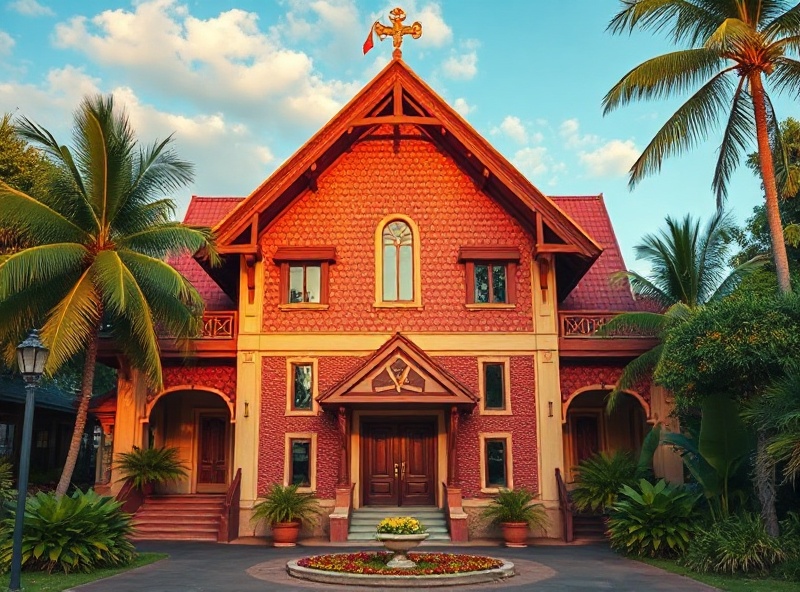
Deep History: A Journey Through Time
Explore the comprehensive history of the Grand Lodge of Hawaii across four pivotal eras
Founding and Early Vision
The Grand Lodge of Hawaii was established in 1850, during the reign of King Kamehameha III, bringing Masonic principles to the Hawaiian Islands during a period of significant cultural and political transformation. Early Hawaii Masonry attracted merchants, traders, government officials, and civic leaders from both Hawaiian and foreign backgrounds who sought to establish ethical frameworks for commerce and community development. Masonic lodges in Honolulu and other island communities served as gathering places where men could pursue mutual improvement and contribute to the development of Hawaiian society.
Growth and Expansion
Throughout the late 19th and early 20th centuries, Hawaii Masonry grew steadily as the islands developed economically and politically. Masonic lodges expanded to serve communities across the Hawaiian island chain, from Honolulu to remote island settlements. Hawaii Masons became involved in establishing schools, supporting charitable organizations, and participating in civic development. The fraternity adapted to Hawaiian cultural contexts while maintaining Masonic principles. As Hawaii moved toward statehood in 1959, Masonry remained a significant institution in island communities.
Mid-Century Development
The mid-20th century brought significant economic and strategic importance to Hawaii, particularly following World War II and the development of tourism. Hawaii Masonry adapted to rapid growth and social change while maintaining its commitment to community service. Masonic lodges continued to support education, healthcare, youth programs, and community initiatives across the islands. Hawaii Masons participated in civic leadership and contributed to institutions that advanced education and opportunity in island communities.
Modern Era and Legacy
Today, the Grand Lodge of Hawaii represents over 175 years of Masonic service to the Hawaiian Islands. With active lodges serving communities across the island chain, the Grand Lodge continues its mission of developing men of character and service. Modern Hawaii Masons support education, healthcare, youth programs, and community service while adapting to the unique geographic and cultural context of island life. The Grand Lodge preserves Hawaii's Masonic heritage while remaining a vital community institution serving the diverse populations of the Hawaiian Islands.
Historical Overview
Key milestones in the history of the Grand Lodge of Hawaii
founding
The Grand Lodge of Hawaii was established in 1850, bringing Masonry to the Pacific Islands.
development
Hawaiian Masonry became an important institution in island communities.
statehood
Masonry continued to play important roles through Hawaii's transition to statehood.
modern
Today, the Grand Lodge of Hawaii serves members across the island chain.
Masonic Rituals and Degrees
Understand the sacred rituals, degrees, and ceremonial traditions of the Grand Lodge of Hawaii
three Degrees
Hawaii confers the three basic Masonic degrees.
apprentice
First degree introduction.
fellowcraft
Second degree development.
master Mason
Third degree completion.
appendant
Appendant bodies available.
The Three Basic Degrees
Entered Apprentice
The first degree introduces the candidate to Masonic light, principles, and the foundations of the fraternity's teachings.
Fellowcraft
The second degree develops the candidate's understanding of Masonic science, geometry, and intellectual foundations.
Master Mason
The third degree represents completion of basic Masonic education and preparation for service to the fraternity.
Charitable Work and Community Service
Hawaii Masons support education, healthcare, and community development in island communities.