A Fraternal Order Dedicated to Brotherhood, Moral Development, and Charitable Service
A comprehensive educational resource covering the history, philosophy, symbols, rituals, and structure of Freemasonry.
Discover the rich heritage of Freemasonry, from its origins in medieval stonemasons' guilds to its evolution into a worldwide fraternal organization dedicated to brotherhood, self-improvement, and service to humanity.
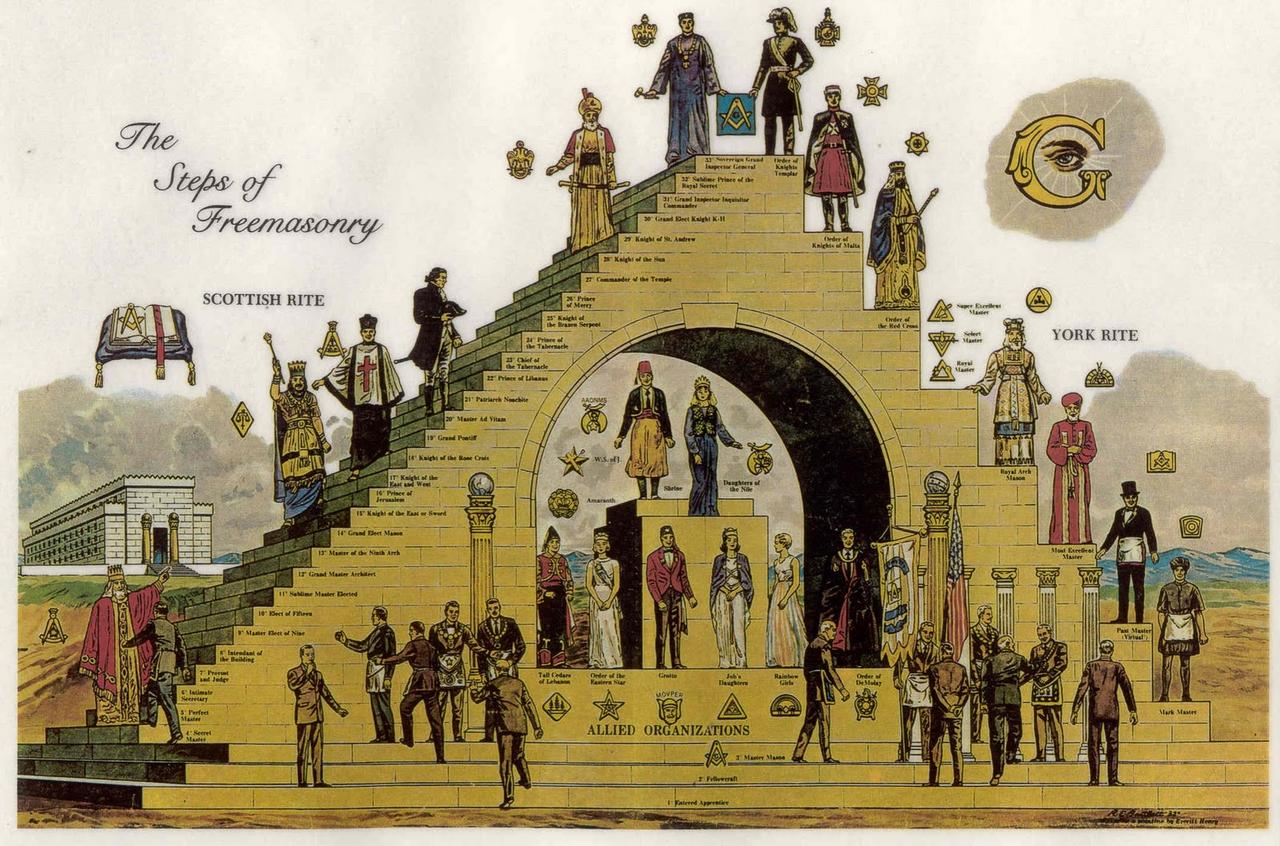
Featured Video
Learn more about Freemasonry and its place in fraternal organizations
Freemasonry and the Evolution of Fraternalism
Freemasonry exemplifies the broader history of fraternalism, demonstrating how mutual aid organizations have evolved from medieval guilds to become foundational institutions shaping society, culture, and human brotherhood across centuries.
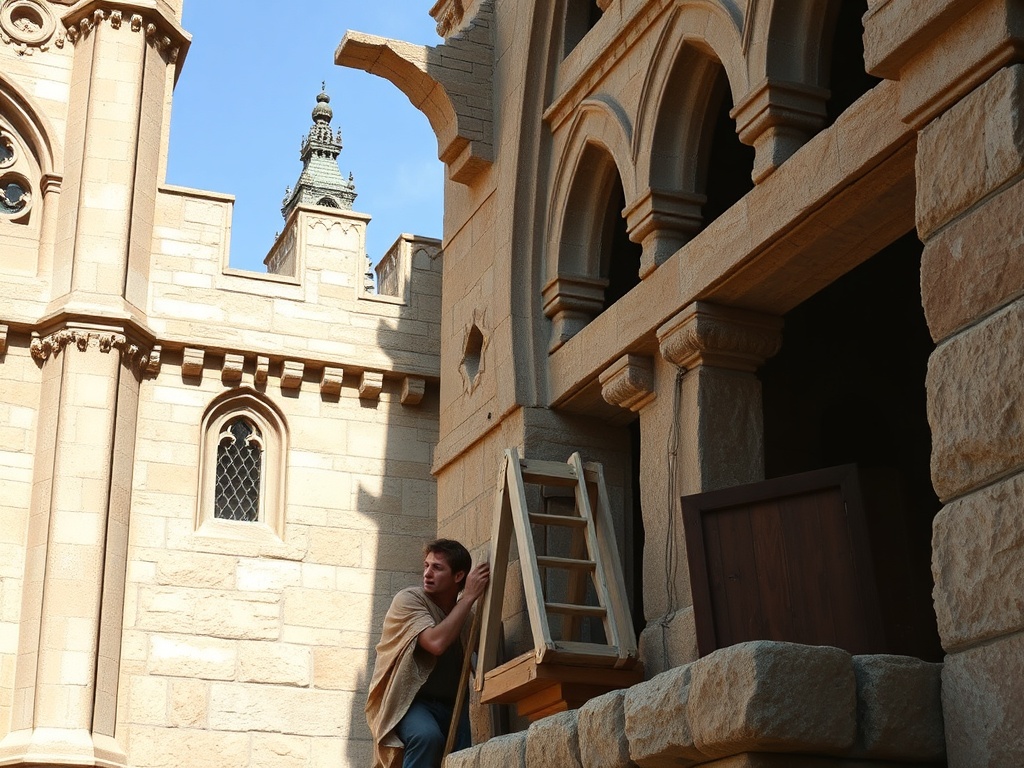
Medieval Stonemasons & Guild Formation
Freemasonry emerged from the craft guilds of medieval stonemasons in Europe, particularly in England, Scotland, and France. These organizations developed comprehensive trade secrets, formal apprenticeship systems, and ritualistic practices that would form the foundation of modern Freemasonry. Stonemasons traveled across Europe working on magnificent cathedrals, creating a culture of fellowship, knowledge-sharing, and mutual protection. Guilds established rules for membership, training standards, and initiation ceremonies. The term "free" referred to masons who were free to travel and work, earning higher wages than ordinary craftsmen due to their specialized skills.
Transition to Philosophical Order
As the need for stonemasons declined, the craft evolved dramatically. Non-working "speculative" members—scholars, philosophers, and gentlemen—joined lodges, bringing intellectual and philosophical interests. This transformation marked the shift from a craft union to a broader fraternal organization emphasizing moral development, spiritual enlightenment, and philosophical study. The symbolism of stonemasonry became metaphorical for personal spiritual building. Renaissance humanism influenced Masonic thought, incorporating ideas about universal knowledge and human perfectibility.
Grand Lodge Formation & Standardization
The establishment of the first Grand Lodge in England on June 24, 1717 marked the beginning of organized, modern Freemasonry. Four London lodges united to form a governing body, creating the template for Freemasonry worldwide. This formalized the structure, three degrees, and practices that continue today. Dr. James Anderson's Constitutions (1723) codified ritual, governance, and ethical standards. This Grand Lodge system allowed lodges to maintain autonomy while adhering to universal principles, establishing Freemasonry as a formal, structured fraternity.
Worldwide Growth & Influence
The 19th century saw rapid expansion of Freemasonry across continents through colonial networks and immigration. The organization established lodges in North America, Latin America, Australia, and Asia, becoming a truly international fraternity transcending national boundaries. Many founding fathers, statesmen, scientists, and cultural leaders became Freemasons, including U.S. Presidents, Latin American independence leaders, and European intellectuals. Freemasonry appealed to enlightenment ideals of progress, liberty, and brotherhood, attracting millions of members worldwide.
Contemporary Freemasonry & Adaptation
In the modern era, Freemasonry continues as a global fraternal organization with millions of members. It navigated two world wars, social changes, and technological advancement while maintaining its traditional values and practices. Today, Freemasonry adapts to contemporary society through extensive charitable work (hospitals, scholarships, disaster relief), educational initiatives, digital communication tools, and outreach programs. Modern Freemasonry emphasizes inclusivity, community service, and interfaith cooperation while preserving centuries-old traditions and rituals.
Rituals & Systems
Over time, additional degrees and masonic systems developed including the Scottish Rite, York Rite, and numerous appendant bodies. Each system preserves core Masonic principles while exploring different aspects of philosophy, history, and spirituality.
The Ancients vs Moderns: A Historic Division
One of Freemasonry's most significant historical episodes was the schism between the "Ancients" and the "Moderns," a division that lasted nearly a century and profoundly shaped the fraternity's development and structure.
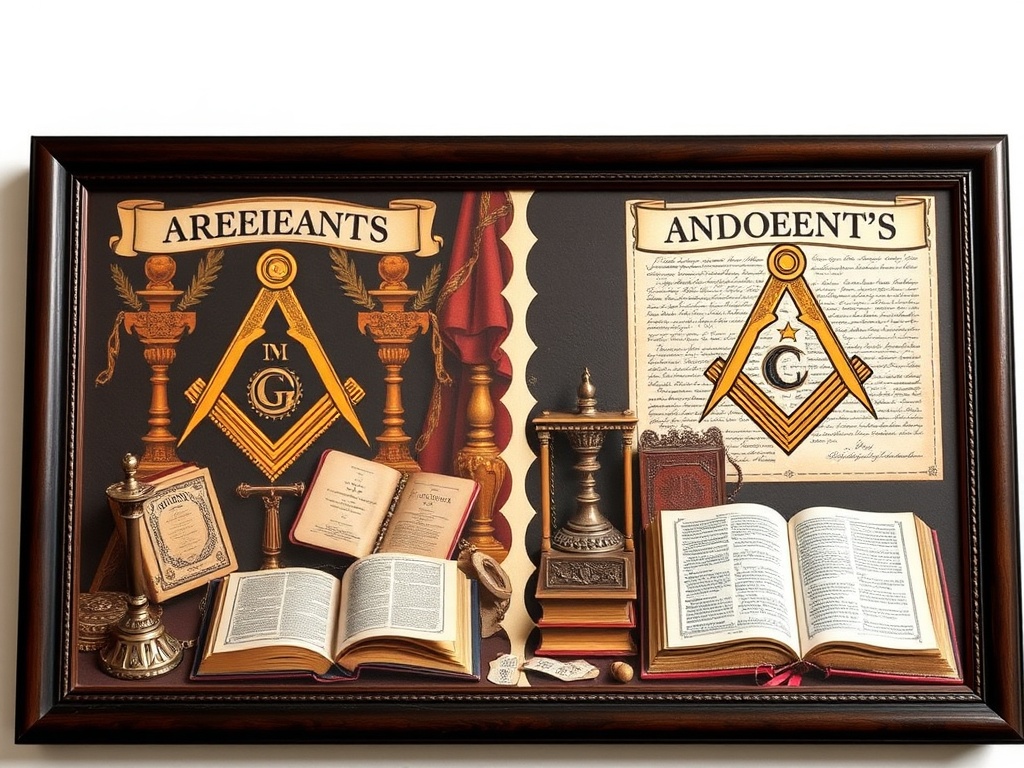
The Moderns (1717)
The "Moderns" referred to the original Grand Lodge of England established on June 24, 1717. This body represented the institutionalization and standardization of Freemasonry based on the practices of London lodges. Under the leadership of luminaries like John Theophilus Desaguliers and later Benjamin Franklin, the Moderns adopted what they considered "enlightened" approaches to ritual and organization.
The Moderns emphasized intellectual development, rational philosophy, and systematic governance. They published the Constitutions of the Freemasons (1723), establishing codified rules, three degrees of initiation, and a formal hierarchical structure. Their approach appealed to educated gentlemen and naturally attracted scientists, philosophers, and thinkers of the Enlightenment era.
The Ancients (1751)
The "Ancients" emerged in 1751 as a rival Grand Lodge, primarily representing Irish and Scottish Masons who felt excluded or offended by the Moderns' innovations. Led by figures like Laurence Dermott, whose manuscript "Ahiman Rezon" became their governing document, the Ancients claimed to preserve the "true" and "ancient" practices of Freemasonry as originally practiced by operative masons.
The Ancients championed more elaborate, emotional, and ceremonial approaches to the degrees. They incorporated additional degrees, emphasized mystical and spiritual dimensions, and maintained stricter ritualistic practices. Their philosophy appealed to those who viewed the Moderns as having stripped away essential spiritual and mystical elements in pursuit of rational enlightenment.
Key Differences Between Ancients and Moderns
Moderns Philosophy
- • Emphasized rational Enlightenment principles
- • Three degrees with simplified rituals
- • Focused on moral and intellectual development
- • Adapted practices to suit contemporary society
- • Attracted scientists, thinkers, and elite social classes
Ancients Philosophy
- • Stressed preservation of ancient practices
- • Included additional degrees and elaborate rituals
- • Emphasized spiritual and mystical dimensions
- • Maintained emotional and ceremonial richness
- • Appealed to working men and merchants
The Schism (1751-1813)
For nearly 62 years, the Ancients and Moderns operated as separate, competing Grand Lodges in England. Both claimed legitimacy and authority. This division created significant confusion and competition, with lodges sometimes maintaining membership in both organizations. The Ancients grew rapidly, particularly among Irish and Scottish immigrants, eventually rivaling the Moderns in membership and influence by the late 18th century.
The division extended beyond England to the American colonies and other lands, where both groups established lodges. This created parallel Masonic structures and occasionally heated disputes over jurisdictional authority and ritualistic legitimacy.
The Union (1813)
In 1813, the Ancients and Moderns agreed to unite, forming the United Grand Lodge of England. This reunion was facilitated by influential Masons on both sides who recognized the fraternity was weakened by division. The unification process involved significant negotiation regarding ritual standardization, degree structure, and governance.
The reunion ultimately incorporated elements from both traditions. The Ancients' emphasis on additional degrees and spiritual dimensions influenced the development of appendant bodies like the Scottish Rite and York Rite, which preserved and expanded the elaborate ritualistic systems the Ancients had championed. This synthesis created the diverse, multifaceted Freemasonry we know today.
Legacy of the Ancients vs Moderns
The Ancients vs Moderns division demonstrates that Freemasonry has always been a dynamic fraternity, with internal debates about how best to preserve tradition while adapting to contemporary circumstances. The resolution of this schism established important principles: that unity could be achieved through mutual respect, compromise, and recognition that different approaches can coexist within a broader fraternal framework.
Today's Freemasonry incorporates lessons from both traditions. The intellectual and philosophical depth valued by the Moderns, combined with the spiritual richness and elaborate ritualism championed by the Ancients, created a fraternity capable of addressing diverse human needs—intellectual growth, spiritual development, moral refinement, and community service. The 1813 Union ultimately strengthened Freemasonry by proving that apparently irreconcilable differences could be transcended through dialogue and a shared commitment to core fraternal principles.
The History of Anti-Masonry: Opposition and Cultural Conflict
Throughout its history, Freemasonry has faced significant opposition and criticism. Understanding the Anti-Masonic movement provides important context for comprehending broader social, religious, and political debates that have shaped modern society.
Origins: The Morgan Incident (1826)
The modern Anti-Masonic movement emerged dramatically in 1826 with the disappearance of William Morgan, a former Mason from Batavia, New York, who had written a book exposing Masonic secrets and rituals. Morgan's abduction and presumed murder by Masons attempting to suppress publication of his manuscript ignited widespread public outrage. The incident revealed that Masonic oaths of secrecy and fraternal loyalty appeared to supersede civil law and public justice.
The response was extraordinary. When local authorities appeared reluctant to prosecute Masons involved in the cover-up, public confidence in the justice system collapsed. This sparked a genuine grassroots movement challenging Masonic privilege and secret societies' influence on civic institutions. The Morgan case became a pivotal moment, transforming isolated critiques into a coherent political and social movement.
Religious Opposition
Christian churches, particularly evangelical Protestant denominations, condemned Freemasonry as inherently un-Christian. Critics argued that Masonic oaths elevated human bonds above religious faith, that religious pluralism within lodges contradicted Christian exclusivity, and that occult and mystical elements conflicted with Christian theology.
The Catholic Church formally opposed Freemasonry, viewing it as promoting rationalism incompatible with religious authority. Many Protestant denominations similarly condemned Masonic secrecy, perceived connections to non-Christian traditions, and the subordination of faith to fraternity.
Political and Legal Concerns
Anti-Masons argued that secret oaths created parallel loyalties incompatible with democratic citizenship. If a Mason prioritized fraternal duty over civic obligation, could justice systems function fairly? Anti-Masonic critics pointed to apparent favoritism in courts where judges, lawyers, and jurors were Masons.
The movement's concern was fundamentally about transparency and accountability in public institutions. Secret societies with binding oaths appeared to undermine the principle that all citizens must operate under the same rules and laws.
The Anti-Masonic Political Movement (1820s-1830s)
Anti-Masonry evolved from a social movement into a political force. In 1828, Anti-Masons organized as a distinct political party, making it one of America's first "single-issue" parties. The Anti-Masonic Party nominated candidates opposing Masonic privilege and secret societies' influence on government. Though short-lived (merging into the Whig Party by the 1830s), the Anti-Masonic Party demonstrated unprecedented grassroots political organization, pioneering tactics like the national nominating convention.
The movement's appeal transcended elite circles. Working people, religious congregants, and those skeptical of privileged institutions embraced Anti-Masonry as defending democratic principles against secretive elitism. The Morgan incident seemed to prove that Masonic oaths could supersede justice, that members would cover for each other regardless of wrongdoing.
By the 1830s-1840s, Anti-Masonic fervor peaked across the United States, particularly in the Northeast. Public lectures, newspapers, and books exposed Masonic practices and questioned whether secret societies could exist in a democratic republic without threatening civic integrity.
Secrecy & Transparency
Critics argued that secret oaths and hidden rituals were fundamentally incompatible with democratic governance. How could citizens trust institutions operating in secrecy?
Dual Allegiances
Anti-Masons feared that Masonic oaths created loyalties superseding civic duty. Could a Mason judge fairly rule against a brother? Would fraternal duty override justice?
Elitism & Exclusivity
The movement viewed Freemasonry as an exclusive club providing unfair advantages to members in business, law, and government while excluding the general public.
International Anti-Masonry
Anti-Masonic sentiment was not uniquely American. In Europe, Catholic nations and authoritarian regimes viewed Freemasonry with suspicion. The Catholic Church's opposition to Freemasonry persisted through the 19th and 20th centuries. In Nazi Germany and fascist Italy, regimes suppressed Freemasonry as incompatible with totalitarian ideology and as a source of alternative loyalty.
Ironically, 20th-century totalitarian regimes' persecution of Freemasonry revealed the movement's genuine commitment to liberty and human dignity. Despite mutual opposition, Freemasonry and fascism proved fundamentally incompatible—secret societies emphasizing individual autonomy and critical thinking threatened authoritarian control.
Modern Conspiracy Theories
From the 19th century to today, Freemasonry has been the subject of conspiracy theories attributing to Masons control over governments, banks, media, and world events. These conspiracy narratives often reflected deeper anxieties about modernity, institutional change, and loss of social status among certain populations. In some cases, anti-Masonic rhetoric has been weaponized against religious minorities and marginalized groups.
Scholars note that conspiracy theories about Freemasonry often reveal more about the concerns and prejudices of the conspiracy theorists than about Masonry itself. While legitimate debates exist about institutional transparency and accountability, evidence-based investigation has consistently demonstrated that Freemasonry, while indeed fraternal and selective in membership, operates within legal and ethical boundaries and lacks the world-controlling power attributed to it in conspiracy theories.
Freemasonry's Response to Anti-Masonry
Freemasonry's response to anti-Masonic criticism evolved over time. In the 19th century, some lodges became more defensive and secretive. However, modern Freemasonry has increasingly embraced transparency and public education. Today, Masonic Grand Lodges publish educational materials about Freemasonry's history, principles, and charitable work.
Many lodges now offer public open houses, publish histories, and engage in community outreach to address misconceptions. While maintaining ritual secrecy (a core element of Masonic identity), Freemasonry has become more transparent about its governance, charitable activities, and philosophical principles.
This tension between secrecy and transparency remains relevant. Freemasonry's claim that ritual secrecy is essential to initiatic experience coexists with modern demands for institutional accountability. Lodges balance preserving traditions with meeting contemporary expectations for organizational transparency—an ongoing negotiation reflecting broader societal discussions about privacy, openness, and trust in institutions.
Interested in Learning More?
Explore a comprehensive deep history of the Anti-Masonic movement, including the dramatic Morgan Incident, the formation of America's first single-issue political party, and the movement's lasting impact on democracy and institutional transparency.
Read the Full Anti-Masonry HistoryCore Concepts
Understanding the fundamental principles and structure of Freemasonry is essential to appreciating the fraternity's depth and purpose. These core concepts form the foundation of Masonic practice and philosophy.
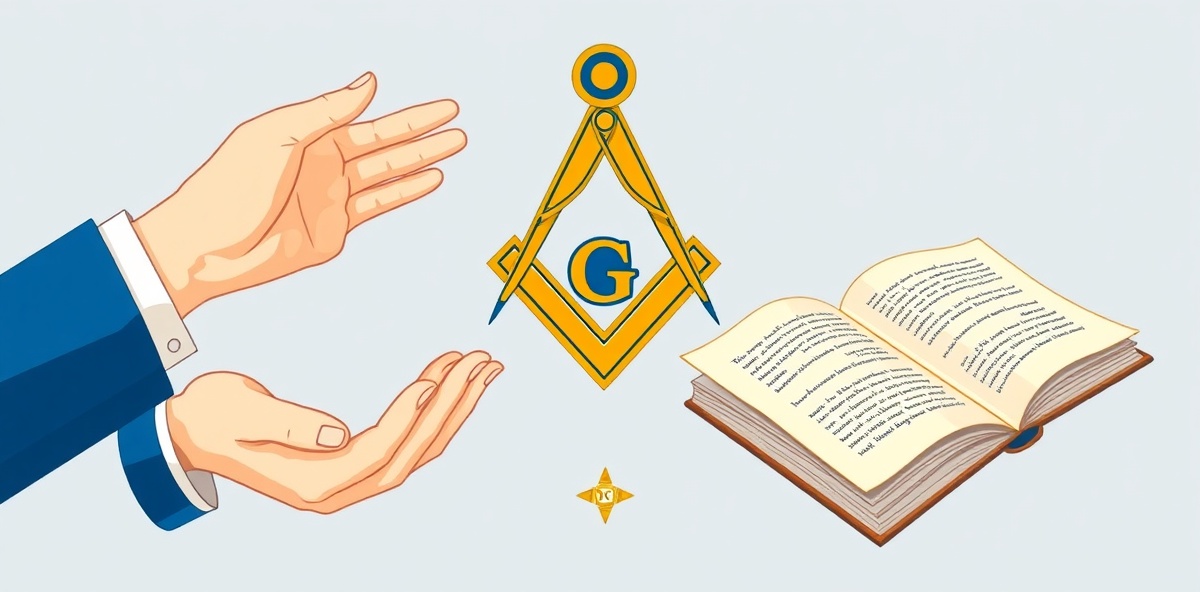
What is Freemasonry?
Freemasonry is a fraternal organization that promotes fellowship, mutual support, and personal development among its members. It combines ritual traditions, philosophical teachings, and community involvement to create a meaningful brotherhood experience.
At its core, Freemasonry teaches that through self-improvement, moral development, and service to others, individuals can achieve enlightenment and contribute meaningfully to society. Members pledge to uphold principles of integrity, honor, and brotherhood throughout their lives.
Lodges
Lodges are the local chapters of Freemasonry where members gather. Each lodge operates autonomously within its jurisdiction but follows universal principles and practices. Lodges host regular meetings, rituals, and social events for their members.
Every lodge has a democratic structure with elected officers responsible for governance and administration. Monthly meetings typically include ritual work, educational programs, and fellowship activities. Lodges vary in size from small groups to large organizations with hundreds of members.
Ritual and Allegory
Rituals and allegorical teachings are central to Freemasonry. These ceremonies use symbolism rooted in stonemasonry to convey lessons about virtue, moral development, and spiritual growth. Each degree has its own symbolic narrative.
The rituals are not dramatic performances but rather participatory experiences where candidates learn through direct engagement with allegorical stories. These rituals have been refined over centuries while maintaining their essential messages about personal transformation and enlightenment.
Values and Principles
Freemasonry is built on fundamental values including integrity, charity, brotherhood, and mutual aid. These principles guide Masonic practice and influence how members interact with each other and society.
Members are expected to uphold high ethical standards, support fellow members in times of need, and contribute to the welfare of their communities. These principles transcend religious and cultural boundaries, making Freemasonry accessible to people of diverse backgrounds.
Lodge Officers and Structure
Every Masonic lodge operates under a carefully structured leadership system with elected officers who guide the lodge's activities, preserve its sacred traditions, and serve the membership with dedication and integrity. The lodge hierarchy reflects principles of order, progression, and shared responsibility, with each officer position carrying specific ceremonial duties, educational responsibilities, and administrative functions. From the Worshipful Master who leads the lodge to the Junior Warden who guides new members, each officer plays a vital role in maintaining Masonic standards, facilitating member development, and ensuring that the fraternal bonds and ritual traditions that define Freemasonry are passed on to future generations with reverence and authenticity.
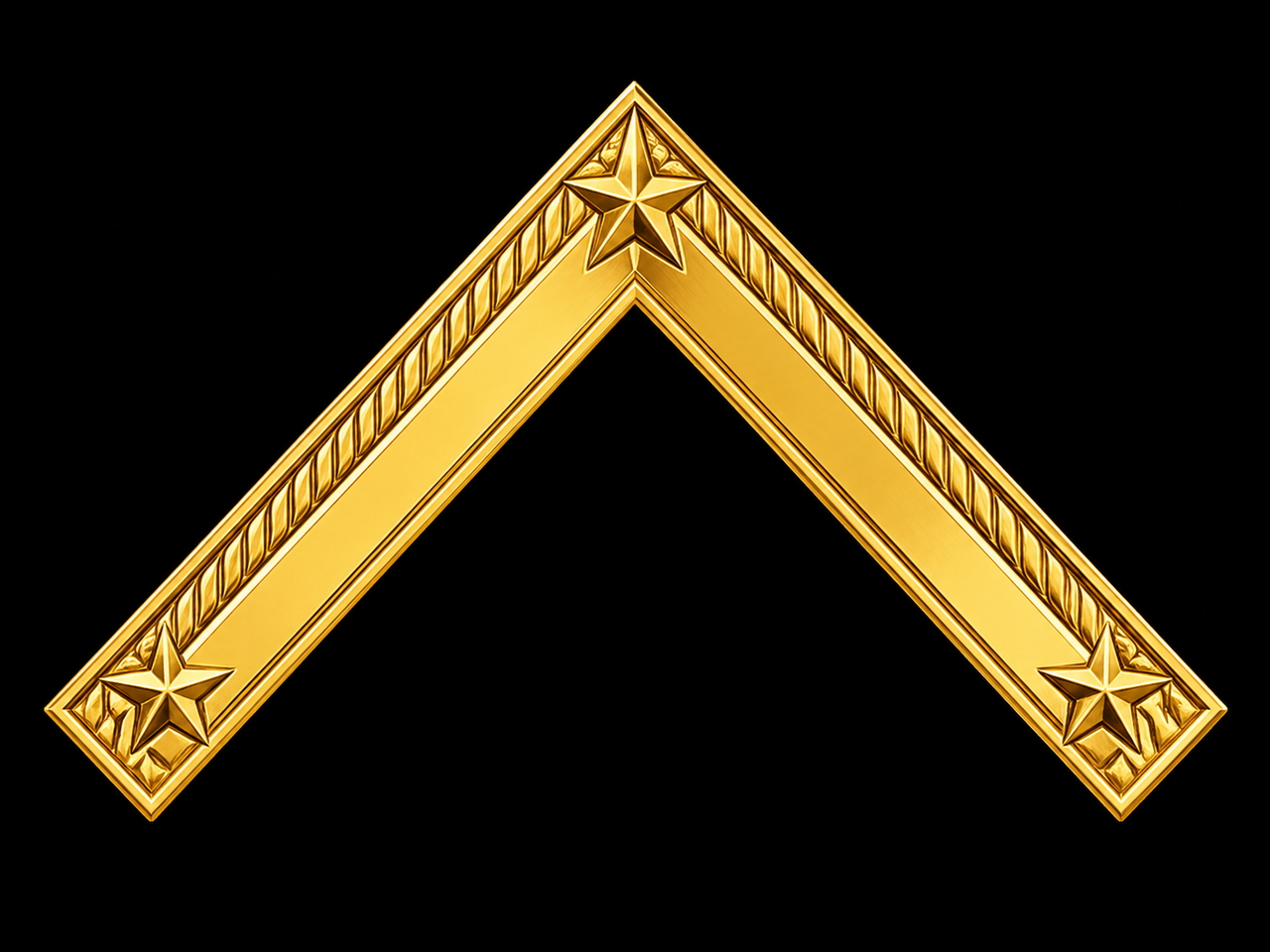
Worshipful Master
Chief Executive Officer of the Lodge
The Worshipful Master is the principal officer and leader of the lodge. Elected annually by the membership, he presides over all lodge meetings, ceremonies, and activities. He is responsible for ensuring that all Masonic work is conducted according to the landmarks and ancient usages of the order.
The Worshipful Master embodies the principles of leadership, wisdom, and service. He represents the authority of the lodge and serves as the executive head responsible for day-to-day operations, administrative decisions, and the overall well-being of the lodge.
Learn More →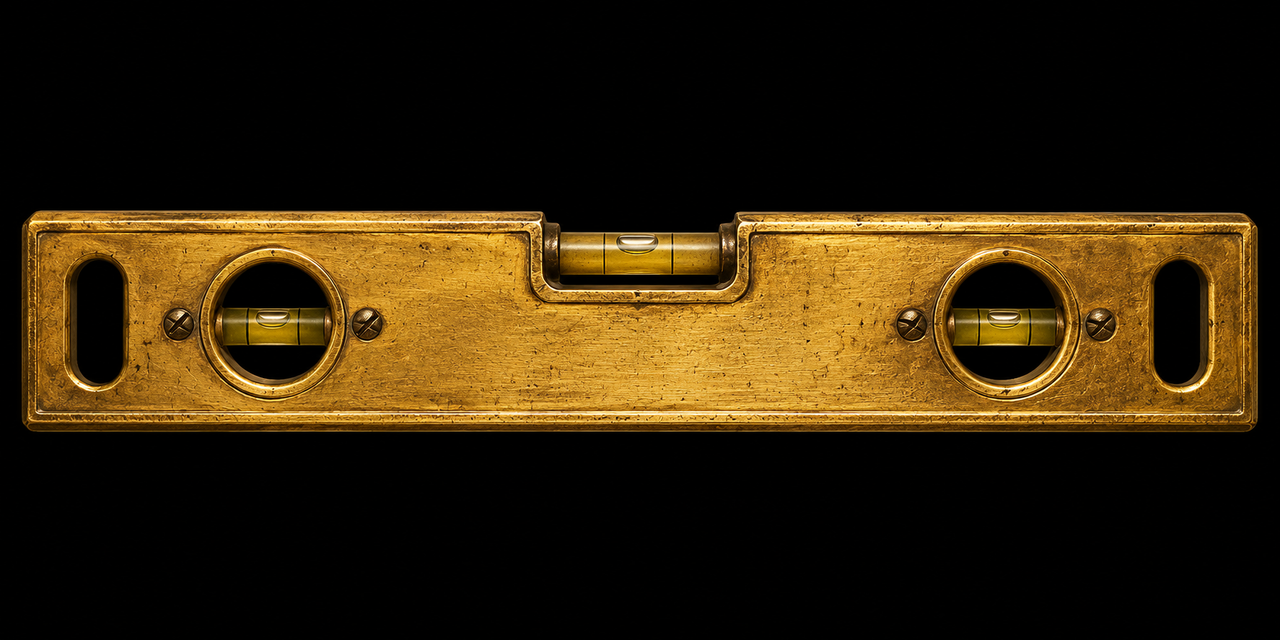
Senior Warden
Deputy Master and First Officer
The Senior Warden is the first officer of the lodge and serves as the principal deputy to the Worshipful Master. He is elected annually and assumes the Master's duties in his absence. The Senior Warden traditionally presides over the second section of lodge meetings and assists in conferring the Fellow Craft degree.
The Senior Warden plays a crucial role in preparing candidates for advancement and ensures the continuity of Masonic work. Many lodges regard the Senior Warden position as the natural stepping stone to becoming Worshipful Master.
Learn More →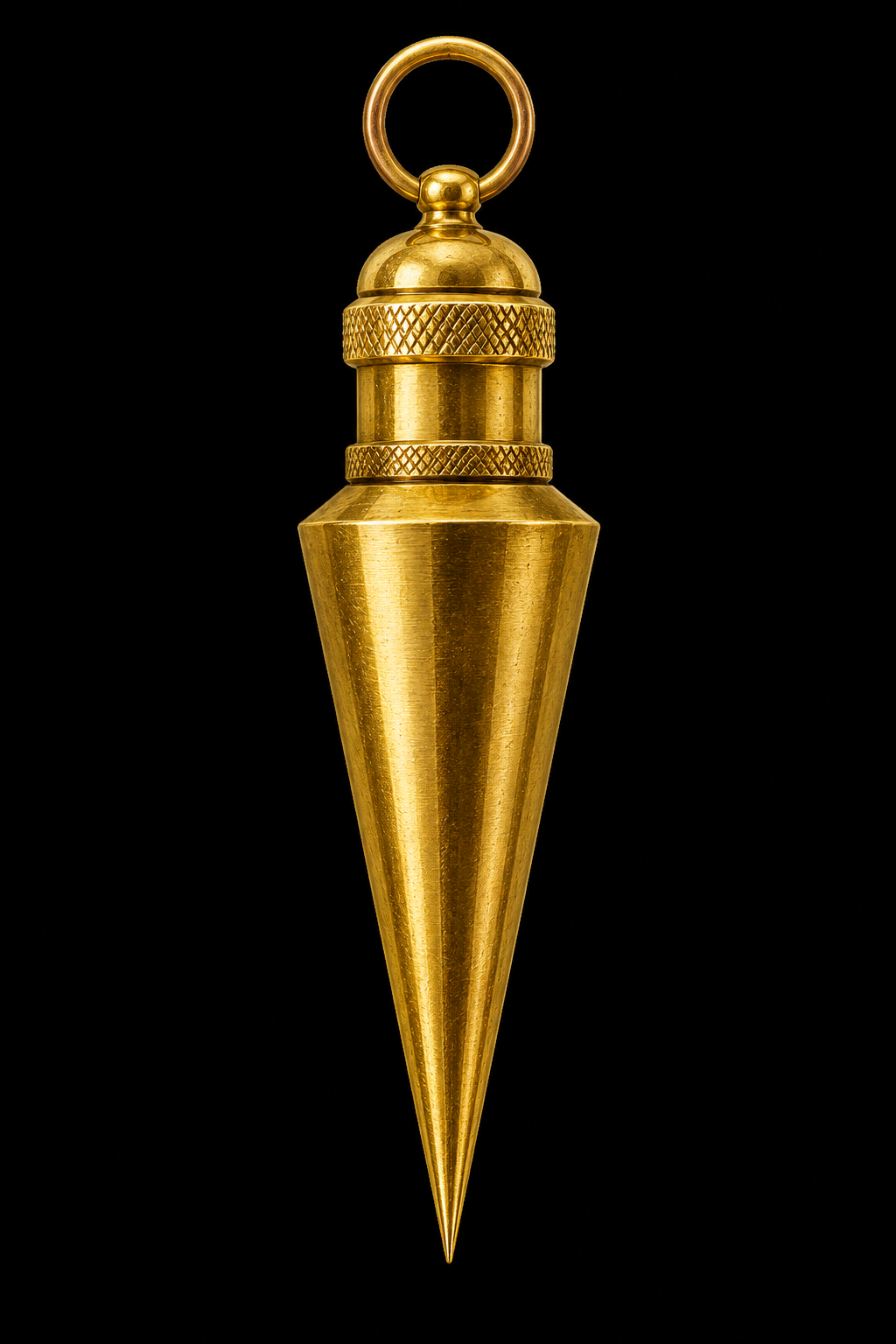
Junior Warden
Second Officer and Treasurer
The Junior Warden is the second officer of the lodge and serves as the principal assistant to the Senior Warden. Elected annually, he assumes the Senior Warden's duties in his absence. The Junior Warden presides over the third section of meetings and is responsible for conferring the Entered Apprentice degree.
The Junior Warden has particular responsibility for the first-degree candidates and serves as their initial guide into Masonic teachings. This office represents the beginning of leadership development within the Masonic hierarchy.
Learn More →
Senior Master of Ceremonies
Principal Ceremonial Officer
The Senior Master of Ceremonies orchestrates and oversees all ceremonial work of the lodge. He works closely with the Worshipful Master and coordinates with the Junior Master of Ceremonies to ensure that all ceremonies are conducted with precision, reverence, and spiritual meaning.
This officer maintains the highest standards of ceremonial excellence and serves as a mentor and guide to officers involved in ritual work, ensuring that the sacred character of Masonic ceremonies is preserved and enhanced.
Learn More →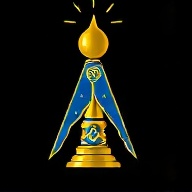
Junior Master of Ceremonies
Ceremonial Conductor
The Junior Master of Ceremonies directs all ceremonial processions and manages the operational execution of ceremonies within the lodge. Working under the supervision of the Senior Master of Ceremonies, he ensures that all participants understand their roles and conduct themselves with dignity and reverence.
This officer possesses extensive knowledge of ritual procedure and serves as a skilled guide, ensuring that ceremonies flow smoothly and maintain their sacred and meaningful character for all participants.
Learn More →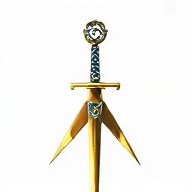
Tyler
Guardian of the Lodge Entrance
The Tyler stands as the protector and guardian of the lodge entrance, controlling access and ensuring that only qualified members are admitted. Armed with a sword, the Tyler represents the principle that Masonic work is sacred and must be protected from profane interruption.
This ancient and honored position embodies the virtues of vigilance, dedication, and faithful service, reminding all members of the boundary between the profane world and the sacred space of Masonic fellowship.
Learn More →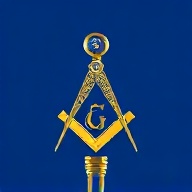
Pursuivant
Ceremonial Officer and Usher
The Pursuivant conducts members and candidates through lodge ceremonies with grace and dignity, managing processions and ensuring that all ceremonial work flows smoothly. This skilled officer guides others through meaningful experiences with courtesy and reverence.
The Pursuivant combines knowledge of ritual procedure with genuine hospitality, creating a welcoming environment while maintaining the highest standards of ceremonial excellence and decorum.
Learn More →The Officer Line and Progression
In Freemasonry, there is a structured progression through officer positions known as "the line." This system ensures that experienced members mentor newer leaders and that lodges maintain consistent quality and tradition. A typical progression follows this pattern:
Standard Officer Line
Entered Apprentice → Fellowcraft → Master Mason
Three degrees of initiation
Steward → Deacon → Chaplain
Support offices building leadership experience
Junior Warden
Second officer, presides over first degree
Senior Warden
First officer, deputy to the Master
Worshipful Master
Chief executive officer of the lodge
Philosophy Behind the System
The officer line exists to develop capable leaders and ensure continuity of Masonic traditions. By progressing through progressively responsible positions, officers gain experience, deepen their understanding of Masonic teachings, and learn to lead with wisdom and humility.
This system reflects the Masonic principle that leadership is a sacred trust earned through dedication, merit, and demonstrated commitment to the craft. The progression ensures that those who lead the lodge have been thoroughly prepared and understand the weight of their responsibilities.
Many officers continue their advancement after serving as Worshipful Master, becoming involved in Grand Lodge governance, district leadership, or other regional Masonic organizations. This extended progression helps develop the broader Masonic leadership necessary to sustain the fraternity.
Supporting Officers
Beyond the three principal officers, every lodge includes several supporting officers who contribute essential functions:
Senior Master of Ceremonies
Orchestrates and oversees all ceremonial work of the lodge
Junior Master of Ceremonies
Directs ceremonial processions and manages ceremony execution
Tyler
Guards the lodge entrance and ensures only qualified members are admitted
Pursuivant
Conducts members through ceremonies with grace and manages processions
Secretary
Maintains lodge records and correspondence
Treasurer
Manages lodge finances and accounts
Senior Deacon
Conducts candidates through degree work
Junior Deacon
Assists with candidate preparation
Chaplain
Provides spiritual guidance and opening/closing prayers
The Importance of Officer Service
Serving as a lodge officer is considered a high honor and a significant responsibility. Officers dedicate considerable time and effort to ensuring that the lodge operates smoothly and that Masonic traditions are preserved and transmitted to new generations.
Most Masonic lodges hold elections annually, ensuring that fresh energy and perspectives continually flow into leadership. This democratic approach, combined with the structured officer line, creates a system that honors both tradition and the wisdom of collective decision-making. Many Freemasons view their service in lodge offices as one of their most meaningful Masonic experiences.
The Three Degrees of Freemasonry
Freemasonry is structured around three degrees of initiation and instruction. Each degree represents a stage of spiritual and moral development, using ancient symbols and allegorical teachings to guide candidates toward enlightenment and personal transformation.
Entered Apprentice
The Entered Apprentice degree is the first step in Masonic initiation. The candidate enters as a "rough stone"—unpolished and unfinished—and begins the journey toward enlightenment. This degree focuses on the fundamental principles of Freemasonry: brotherly love, relief, and truth.
The ritual work of the Entered Apprentice degree teaches the candidate about the structure of the lodge, the basic symbols of Freemasonry, and the ethical foundations of the craft. The candidate learns about virtue, duty, and the importance of self-improvement. This degree emphasizes humility and the recognition that the candidate is at the beginning of a profound journey.
Key Themes
- • Introduction and initiation
- • The rough ashlar (unpolished stone)
- • Basic ethical principles
- • Brotherhood and fellowship
- • The search for light/truth
Learn More →
Fellowcraft
The Fellowcraft degree represents progress and advancement in Masonic knowledge and practice. Having proven himself in the first degree, the candidate now advances to a higher level of understanding. This degree emphasizes intellectual development, the sciences, and the liberal arts.
The Fellowcraft ritual introduces the candidate to the five orders of architecture and explores the relationship between geometry, mathematics, and spiritual truth. The candidate is reminded that progress requires effort and dedication. This degree represents the working stage of the Mason, where he becomes actively engaged in his own moral and spiritual development.
Key Themes
- • Progress and advancement
- • Intellectual development
- • The seven liberal arts
- • Sacred geometry and proportion
- • The working Mason
Learn More →
Master Mason
The Master Mason degree is the third and final degree of the Craft. Upon completing this degree, the candidate is recognized as a full member of Freemasonry with all the privileges and responsibilities that accompany this status. This degree represents the culmination of Masonic instruction and the achievement of the perfect ashlar.
The Master Mason ritual is the most profound and spiritually significant of the three degrees. It teaches lessons of mortality, the transcendence of spiritual truth, and the eternal nature of virtue. The candidate emerges as a complete Mason, prepared to contribute fully to the lodge and to society.
Key Themes
- • Completion and perfection
- • Mortality and transcendence
- • The perfect ashlar (polished stone)
- • Full fraternal membership
- • Eternal spiritual truths
Learn More →
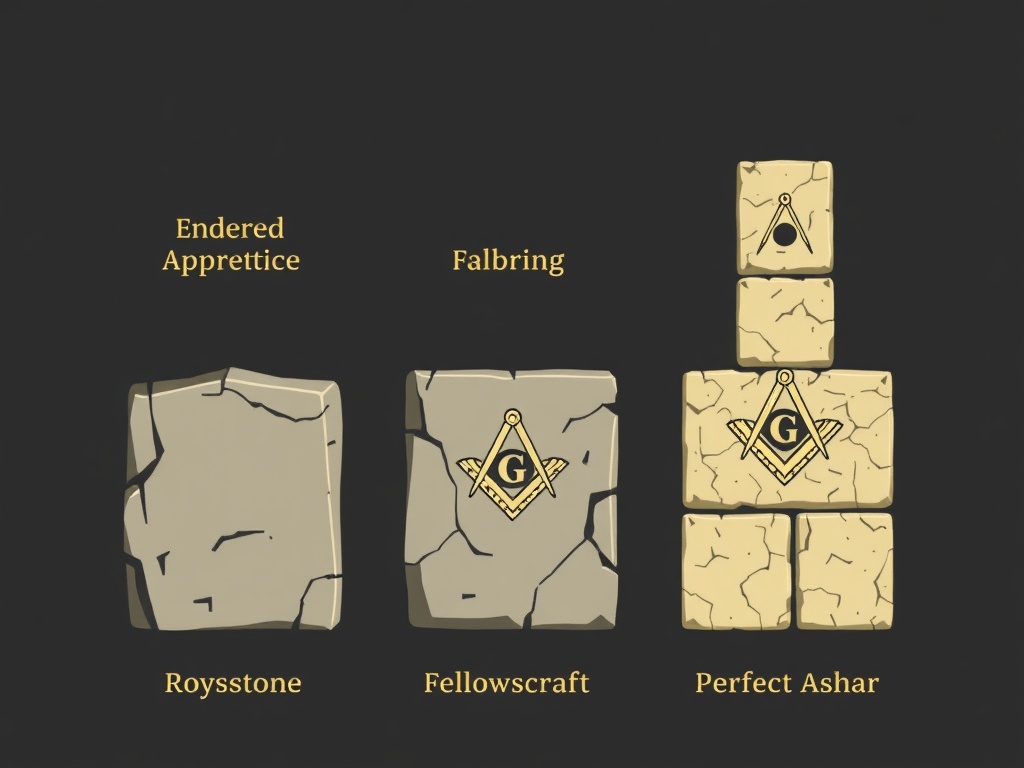
The Progression Through the Degrees
The three degrees of Freemasonry represent a carefully designed progression of spiritual and intellectual development. Each degree builds upon the previous one, gradually revealing deeper layers of Masonic philosophy and initiating candidates into greater levels of understanding and responsibility.
Initiation
The candidate begins as an unfinished stone, learning the fundamental principles and taking the first steps toward enlightenment.
Progress
The candidate advances through intellectual and moral development, learning about the liberal arts and the work of self-improvement.
Perfection
The candidate reaches completion as a Master Mason, fully initiated into the mysteries and ready to participate fully in Masonic life.
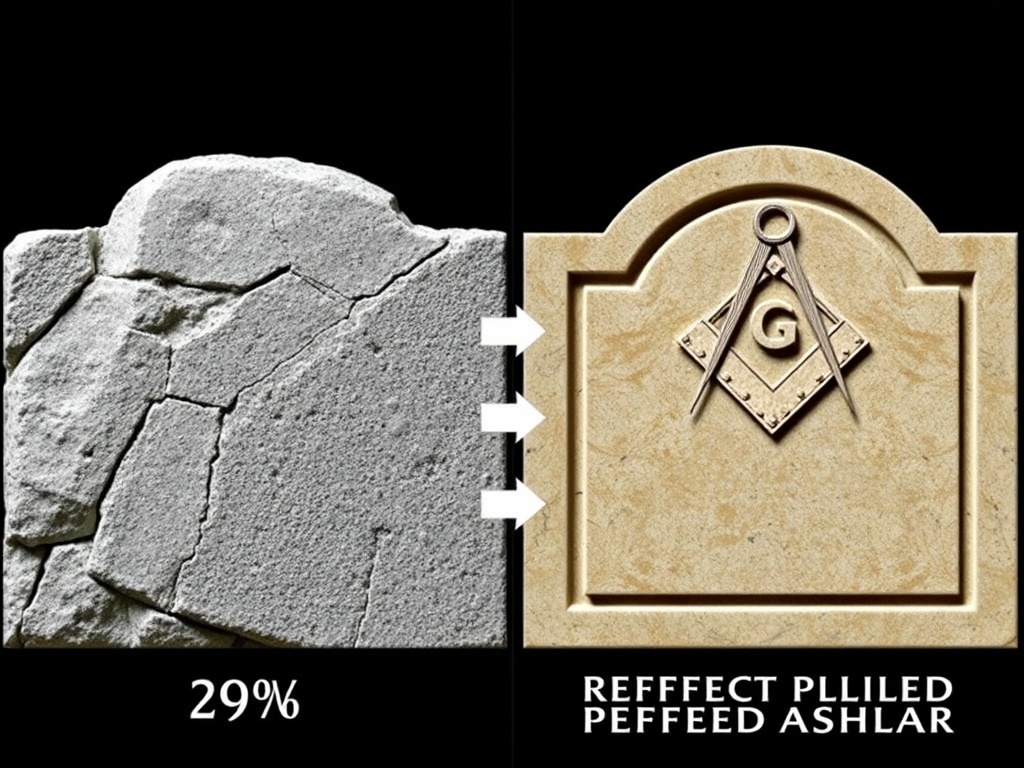
The Symbolism of the Ashlars
A central symbol running through the three degrees is the journey from the rough ashlar (rough, unpolished stone) to the perfect ashlar (smooth, polished stone). This progression mirrors the candidate's personal transformation.
As an Entered Apprentice, the candidate is like the rough ashlar—unfinished and needing refinement. As a Fellowcraft, he is in the process of being shaped and developed. As a Master Mason, he becomes like the perfect ashlar—refined, complete, and ready to take his place in the great structure of creation.
This symbolism reflects the Masonic belief that through education, discipline, and spiritual practice, human beings can perfect themselves and contribute meaningfully to society.
The Ritual Experience
Each degree is conferred through an elaborate ritual ceremony that involves a series of symbolic actions, the recitation of sacred texts, and the participation of experienced lodge officers. These rituals are not theatrical performances but rather participatory experiences designed to engage the candidate emotionally, intellectually, and spiritually.
The rituals of Freemasonry have been refined over centuries while maintaining their essential messages about virtue, enlightenment, and human transformation. The candidate is led through symbolic journeys that represent the challenges, discoveries, and triumphs of the Masonic path.
The ritual work emphasizes that Freemasonry is not merely an intellectual understanding but an embodied, lived experience of spiritual and moral development.
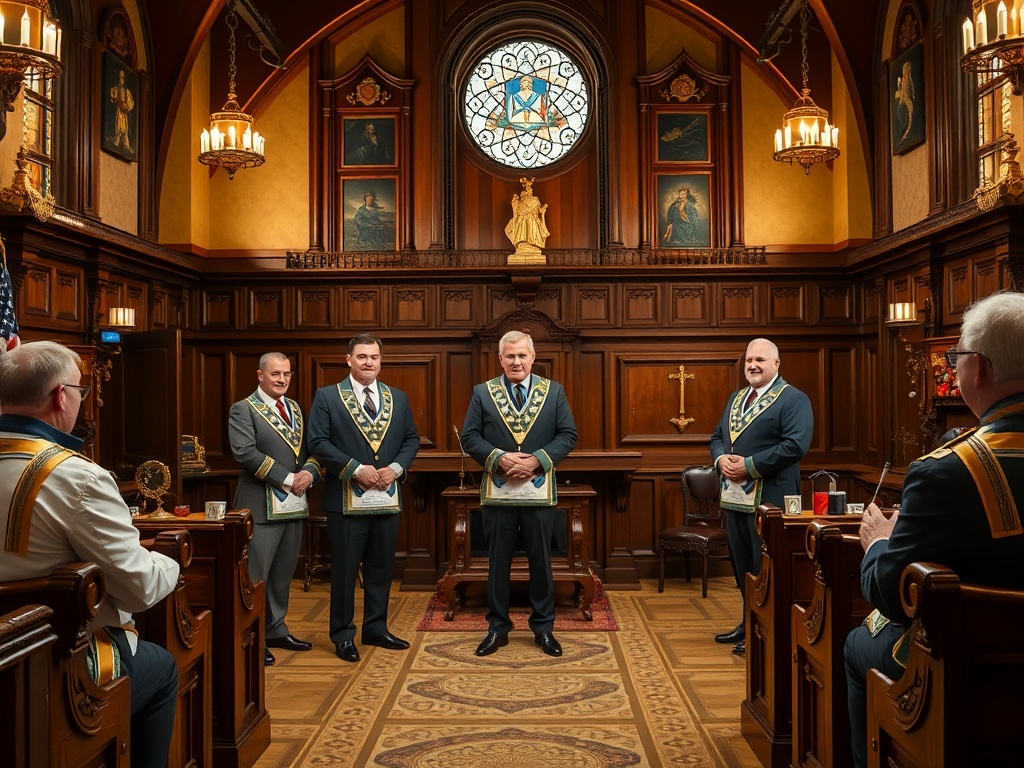
The Ritual Experience in Practice
The ritual ceremonies of the three degrees unfold within the sacred space of the lodge, with officers and members gathering together to confer degrees upon qualified candidates. The lodge becomes a living temple where ancient traditions and modern awareness combine to create transformative experiences.
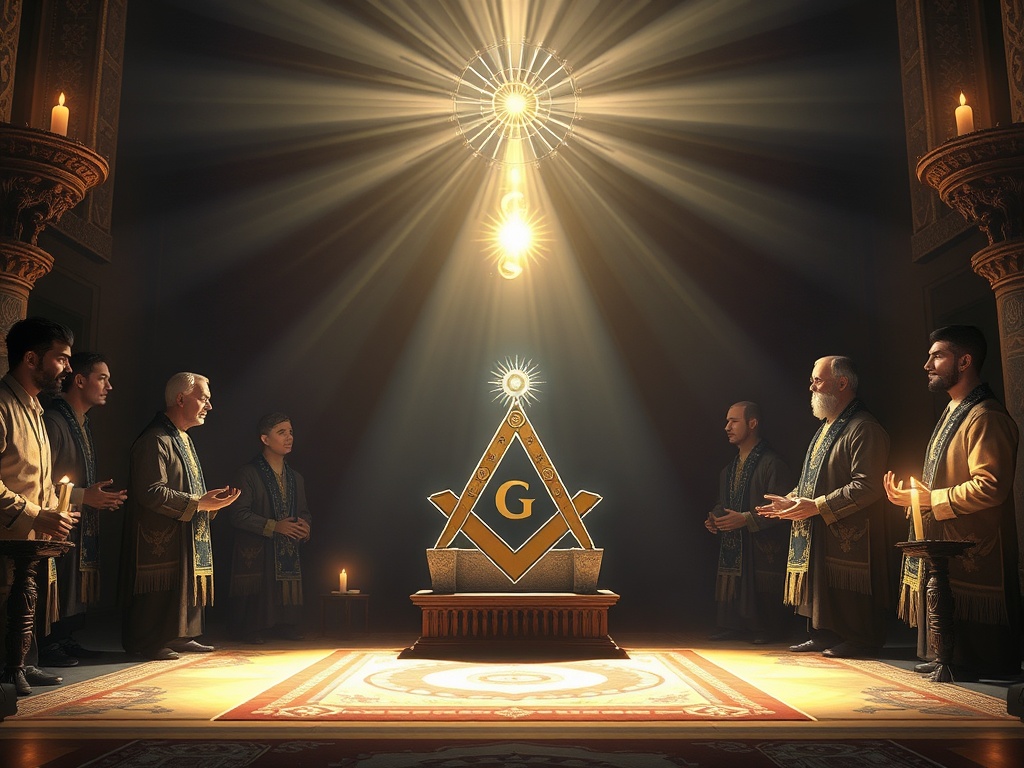
Each degree unfolds as a complete narrative arc, with the candidate at the center of a carefully orchestrated ceremonial experience. The combination of symbolic action, spoken word, and emotional engagement creates profound moments of insight and transformation that candidates carry with them throughout their Masonic journey.
Masonic Symbols and Their Meanings
Freemasonry uses ancient symbols rooted in stonemasonry to communicate profound philosophical truths. These symbols serve as visual expressions of Masonic principles and teachings about virtue, enlightenment, and human development.
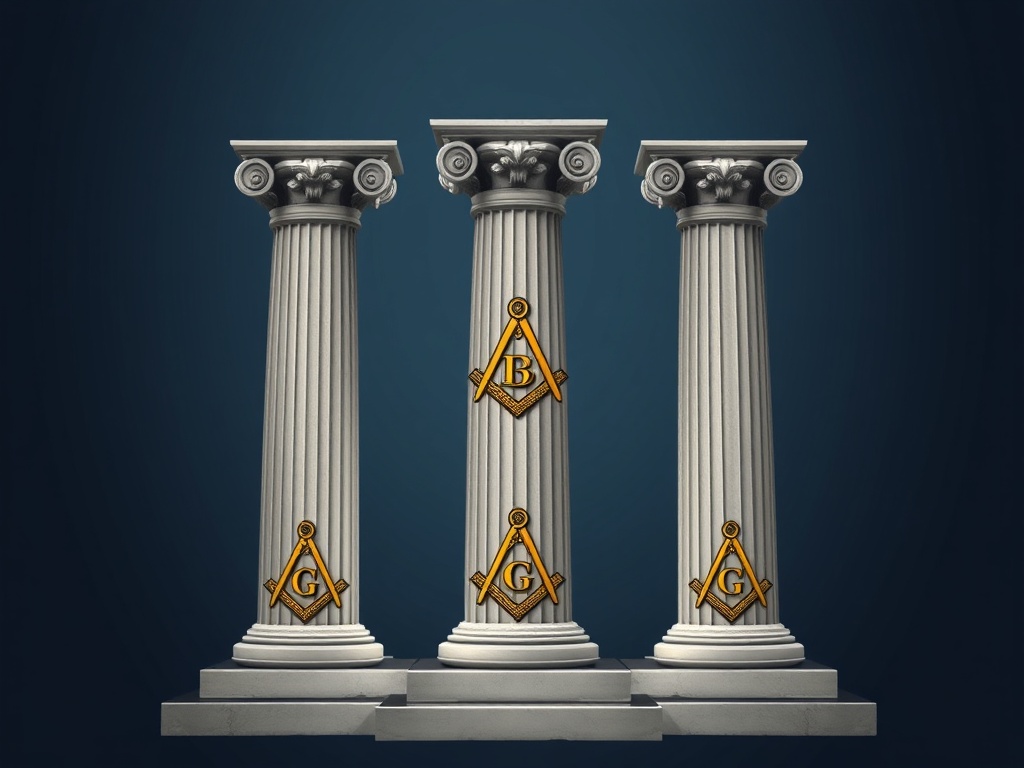
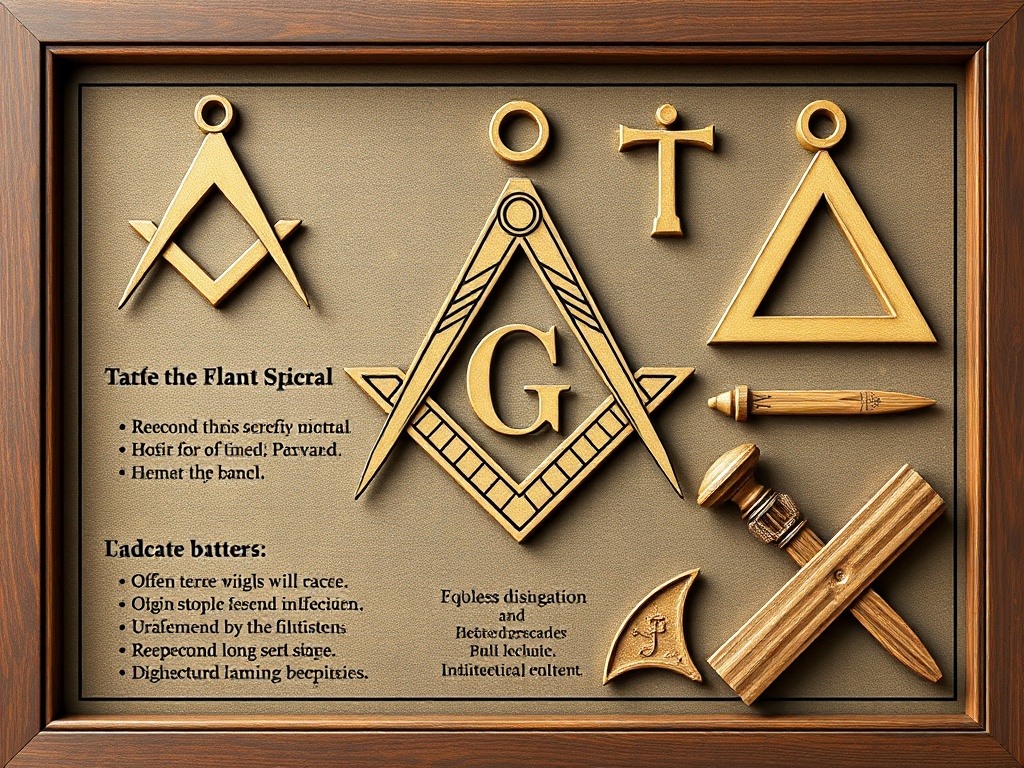
The Square and Compass
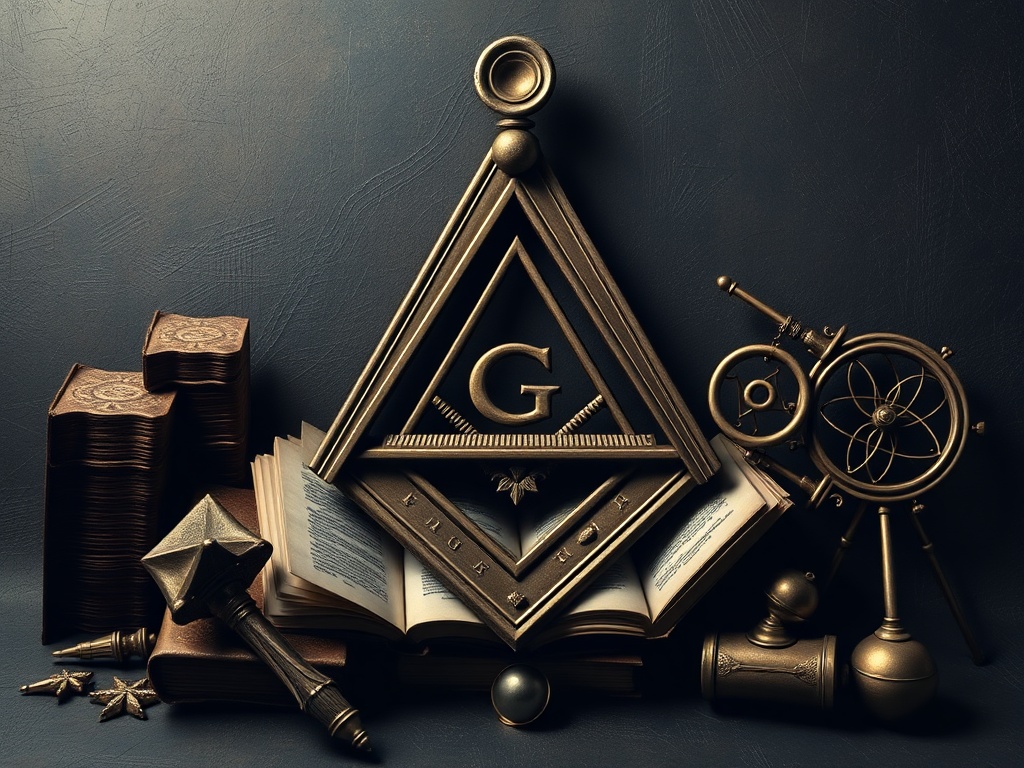
The Square and Compass is the most recognizable Masonic symbol, consisting of a 45-degree angle square intersected by a compass (drawing tool). This emblem represents the most fundamental Masonic principles and is displayed prominently in every Masonic lodge worldwide.
The Square represents morality and the right angle of virtue—it teaches Masons to "square their actions" by the square of virtue with all mankind. The Compass represents circumscription and restraint—the ability to set boundaries on desires and emotions. Together, they symbolize the balance between freedom and responsibility.
The Letter G often appears at the center of the symbol, representing either God or Geometry—reflecting the Masonic understanding that divine knowledge can be discovered through mathematical and geometric principles that underlie creation.
Key Masonic Symbols
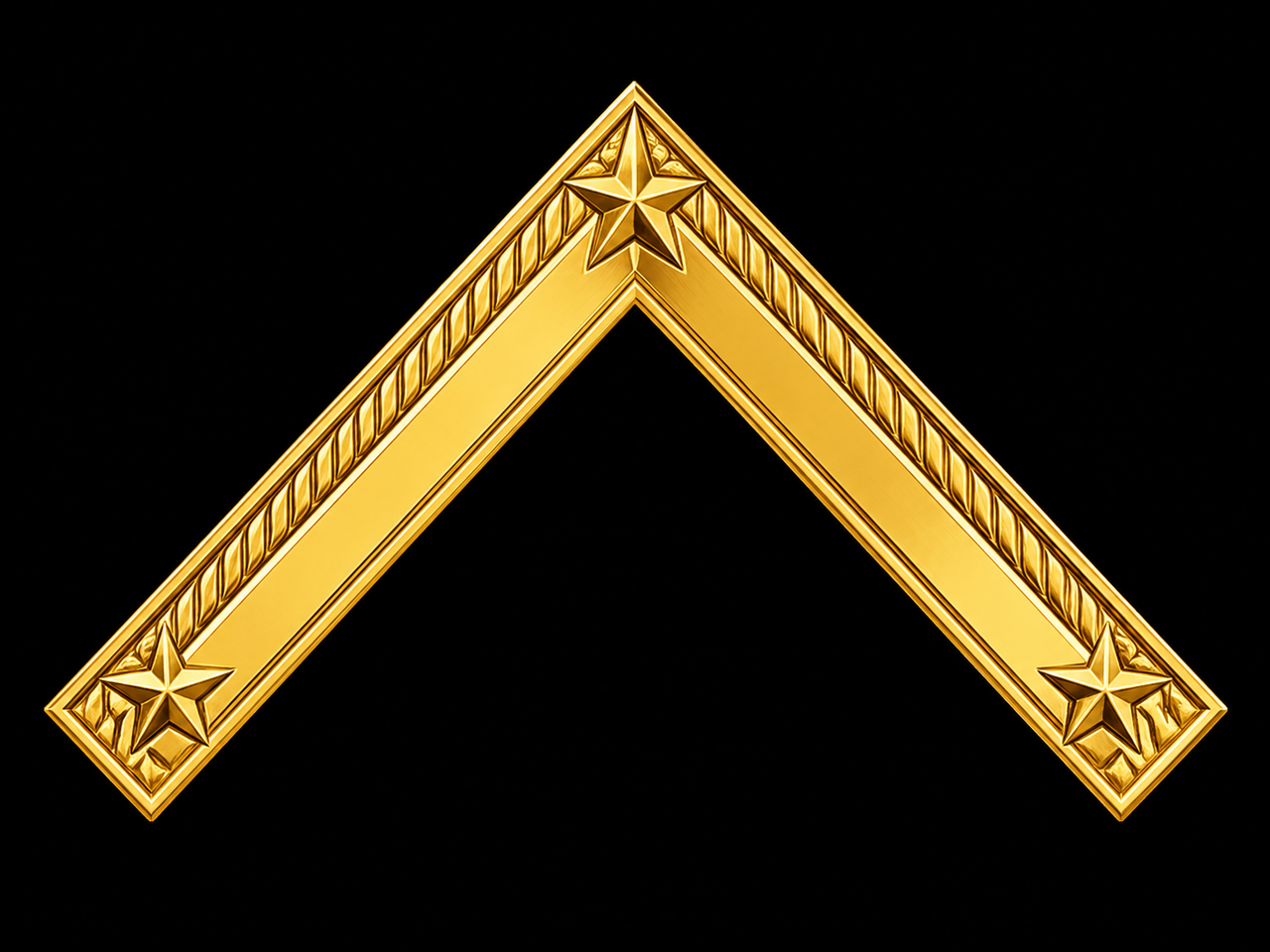
The Square
The Square represents morality and virtue. It teaches Masons to "square their actions" and maintain high ethical standards in all dealings. The square symbolizes the right angle of truth and the importance of building a life with honest, upright conduct as the foundation. It reminds Masons that their actions should form the right angles of justice and fairness.
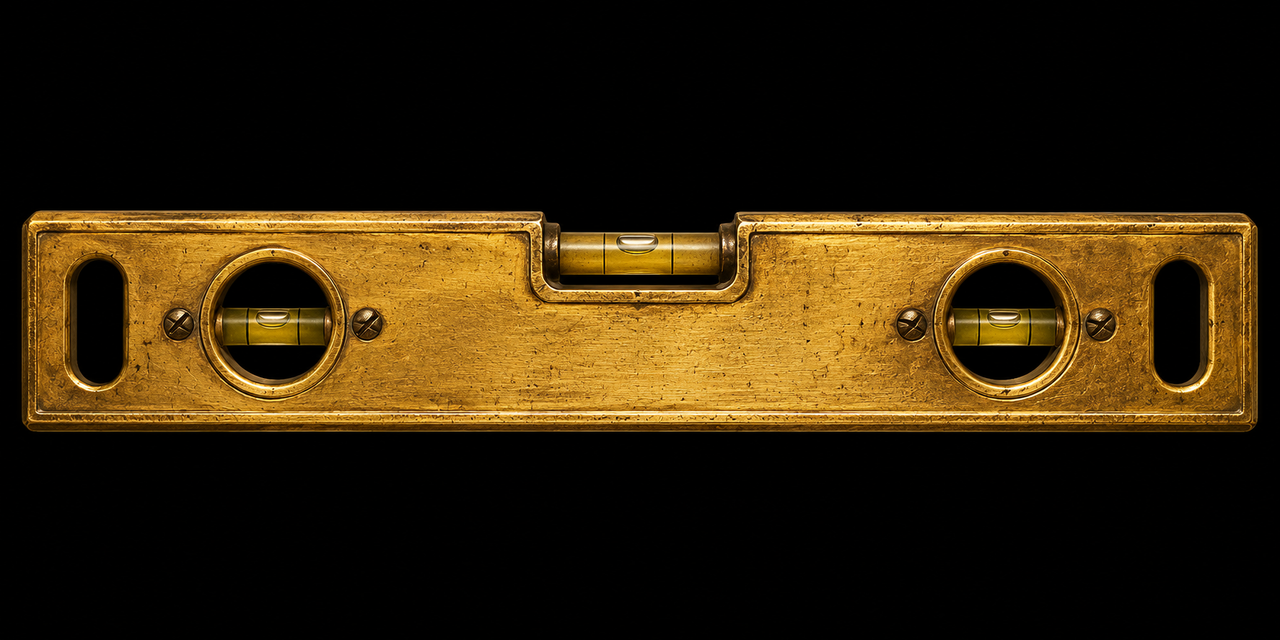
The Level
The Level symbolizes equality among all Masons. It represents that all men stand on equal ground regardless of wealth, rank, or social status. The level teaches that Masonic principles apply equally to all members and that true brotherhood transcends worldly distinctions.
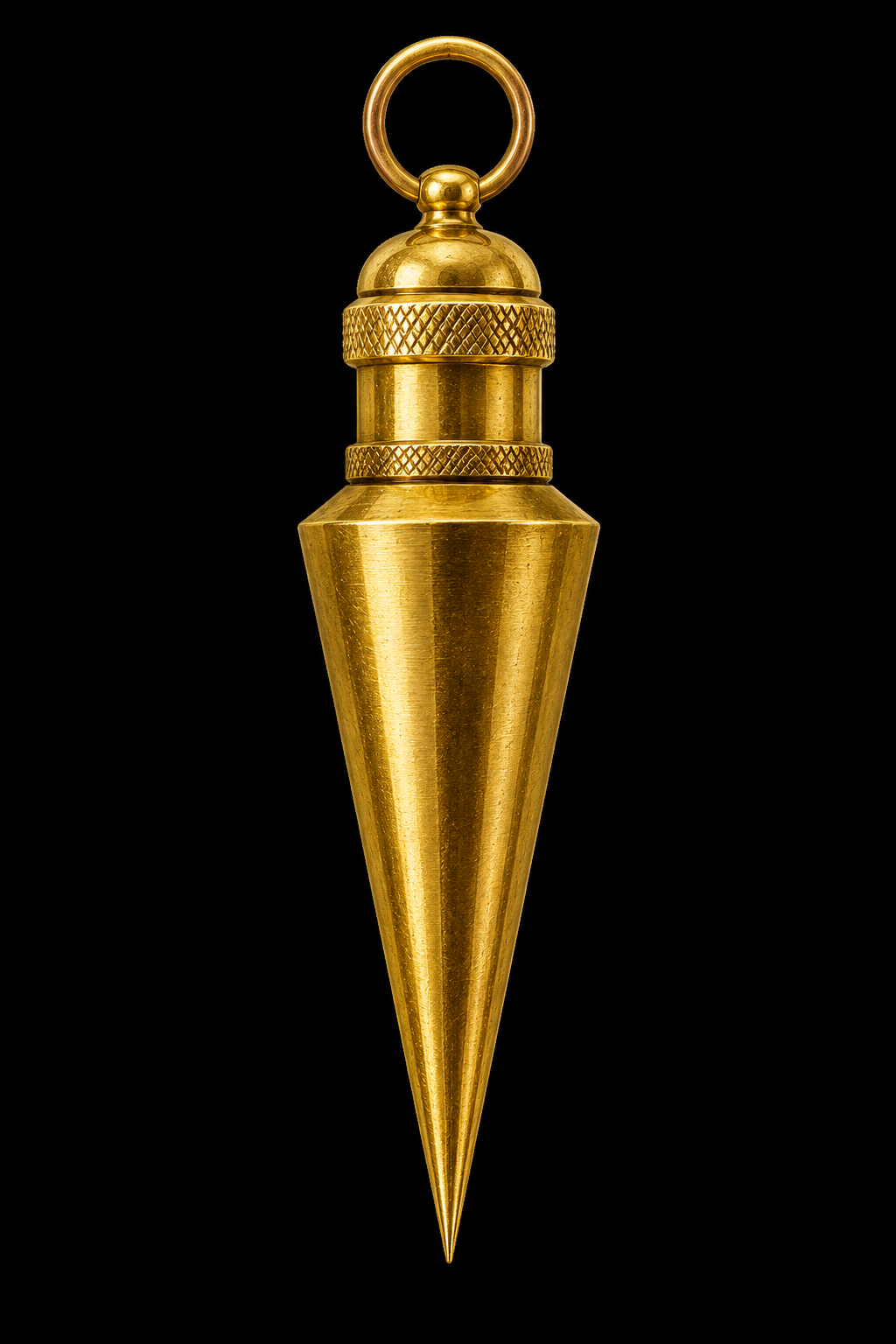
The Plumb
The Plumb represents uprightness and integrity. It symbolizes the importance of living honestly and maintaining high moral standards. The plumb's vertical line reminds Masons to remain straight and true in their dealings with others and their journey toward personal perfection.
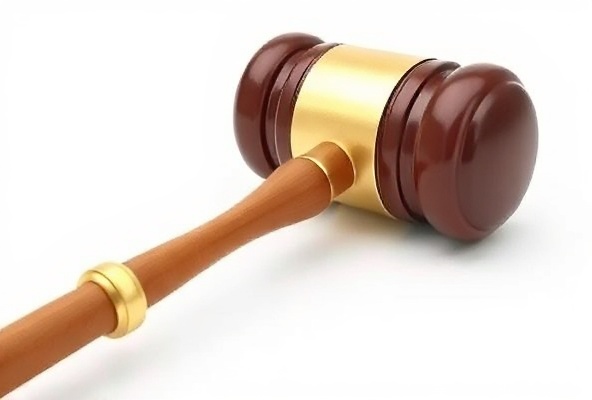
The Gavel
The Gavel represents authority, order, and justice. It is used by lodge leaders to open and close meetings and to maintain order during proceedings. The gavel symbolizes the power to make important decisions and the responsibility that comes with leadership and authority within the fraternity.
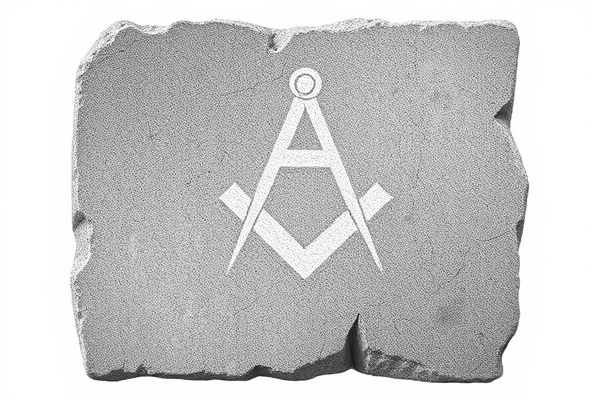
The Rough Ashlar
The Rough Ashlar represents the unfinished state of the candidate before Masonic instruction. It symbolizes raw potential and the rough edges of human nature that need to be refined through education, self-discipline, and moral development within the lodge.
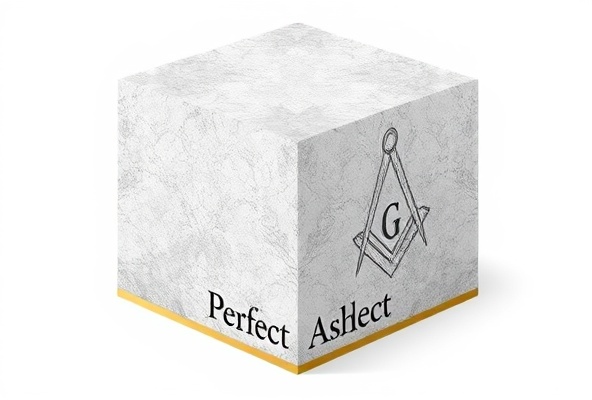
The Perfect Ashlar
The Perfect Ashlar represents the perfected, polished stone—the final result of Masonic education and self-improvement. It symbolizes the enlightened Mason who has been refined through study, ritual, and spiritual development, ready to take his place as a useful member of society.
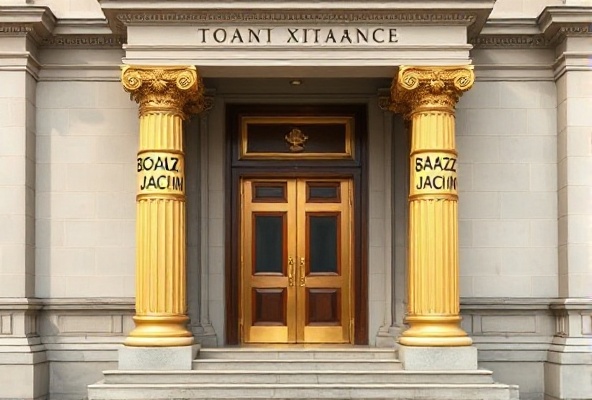
The Pillars
The two pillars that stand at the entrance to Masonic lodges represent strength and stability. They are named Boaz (meaning "in strength") and Jachin (meaning "He shall establish"), and together symbolize the duality of creation and the pillars that support the temple of human knowledge and virtue.
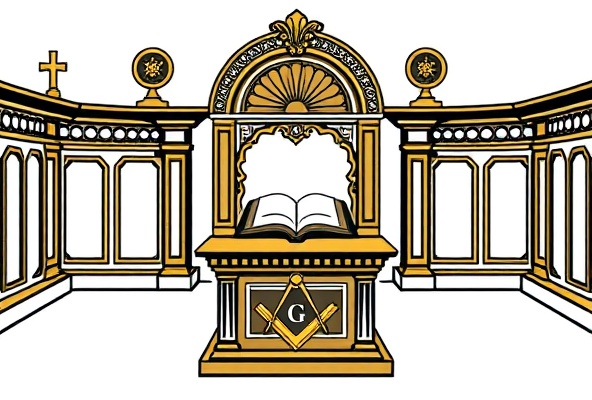
The Altar
The Altar in the center of the lodge represents sacred commitment and oath-taking. It is the focal point where candidates pledge themselves to Masonic principles and where members reaffirm their devotion to the fraternity's values of brotherhood, integrity, and spiritual growth.
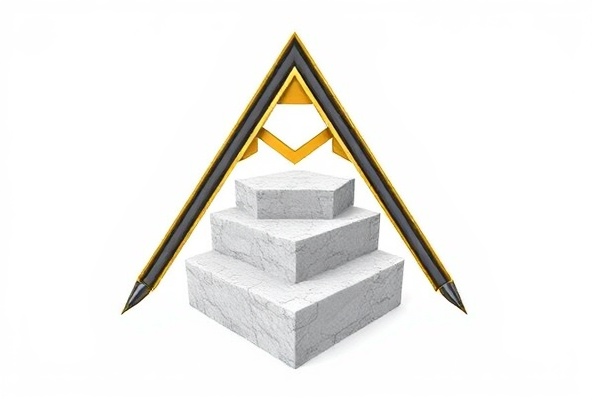
The Three Steps
The Three Steps represent the three degrees of Freemasonry: Entered Apprentice, Fellowcraft, and Master Mason. Each step symbolizes a stage of learning and development. The steps represent the ascending path toward knowledge, virtue, and enlightenment that every Mason must travel.
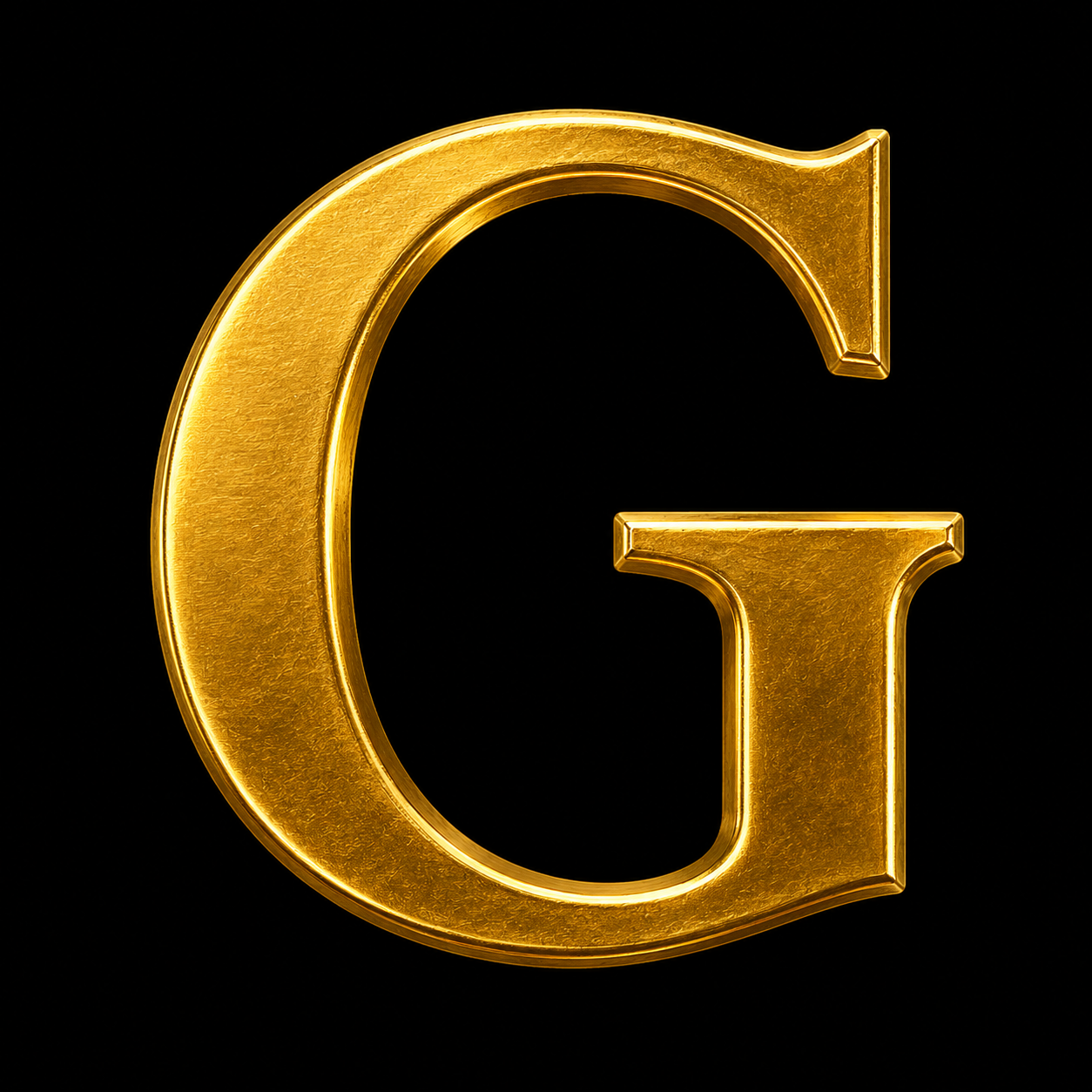
The Letter G
The Letter G is one of the most debated symbols in Freemasonry. It represents both God and Geometry—the Masonic understanding that divine truth can be discovered through geometric and mathematical principles. It reminds Masons that all knowledge ultimately points to the divine creator.

The Trowel
The Trowel is the tool of the Master Mason degree and represents unity and fellowship among Masons. It symbolizes the spreading of cement to bind stones together, reflecting the Masonic principle of unity and harmony. The trowel reminds Masons to work together in brotherhood and to strengthen the bonds of fraternal affection that unite the lodge.
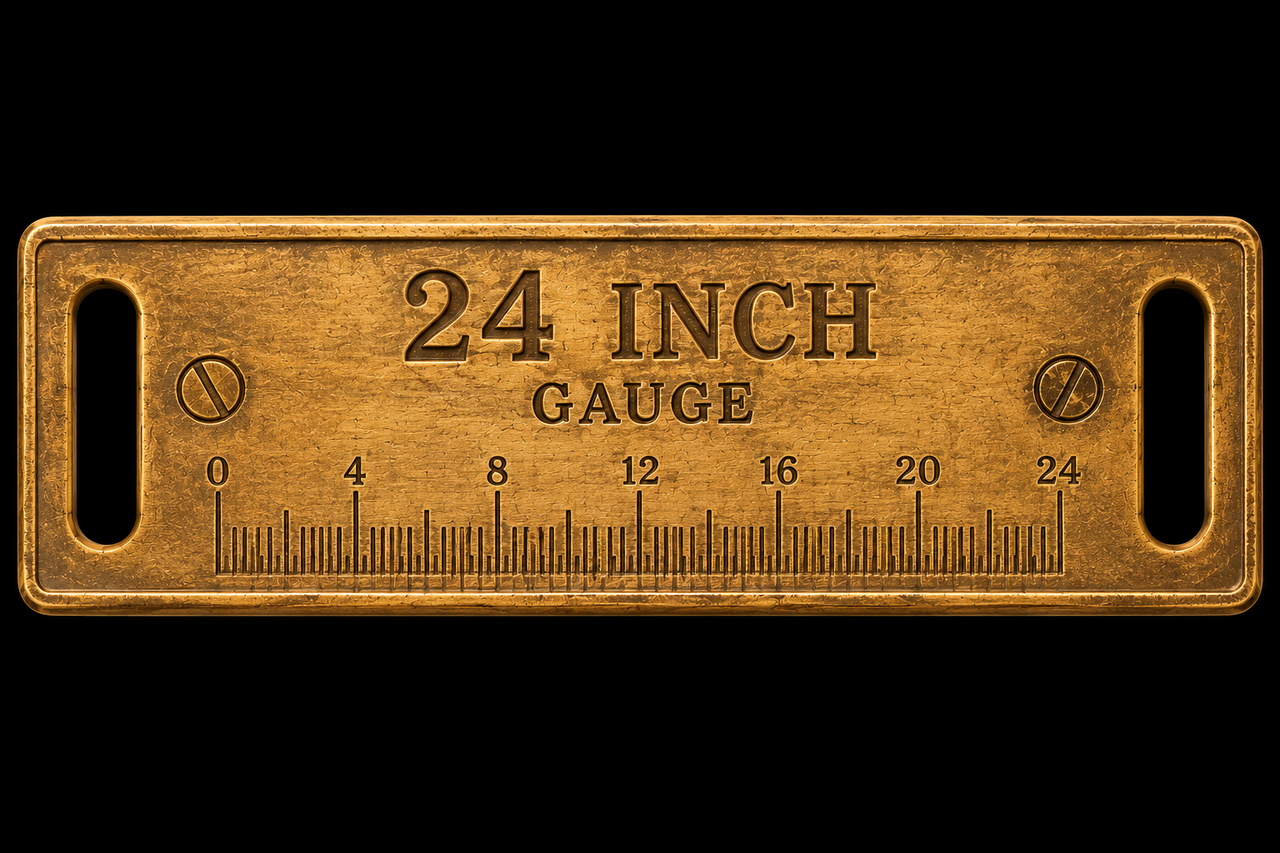
The 24 Inch Gauge
The 24 Inch Gauge is a measure of two feet and represents the division of day and night. In Masonry, it symbolizes the proper allocation of time—eight hours for labor, eight hours for rest, and eight hours for refreshment and relief of distressed worthy Masons. It teaches the importance of balance and order in life.
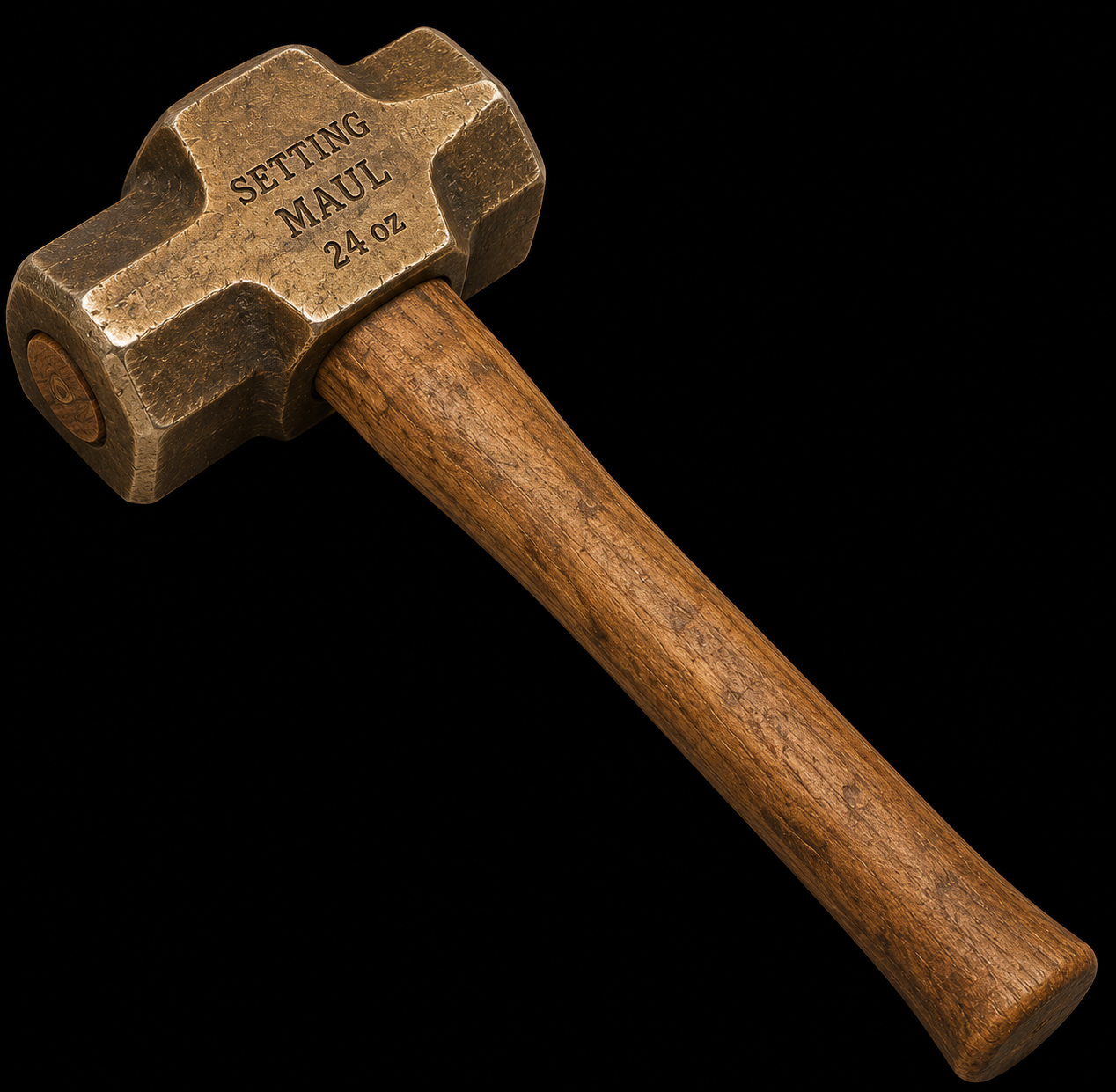
The Setting Maul
The Setting Maul is used by operative masons to shape stone and is wielded by the Worshipful Master during initiation ceremonies. In Freemasonry, it represents the power and authority of leadership, and symbolizes the authority of the Master to govern the lodge. It signifies strength tempered by wisdom and careful judgment.
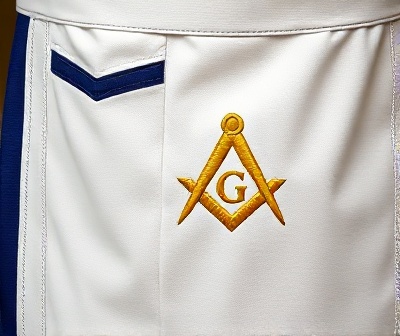
The Masonic Apron
The Masonic Apron is one of the most recognizable symbols of Freemasonry. Worn during ceremonies, it represents innocence and the state of purity required to receive Masonic instruction. The apron's design often includes the Compass and Square, representing the tools of geometry and universal principles, and symbolizes the dignity and honor of Masonic membership.
Understanding Masonic Symbolism
Every symbol in Freemasonry carries multiple layers of meaning that reveal themselves through study, contemplation, and experience. Masonic symbols are intentionally multivalent—they communicate different truths to individuals at different stages of their Masonic journey. What a symbol means to a newly initiated Entered Apprentice may have deeper significance for an advanced Master Mason.
These symbols are not arbitrary decorations but rather the language through which Freemasonry communicates its most profound teachings. They are rooted in the tools of stonemasonry—the craft from which the fraternity historically emerged—creating a powerful connection between the material work of building physical structures and the spiritual work of building character and enlightenment.
The beauty of Masonic symbols lies in their universal applicability. They transcend cultural and religious boundaries, allowing men from diverse backgrounds to find meaning and connection through shared symbolic language. By meditating on these symbols and contemplating their significance, Masons deepen their understanding of Masonic principles and their commitment to the fraternity's noble purposes.
Notable Freemasons
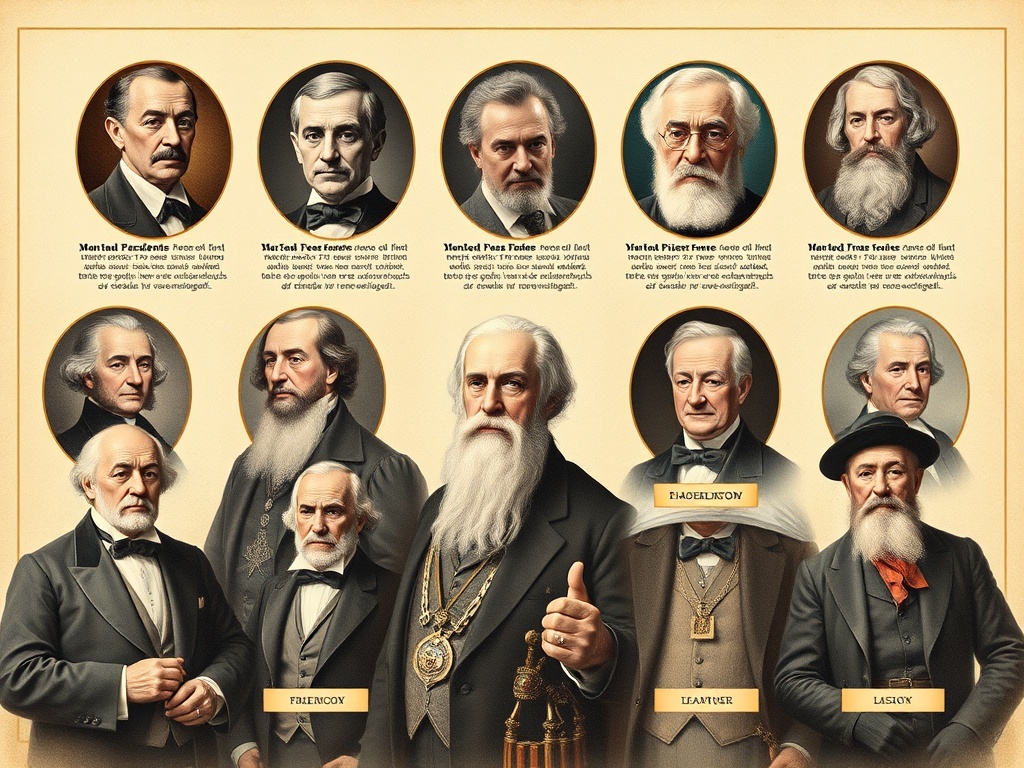
Throughout history, many prominent figures have been Freemasons, contributing to the fraternity's influence on culture, politics, science, and society.
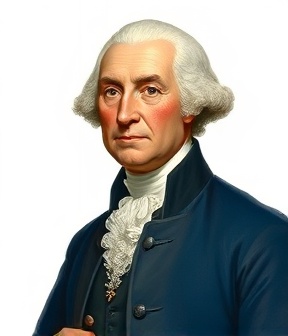
George Washington
First President of the United States
Washington was initiated into Freemasonry at Fredericksburg Lodge in Virginia and served as a Worshipful Master. His leadership principles of liberty, equality, and unity became foundational to American democracy.
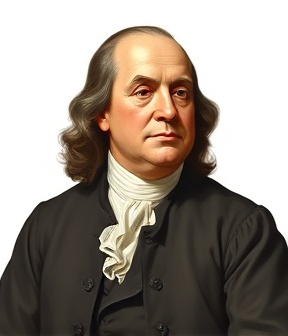
Benjamin Franklin
Founding Father & Polymath
Franklin was one of the most prominent American Freemasons and influential in the fraternity's development. His belief in self-improvement and education reflected core Masonic principles.
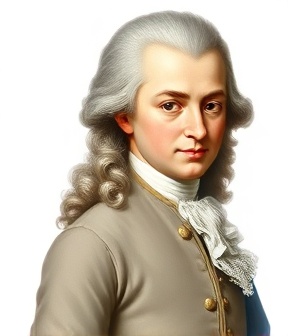
Wolfgang Amadeus Mozart
Renowned Composer
Mozart joined the Masonic Lodge in Vienna and composed "The Magic Flute," an opera deeply influenced by Masonic symbolism and philosophy. His music celebrates virtues of wisdom and enlightenment.
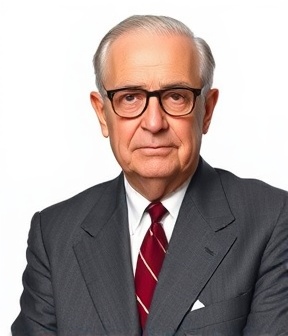
Harry S. Truman
33rd President of the United States
Truman was a dedicated Freemason who served as Grand Master of Missouri. His Masonic membership informed his commitment to democratic principles and moral governance.
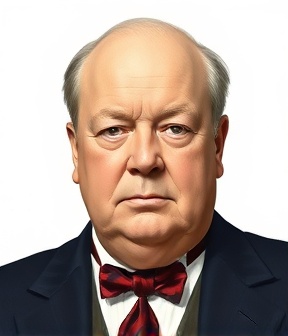
Winston Churchill
British Prime Minister & Statesman
Churchill's membership influenced his vision of international cooperation and alliance-building. His Masonic ideals shaped his leadership during World War II.
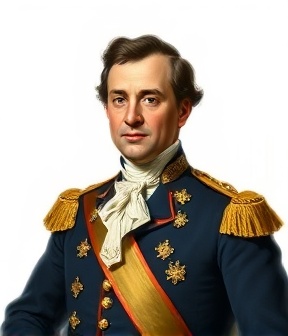
Marquis de Lafayette
French Revolutionary Leader & General
Lafayette was an active Freemason who brought Masonic ideals of liberty and fraternity to the French Revolution. His commitment to universal human rights reflected Masonic principles.
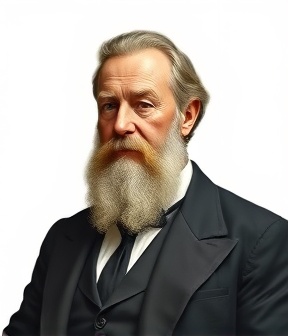
Albert Pike
Masonic Philosopher & Leader
Pike was a prominent Masonic leader who served as Sovereign Grand Commander of the Scottish Rite. His philosophical writings profoundly influenced modern Freemasonry.
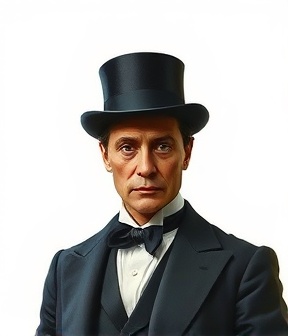
Harry Houdini
Legendary Illusionist & Escape Artist
Houdini's membership in Freemasonry influenced his understanding of symbolism and ritual. His commitment to exposing fraudulent spiritualists reflected Masonic values of truth and integrity.
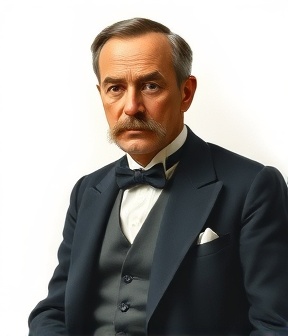
Rudyard Kipling
British Author & Poet
Kipling was an active Freemason who incorporated Masonic symbolism and themes into his literary works. His exploration of brotherhood and moral development reflected his Masonic philosophy.
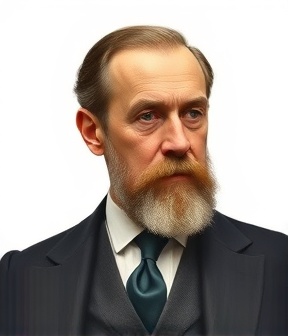
Arthur Conan Doyle
Author & Creator of Sherlock Holmes
Doyle's membership in Freemasonry influenced his interest in logic, reason, and investigation. His detective fiction reflects Masonic principles of careful observation and deductive reasoning.
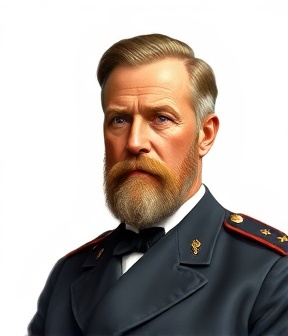
Ulysses S. Grant
US General & President
Grant was a devoted Freemason who valued the fraternity's principles of mutual aid and solidarity. His leadership during the Civil War embodied Masonic ideals of preserving unity and brotherhood.
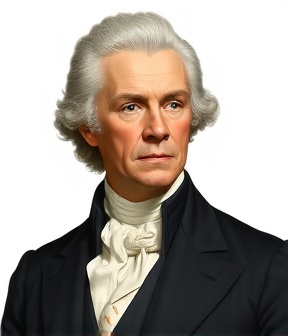
Andrew Jackson
7th President of the United States
Jackson's Masonic membership informed his populist political philosophy and commitment to democratic principles. His vision of equality and accessible government reflected core Masonic values.
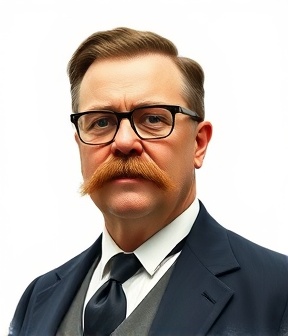
Theodore Roosevelt
26th President of the United States
Roosevelt's Masonic principles guided his commitment to conservation, social justice, and moral leadership. His vigorous advocacy for fraternal organizations strengthened American civil society.
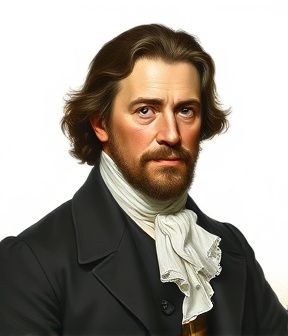
Paul Revere
American Patriot & Silversmith
Revere's Masonic lodge provided a network for patriotic activities during the American Revolution. His membership connected him to other Freemasons working toward American independence and liberty.
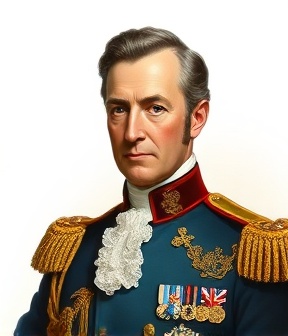
Duke of Wellington
British Military Commander & Statesman
Wellington's Masonic membership influenced his leadership during the Napoleonic Wars. His Masonic ideals of honor, duty, and strategic alliance-building shaped his military and political legacy.
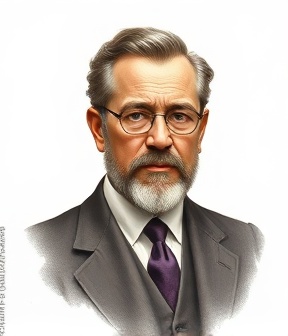
Samuel Gompers
American Labor Leader & Organizer
Gompers' Masonic principles guided his labor advocacy and commitment to workers' rights. His belief in mutual aid and brotherhood shaped his vision of labor unions as fraternal organizations.
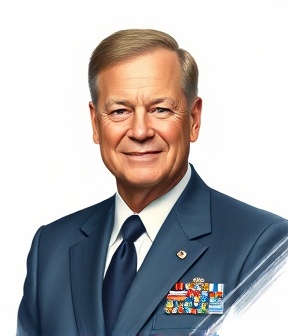
John Glenn
Astronaut & US Senator
Glenn's Masonic membership reflected his commitment to exploration and advancing human knowledge. His spaceflight and subsequent political career embodied Masonic values of service and leadership.
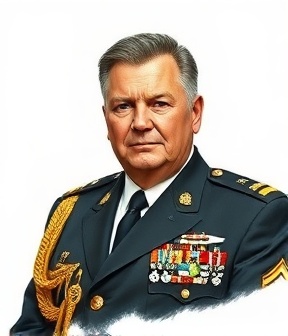
General Norman Schwarzkopf
US Military Commander
Schwarzkopf's military career reflected Masonic principles of leadership, duty, and brotherhood among soldiers. His commitment to justice and military honor aligned with core Masonic values.
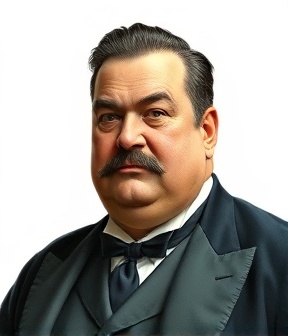
Enrico Caruso
Legendary Opera Singer
Caruso's Masonic membership connected him to international artistic and intellectual communities. His dedication to elevating human expression through music reflected Masonic ideals of enlightenment.
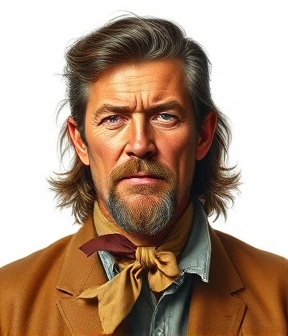
Davy Crockett
American Frontiersman & Politician
Crockett's Masonic principles guided his commitment to equality and representation. His role in Congress and military service reflected Masonic values of service and justice.
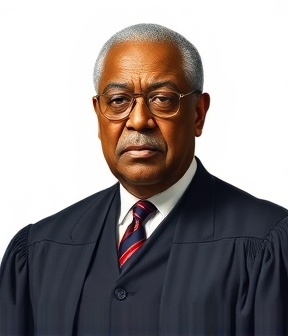
Thurgood Marshall
US Supreme Court Justice
Marshall's Masonic membership informed his lifelong commitment to civil rights and equal justice. His groundbreaking legal work embodied Masonic principles of universal brotherhood and equality.
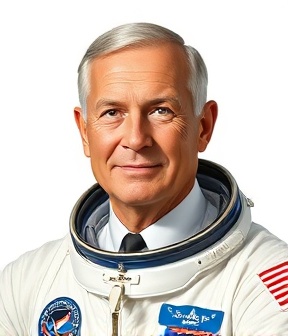
Buzz Aldrin
Astronaut & Space Pioneer
Aldrin's Masonic affiliation reflected his commitment to human achievement and exploration. His contributions to space exploration embody Masonic ideals of advancing knowledge and human potential.
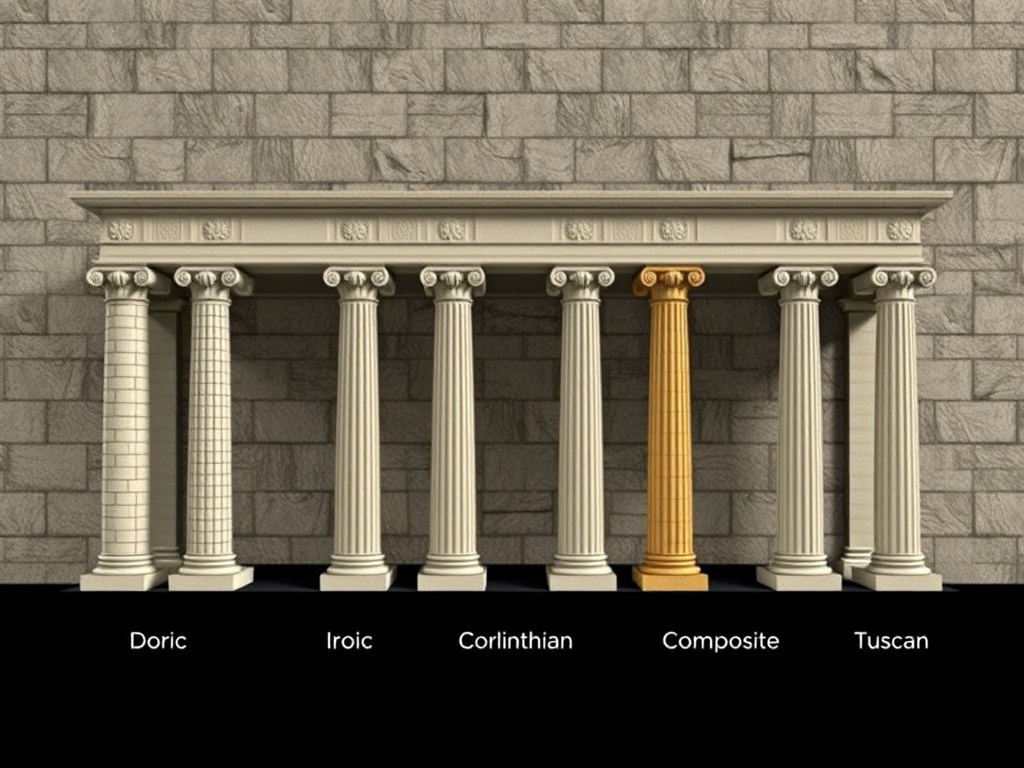
The Five Orders of Architecture
Masonic architecture incorporates five classical orders that serve as both literal and symbolic elements in lodge design and architectural education. These orders represent different approaches to structure, proportion, and aesthetic principle.
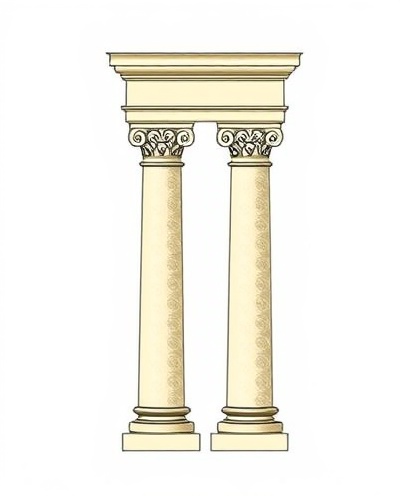
Tuscan Order
Characteristics: The simplest and most sturdy of the five orders, featuring plain, solid columns with minimal ornamentation. The Tuscan order represents strength, practicality, and foundational principles.
Masonic Significance: Symbolizes the fundamental building blocks of knowledge and the straightforward application of principle. Often used in Masonic lodges to represent the basic truths upon which higher knowledge is built.
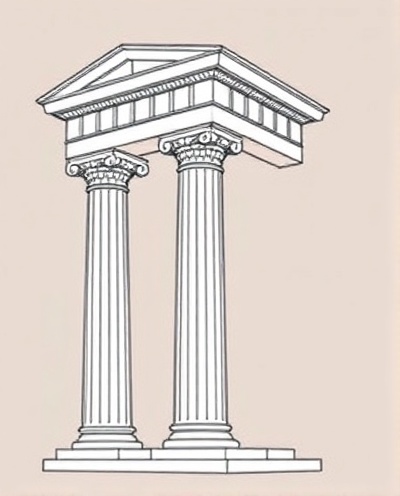
Doric Order
Characteristics: Robust and masculine, featuring fluted columns with no base and simple capitals. The Doric order combines strength with subtle ornamentation, representing balance and masculine virtue.
Masonic Significance: Represents strength of character, courage, and solid moral foundation. Used to symbolize the pillars of virtue that support Masonic teaching and personal development.
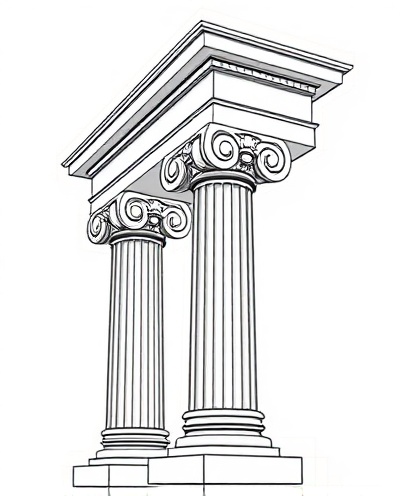
Ionic Order
Characteristics: More slender and elegant than Doric, featuring distinctive scroll-shaped capitals (volutes) and fluted columns. The Ionic order represents grace, wisdom, and refined beauty.
Masonic Significance: Symbolizes wisdom and intellectual refinement. Represents the balance between strength and beauty, and the importance of developing both physical and mental capabilities through Masonic education.
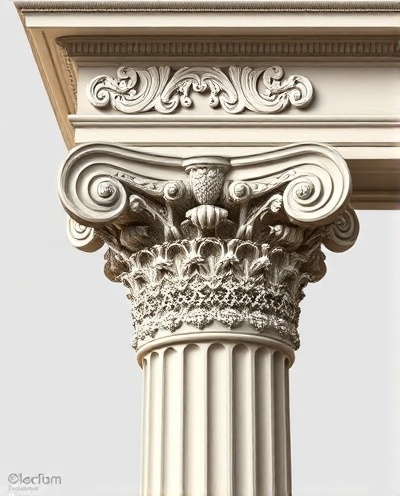
Corinthian Order
Characteristics: The most ornate and elaborate of the classical orders, featuring acanthus leaf decorations on capitals and extensive embellishments. The Corinthian order represents luxury, sophistication, and aesthetic perfection.
Masonic Significance: Symbolizes the highest development of aesthetic principles and the culmination of knowledge. Represents the achievement of enlightenment through the refinement of all human faculties—physical, intellectual, and spiritual.
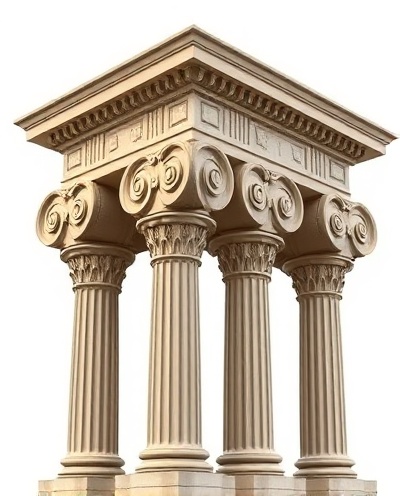
Composite Order
Characteristics: A synthesis of Ionic and Corinthian elements, combining Ionic volutes with Corinthian acanthus leaves. The Composite order represents integration and the harmonious blending of different principles.
Masonic Significance: Symbolizes the unity of diverse truths and the integration of different branches of knowledge. Represents the Masonic goal of synthesizing wisdom from all sources into a coherent philosophical system that guides personal and spiritual development.
Architectural Progression in Masonry
The five orders of architecture serve as a metaphor for the progressive degrees of Freemasonry. As candidates advance through the degrees, they move from simpler to more complex principles, paralleling the architectural progression from Tuscan to Composite. Each order builds upon the foundation of the previous one, reflecting the Masonic principle of gradual enlightenment and development.
Masonic lodges often incorporate these architectural orders in their physical design, with columns and structural elements symbolizing the principles they represent. This visual teaching method reinforces the lessons of each degree and provides constant reminders of the values and virtues Masons strive to embody.
The Seven Liberal Arts
Freemasonry emphasizes the study of the seven liberal arts as essential to intellectual development and enlightenment. These disciplines, drawn from classical education, form the foundation of Masonic learning and personal growth.

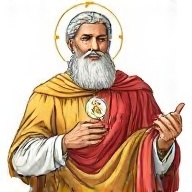
Grammar
The foundation of all learning, grammar teaches the proper use of language and clear communication. In Masonry, Grammar represents the fundamental principles upon which all knowledge is built. It emphasizes precision in thought and speech, recognizing that clear communication is essential to understanding truth.
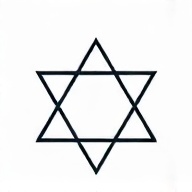
Rhetoric
The art of persuasive and eloquent speech, Rhetoric teaches the effective expression of ideas. Masonic Rhetoric emphasizes honest communication, ethical persuasion, and the responsibility that comes with the power of words. It is essential for leaders and teachers within the fraternity.
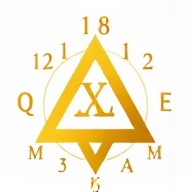
Logic
The science of reasoning and the laws of thought, Logic teaches how to distinguish truth from falsehood through rational analysis. In Masonry, Logic represents the ability to think clearly, make sound judgments, and avoid deception through rigorous intellectual discipline.
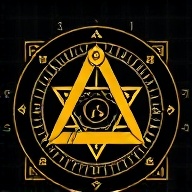
Arithmetic
The science of numbers, Arithmetic represents the mathematical principles underlying all creation. Masons recognize that numerical harmony and proportion reflect divine order. Understanding mathematics is essential to both architecture and understanding the cosmos.
Geometry
The science of space and form, Geometry is perhaps the most important of the liberal arts in Masonry. It teaches the principles of proportion, harmony, and balance—both in physical architecture and in life. Geometry reveals the hidden order and beauty of creation.
Music
The science of harmony and proportion expressed through sound, Music represents the harmony of the universe. Masons recognize that music bridges reason and emotion, and that understanding musical harmony contributes to understanding cosmic harmony and human relationships.
Astronomy
The science of celestial bodies and cosmic order, Astronomy teaches Masons about the vastness of creation and humanity's place within it. It inspires wonder and humility, reminding practitioners that true knowledge includes understanding the greater forces and patterns that govern existence.
The Trivium and Quadrivium
The seven liberal arts are traditionally divided into two groups: the Trivium (Grammar, Rhetoric, and Logic) represents the arts of communication and reasoning, while the Quadrivium (Arithmetic, Geometry, Music, and Astronomy) represents the mathematical sciences.
In Masonic philosophy, the Trivium provides the tools for effective communication and logical thinking, enabling candidates to clearly express and reason about truth. The Quadrivium then reveals the mathematical and harmonic principles underlying creation, showing how these truths are manifest in the physical universe.
Together, the seven liberal arts form a complete educational system that develops both the mind's analytical capabilities and its intuitive understanding of universal principles. Freemasonry encourages the study of these disciplines as pathways to enlightenment and personal perfection.
York Rite and Scottish Rite: Exploring Advanced Masonic Degrees
Beyond the three foundational degrees of Freemasonry, the York Rite and Scottish Rite offer advanced degrees that explore deeper philosophical teachings, historical narratives, and spiritual dimensions of Masonic wisdom.
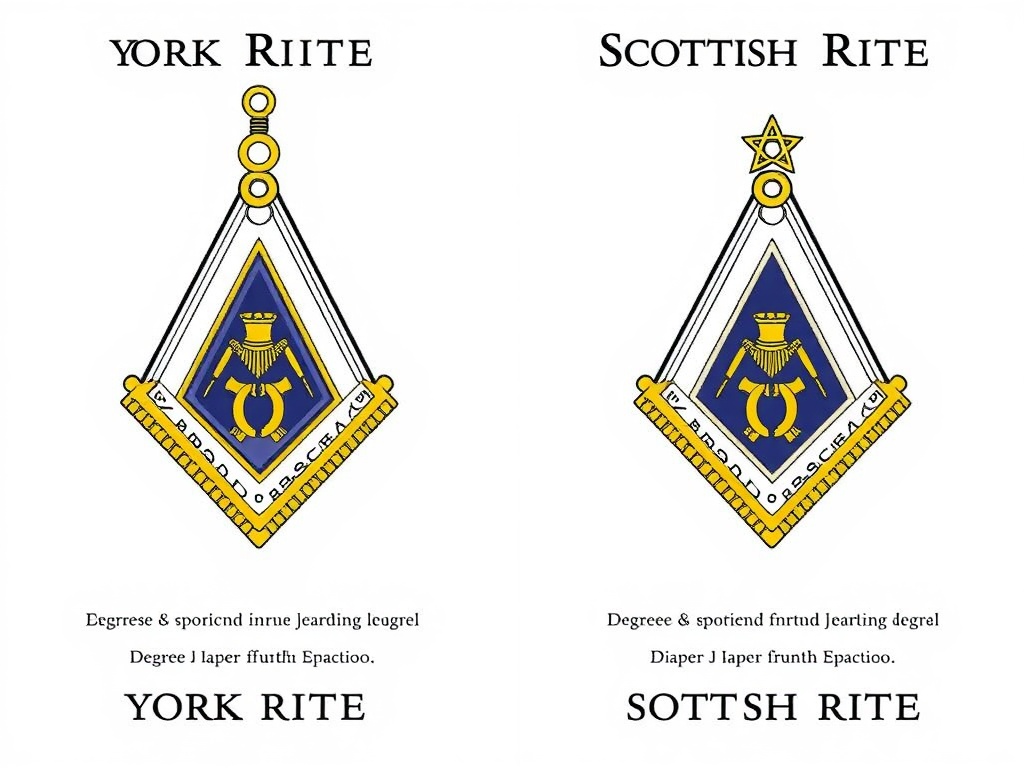
The York Rite: Ancient Traditions and Multiple Branches
The York Rite, also known as the American Rite, represents one of the oldest and most historically significant branches of Masonic advancement. Its name derives from York, England, where some of the earliest documented Masonic lodges operated. The York Rite's historical roots extend back to medieval stonemasons' guilds, making it perhaps the most conservative and tradition-bound of the Masonic systems.
The York Rite differs fundamentally from other Masonic systems in its structure and approach. Rather than being a single unified body, the York Rite is actually composed of three distinct organizations that work in harmony: the Royal Arch Masonry, the Cryptic Rite (also called the Council), and the Knights Templar. This tripartite structure allows Masons to explore different aspects of Masonic philosophy and history through complementary degree systems.
Royal Arch Masonry
The Royal Arch Masonry represents the completion of the Blue Lodge degrees. The Royal Arch degree explores the architectural history of Jerusalem's temple and contains some of the most revered teachings in Freemasonry. It teaches about the recovery of sacred knowledge and the importance of building upon solid foundations.
Key Themes: Temple architecture, sacred knowledge, spiritual completion, enlightenment through revelation.
Cryptic Rite (Council Degrees)
The Cryptic Rite consists of three degrees that focus on the hidden or cryptic aspects of Masonic knowledge. These degrees explore the construction of King Solomon's Temple in greater detail and present teachings that complement and extend those of the Royal Arch. The word "cryptic" refers to the hidden or concealed nature of the teachings.
Key Themes: Hidden wisdom, temple mysteries, fellowship, spiritual protection and preservation.
Knights Templar
The Knights Templar degrees represent the culmination of York Rite advancement. These degrees emphasize chivalry, honor, and religious devotion. They honor the historical Knights Templar order and teach lessons about courage, faith, and defending sacred principles. The Knights Templar serves as both spiritual and ceremonial leadership within the York Rite.
Key Themes: Chivalry, sacred duty, honor, spiritual combat, ultimate loyalty and sacrifice.
York Rite Structure and Progression
Masons typically progress through the York Rite by advancing through these three bodies in a complementary manner. The progression begins with the Royal Arch, which is essential to understanding the more advanced work. The Cryptic Rite deepens knowledge through additional degrees that explore hidden aspects of the temple narrative. Finally, the Knights Templar degrees represent the pinnacle of York Rite advancement, emphasizing the spiritual warrior's path.
What distinguishes the York Rite is its emphasis on historical narrative and architectural symbolism. Every degree tells a story connected to the building and preservation of Solomon's Temple, and the symbolism focuses heavily on architectural principles, sacred geometry, and the geometric progressions that define Masonic teaching.
The Scottish Rite: Philosophical Depth and Spiritual Exploration
The Scottish Rite offers a different approach to advanced Masonic degrees, emphasizing philosophical inquiry, spiritual development, and esoteric wisdom. Despite its name, the Scottish Rite actually originated in France in the 18th century and reached its full development in America. It represents a more liberal and philosophically oriented interpretation of Masonic teachings compared to the historical focus of the York Rite.
The Scottish Rite is distinguished by its extensive system of 33 degrees (with the 33rd being honorary), far exceeding the 10-12 degrees typically available in York Rite. This larger number of degrees allows for a more comprehensive exploration of Masonic philosophy, encompassing teachings from various mystical, religious, and philosophical traditions. The Scottish Rite appeals to Masons who seek deeper philosophical understanding and broader spiritual perspectives.
Structure of Scottish Rite Degrees
The 33 degrees of the Scottish Rite are traditionally organized into three sections. Degrees 4-14 explore craft masonry and ancient mysteries. Degrees 15-30 focus on philosophical and mystical teachings, drawing from various spiritual traditions. Degrees 31-33 represent the apex of the system, with the 33rd degree being an honorary distinction awarded for exceptional service and spiritual achievement.
Approach: Philosophical inquiry, mystical exploration, synthesis of diverse wisdom traditions.
Philosophical Themes in Scottish Rite
Scottish Rite degrees explore themes including ancient wisdom, the nature of truth, human perfectibility, the role of the individual in society, and spiritual enlightenment through knowledge. Many degrees draw inspiration from historical events, legendary narratives, and teachings of ancient philosophers and mystics, creating a rich tapestry of wisdom traditions integrated into Masonic framework.
Key Focus: Wisdom, enlightenment, social responsibility, spiritual transformation.
Comparing York Rite and Scottish Rite
York Rite Characteristics
- • 10-12 degrees across three bodies
- • Focus on historical narrative and temple construction
- • Emphasis on architectural symbolism and geometry
- • Conservative and traditionally-oriented approach
- • Strong emphasis on chivalry in Knights Templar degrees
- • Organized as three complementary bodies
Scottish Rite Characteristics
- • 33 degrees with extensive philosophical content
- • Emphasis on philosophical and spiritual inquiry
- • Draws from diverse wisdom traditions and mysticism
- • Liberal and progressive interpretation of Masonry
- • Organized under a single Supreme Council
- • Extensive exploration of spiritual development and enlightenment
Choosing Between York Rite and Scottish Rite
Many Masons pursue both York Rite and Scottish Rite degrees, as they are complementary rather than contradictory systems. Some lodges and Masons prefer the historical and architectural emphasis of the York Rite, valuing its connection to medieval stonemasonry traditions and its structured progression through three distinct bodies. Others are drawn to the philosophical breadth and spiritual depth of the Scottish Rite, appreciating its synthesis of diverse wisdom traditions and its extensive exploration of Masonic principles.
The choice often depends on individual spiritual orientation and intellectual interests. The York Rite appeals to those who value tradition, historical continuity, and architectural symbolism. The Scottish Rite attracts those seeking broader philosophical exploration, diverse spiritual perspectives, and extensive personal development through knowledge.
Both systems ultimately serve the same core Masonic purpose: advancing the spiritual and intellectual development of Masons and deepening their understanding of Masonic principles. Whether a Mason chooses to pursue the York Rite, the Scottish Rite, or both, the goal remains the same—continued enlightenment, self-improvement, and service to humanity.
Major Grand Lodges
Explore the rich histories of prominent Grand Lodges that have shaped Freemasonry around the world.
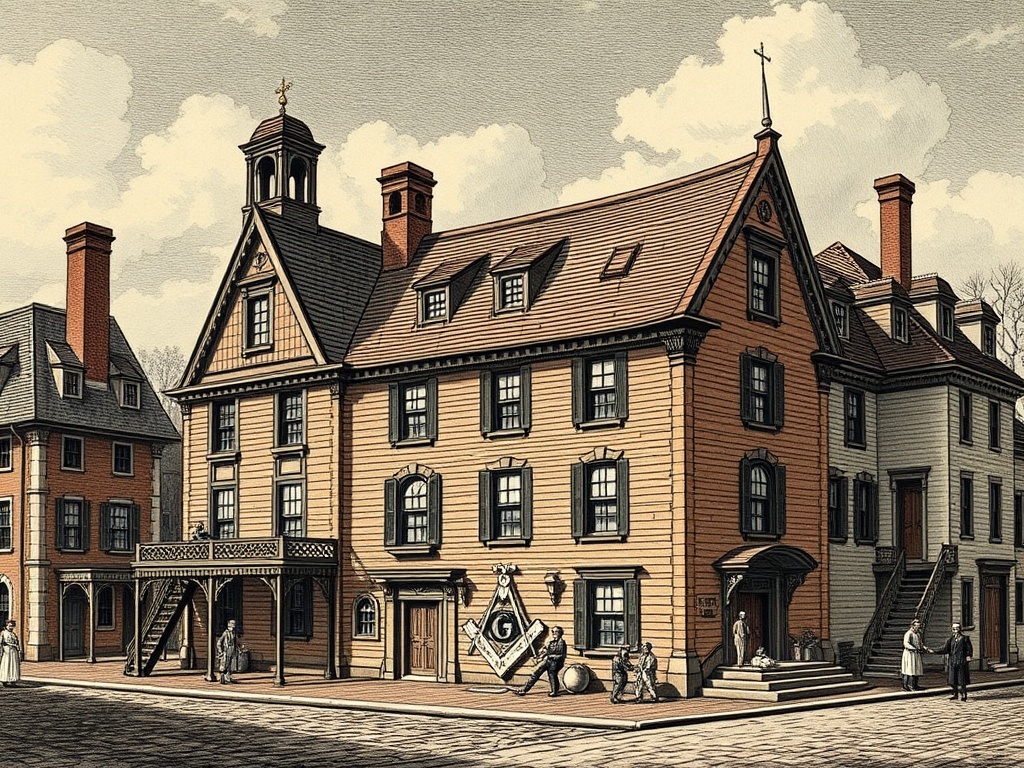
Grand Lodge of Pennsylvania
The birthplace of American Freemasonry, Pennsylvania holds a unique place in the fraternity's history. From Benjamin Franklin's influence to its role in the American Revolution, Pennsylvania Freemasonry shaped the nation's founding principles.
Founded: 1734
Location: Pennsylvania, United States
Key Contribution: First Grand Lodge in America
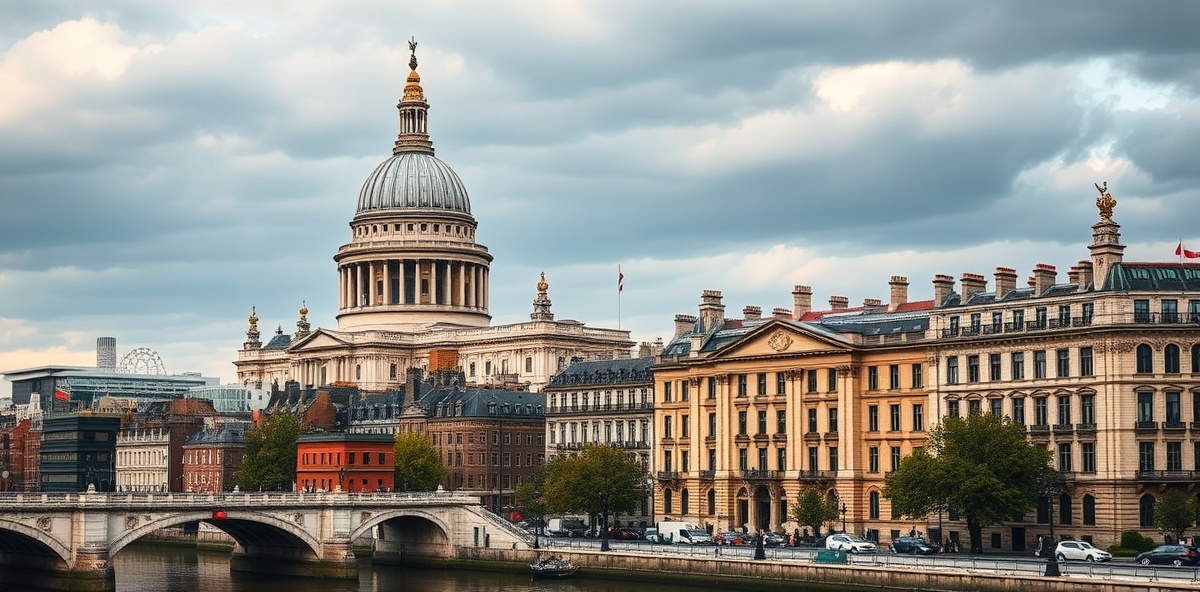
United Grand Lodge of England
The oldest surviving Grand Lodge in the world and the foundation of modern Freemasonry. UGLE's 1717 founding transformed Freemasonry into a global fraternity, establishing the principles and practices that continue to guide lodges worldwide.
Founded: 1717
Location: England
Key Contribution: Foundation of Modern Freemasonry
Explore Related Guides
Deepen your understanding of Freemasonry through specialized topics and regional history.
All US Grand Lodges
Explore the complete history, rituals, heritage, and traditions of every Grand Lodge across all 50 states and the District of Columbia.
Learn More →History of Pennsylvania Freemasonry
Explore the rich heritage of Freemasonry in Pennsylvania, from colonial roots through its role in the American Revolution to modern community service.
Learn More →United Grand Lodge of England
Discover the oldest surviving Grand Lodge in the world and the foundation of modern Freemasonry worldwide.
Learn More →All European Grand Lodges
Explore the historic Grand Lodges across Europe, from England to Greece, each with centuries of tradition and contribution to global Freemasonry.
Learn More →All Prince Hall Grand Lodges
Discover the remarkable history and contributions of Prince Hall Freemasonry across all U.S. jurisdictions and its global influence.
Learn More →Frequently Asked Questions
Have questions about Freemasonry? Here are answers to some of the most common inquiries.
Comments & Discussion
Have thoughts or questions about this topic? Share your feedback below. All comments are moderated to maintain a respectful community.