The Junior Master of Ceremonies
The skilled conductor of lodge ceremonies: the Junior Master of Ceremonies ensures that rituals are performed with precision, reverence, and aesthetic grace.
The Junior Master of Ceremonies is a dedicated officer responsible for the proper execution and direction of all ceremonial proceedings within the lodge. This position requires extensive knowledge of Masonic ritual, ceremonial protocol, and symbolic procedure. The Junior Master of Ceremonies works in close coordination with the Senior Master of Ceremonies to create a seamless, meaningful experience for candidates and members alike.
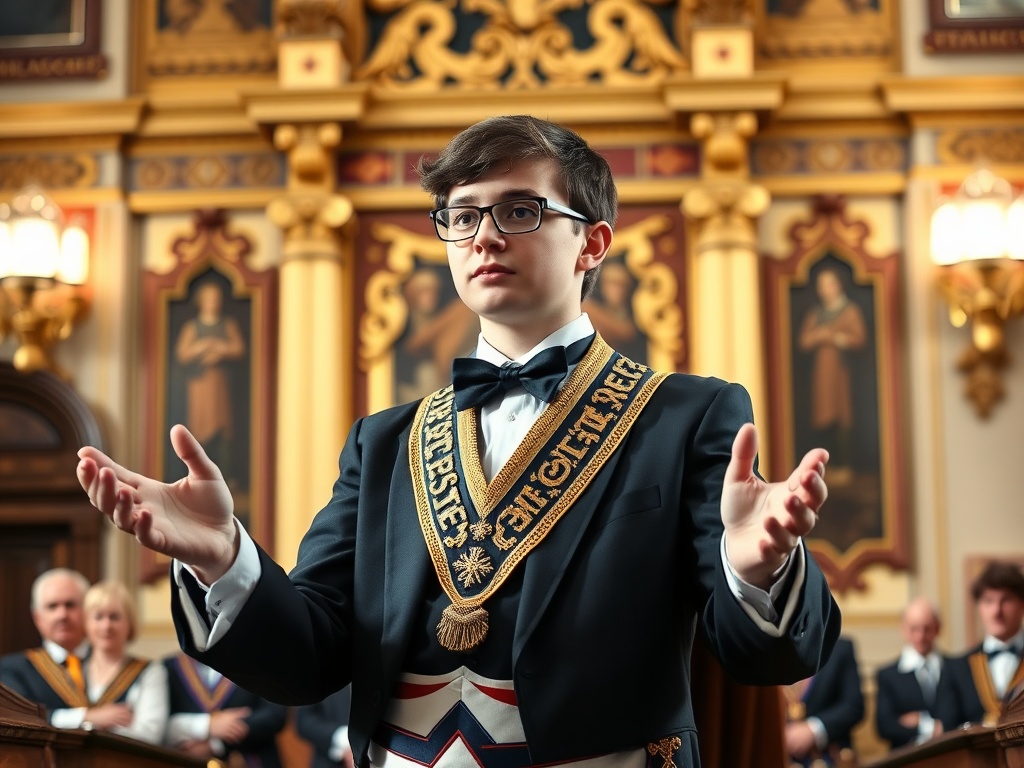
Master of Ceremonial Excellence
The Junior Master of Ceremonies serves as the conductor and guardian of proper ceremonial form, ensuring that all ritual work is executed with precision and reverence.
The Role of Ceremonial Director
The Junior Master of Ceremonies is, in essence, the conductor of the lodge's ceremonial orchestra. Just as a musical conductor ensures that all instruments play in harmony, the Junior Master of Ceremonies ensures that all participants in the ceremony know their positions, movements, and timing. This requires intimate knowledge of the ritual, clear communication, and the ability to maintain composure and authority throughout the ceremony.
The position demands someone who understands not merely the words of the ritual but the meaning and intention behind every gesture, every movement, and every symbolic action. The Junior Master of Ceremonies must be able to guide others through the ceremony with clarity and confidence, inspiring a sense of reverence and solemnity in all who participate.
Coordination with Senior Leadership
The Junior Master of Ceremonies works in close partnership with the Senior Master of Ceremonies and under the general direction of the Worshipful Master. This hierarchical structure ensures that all ceremonial work is conducted according to the highest standards and in complete harmony with the Master's vision for the lodge. The Junior Master of Ceremonies receives direction from senior officers and communicates this direction clearly to all participants.
This collaborative approach ensures that ceremonies are not conducted in an erratic or individualistic manner but rather represent the collective judgment and experience of the lodge's leadership. The Junior Master of Ceremonies gains invaluable experience in coordinating complex activities under pressure while maintaining focus on the sacred nature of the work being performed.
Qualities of an Exemplary Junior Master of Ceremonies
Exceptional Junior Masters of Ceremonies combine meticulous attention to detail with the ability to inspire and guide others. They possess deep knowledge of ritual work, physical grace and poise, clear communication skills, and a genuine commitment to enhancing the ceremonial experience for all lodge members. The best Masters of Ceremonies are both teachers and performers, understanding that their work directly influences how candidates experience and integrate Masonic teachings.
Precision
Attention to every detail of ceremony and protocol
Knowledge
Mastery of all ritual and ceremonial procedures
Authority
Ability to direct and guide with confidence
Grace
Dignified bearing and elegant ceremonial presentation
Core Responsibilities and Duties
The Junior Master of Ceremonies' responsibilities center on ensuring that all ceremonial work is conducted with proper form and meaningful reverence.
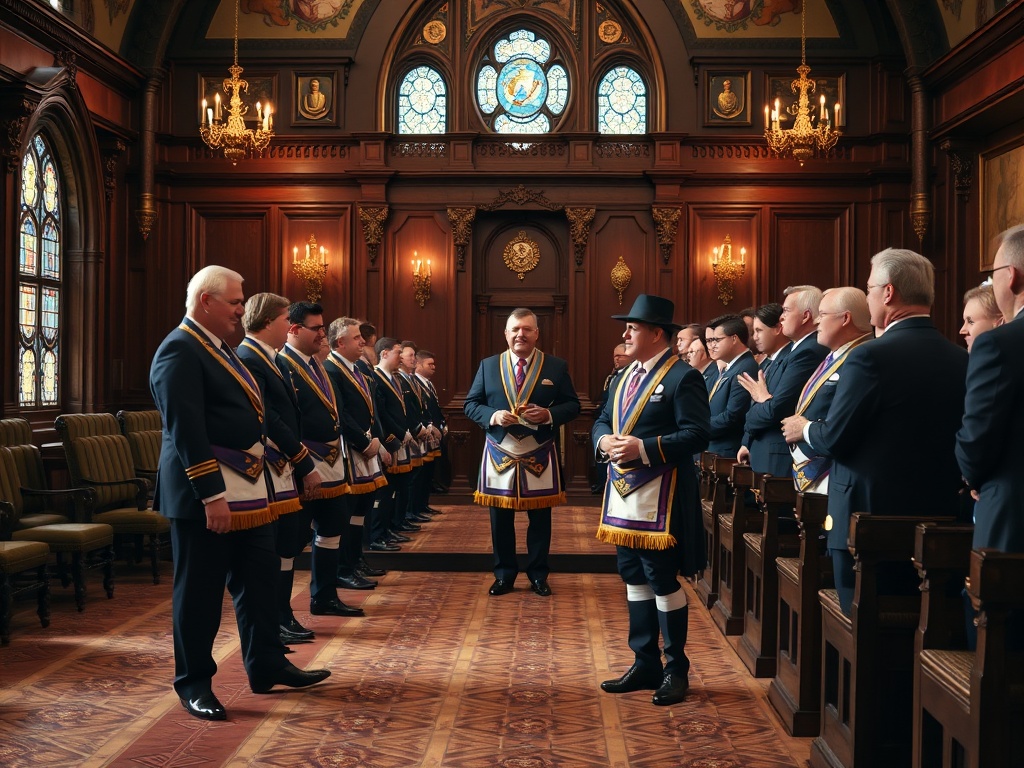
Directing All Ceremonial Processions and Movements
The Junior Master of Ceremonies is responsible for directing all ceremonial processions, including the opening and closing of the lodge, the movement of candidates during degree work, and all other formal processions. This requires knowledge of proper positioning, spacing, timing, and the symbolic significance of each movement. The Junior Master of Ceremonies must be able to communicate clearly through gesture, position, and voice, ensuring that all participants understand their role and execute their movements with precision and reverence.
Preparation of Candidates and Participants
Before any ceremony, the Junior Master of Ceremonies ensures that all participants understand what is expected of them. This includes briefing candidates on the procedures they will experience, instructing officers on their roles, and coordinating with the Senior Master of Ceremonies regarding any special considerations or adjustments needed. This preparation ensures that ceremonies proceed smoothly and that candidates enter the experience with some familiarity with what is expected.
Maintaining Ceremonial Decorum and Reverence
Throughout every ceremony, the Junior Master of Ceremonies watches for any breaches of proper decorum or deportment. If a participant becomes confused, the Junior Master of Ceremonies guides them back on track with subtle signals or whispered instructions. If the pace becomes too rushed or the reverence seems to be slipping, the Junior Master of Ceremonies can signal the presiding officer or adjust the flow to restore the proper atmosphere. This ongoing vigilance maintains the sacred character of the work being performed.
Coordinating with the Senior Master of Ceremonies
The Junior Master of Ceremonies works in tandem with the Senior Master of Ceremonies, who oversees the broader ceremonial strategy and coordinates with the presiding officers. The Junior Master of Ceremonies handles the operational details of ceremony execution, while the Senior Master ensures that all work aligns with the Master's vision and Masonic standards. This partnership allows each officer to focus on their area of expertise while maintaining overall harmony.
Training and Mentoring Other Officers
As someone highly skilled in ceremonial procedure, the Junior Master of Ceremonies often serves as a teacher and mentor to other officers who are learning their roles. By patiently explaining proper procedures and helping newer officers understand the significance of what they are doing, the Junior Master of Ceremonies helps develop the next generation of competent lodge leaders. This educational role ensures that the lodge maintains high standards across multiple officer positions.
Adapting to Challenges and Special Circumstances
Even the most carefully planned ceremony may encounter unexpected challenges—a participant becomes ill, a candidate forgets their part, or an interruption occurs. The Junior Master of Ceremonies must be able to think quickly and adapt to these circumstances while maintaining the flow and reverence of the ceremony. This ability to maintain composure and find solutions under pressure is a hallmark of an experienced and skilled Junior Master of Ceremonies.
Development and Mastery
Becoming a skilled Junior Master of Ceremonies requires dedication to learning and continuous refinement of knowledge and skills.
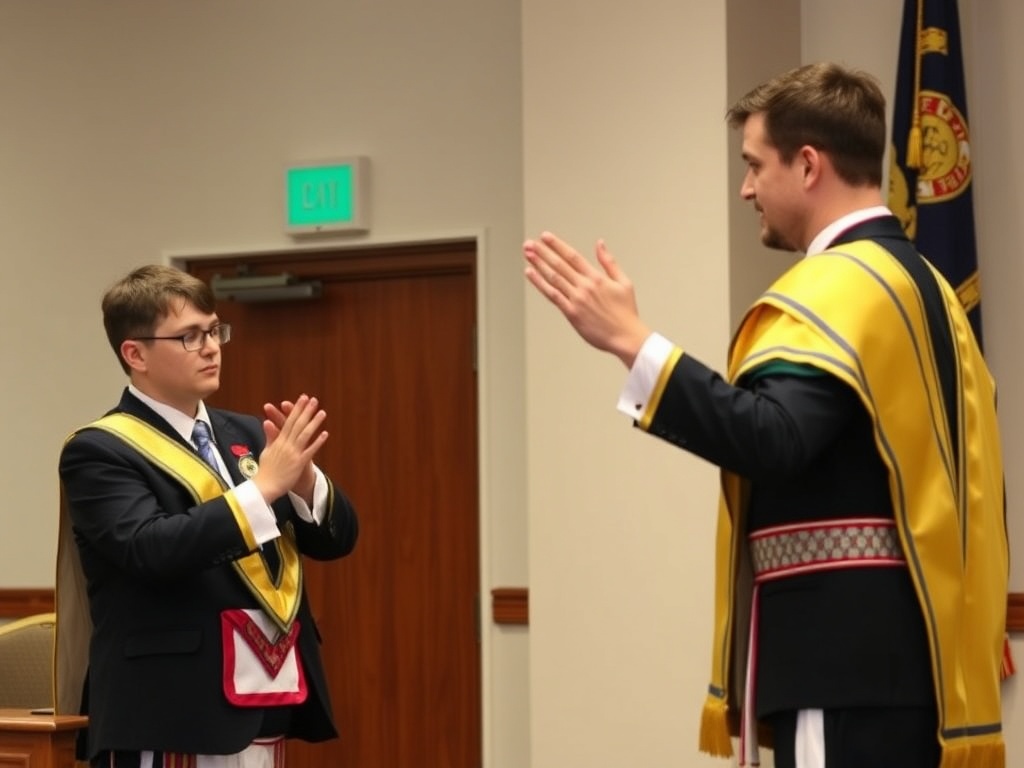
Path to Mastery
Most Junior Masters of Ceremonies begin their journey as junior officers or stewards, gaining experience and learning the fundamentals of ceremony and protocol. Over time, through attendance at schools of instruction, study with experienced Masters of Ceremonies, and practical experience directing ceremonies, they develop the knowledge and skills necessary for the position. This gradual progression ensures that those who hold the position are truly prepared for its demands.
The transition from apprentice to master in this role typically takes several years of consistent dedication. During this time, the developing Master of Ceremonies learns not just the mechanics of ceremony but gains an appreciation for its deeper significance and learns how to infuse ceremonies with reverence and meaning.
Continuing Education
Even experienced Junior Masters of Ceremonies continue to study and refine their craft. They attend Grand Lodge schools of instruction, study published works on ceremonial procedure, consult with senior Masters of Ceremonies, and reflect on their own experiences to identify areas for improvement. This commitment to continuous learning keeps them sharp and ensures that ceremonies improve and evolve in appropriate ways.
Many Junior Masters of Ceremonies also serve as instructors themselves, teaching newer officers and sharing their knowledge for the benefit of the whole fraternity. This role as both learner and teacher creates a cycle of continuous improvement that strengthens Masonry as a whole.
Satisfaction and Meaning
Junior Masters of Ceremonies report profound satisfaction from their work. Watching a candidate experience a beautifully conducted ceremony that moves them deeply, seeing a nervous officer gain confidence through proper guidance, or knowing that one's own skill and dedication contributed to a meaningful Masonic experience—these rewards sustain the Master of Ceremonies through the considerable demands of the position. Many consider their service in this role to be among their most meaningful Masonic experiences.
Explore Other Lodge Officers
Learn about other officers and roles within the Masonic lodge structure.
Worshipful Master
The supreme leader and chief executive officer of the lodge.
Learn More →Senior Master of Ceremonies
The principal coordinator of all lodge ceremonial work.
Learn More →Tyler
The guardian and protector of the lodge entrance and sacred work.
Learn More →Pursuivant
The ceremonial officer and usher who guides members through lodge ceremonies.
Learn More →