The Master Mason Degree
Completion and perfection: the culminating degree where the Mason achieves mastery and becomes a full member of the fraternity.
The Master Mason degree is the third and final degree of the craft of Freemasonry. Upon receiving this degree, you become a complete Mason, recognized as a full member of the fraternity with all the privileges and responsibilities that status entails. This degree is the most profound and spiritually significant of the three degrees, dealing with themes of mortality, transcendence, and the eternal nature of truth and virtue. The Master Mason degree represents the culmination of your journey from the rough stone through progressive stages of refinement to the perfect, polished ashlar.
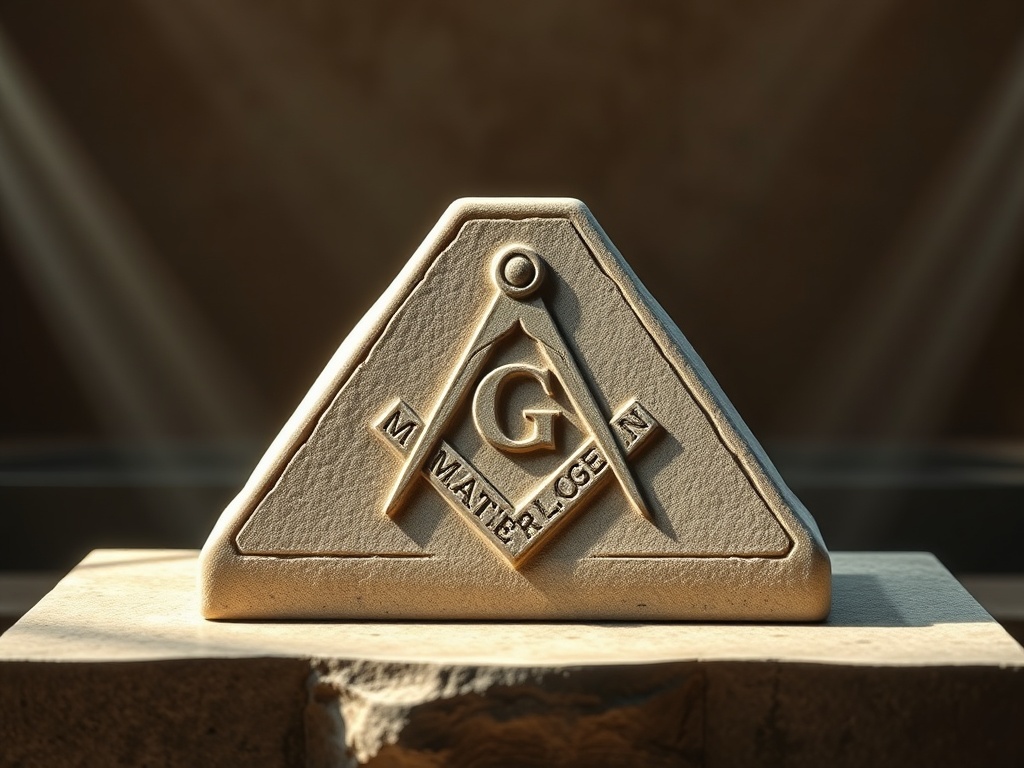
Understanding the Master Mason Degree
The Master Mason degree represents the achievement of mastery and the completion of the Masonic journey.
Mastery and Completion
A Master Mason is a craftsman who has achieved mastery of the craft. He is no longer learning basic skills but has developed sufficient knowledge and experience to be recognized as a complete practitioner. In the context of Freemasonry, mastery refers not to the control of external circumstances but to the development of spiritual wisdom and moral authority that comes from deep understanding and practice.
The Master Mason represents the culmination of the candidate's journey from the rough ashlar (unpolished stone) through the stages of being shaped and refined to becoming the perfect ashlar (polished stone). This transformation is not merely symbolic; it represents the genuine development of character, wisdom, and virtue that has occurred through the candidate's progression through the degrees.
Full Membership
Upon becoming a Master Mason, the candidate becomes a full member of the fraternity with all rights and privileges. He can attend all meetings and participate in all discussions. More importantly, he assumes the responsibility of helping guide newer candidates and assisting in the governance and welfare of the lodge. The Master Mason is trusted with knowledge that is shared only with fully initiated members.
This elevated status comes with increased responsibility. Master Masons are expected to uphold the highest standards of conduct and to serve as exemplars of the principles of Freemasonry. Many of the lodge's officers are elected from among the Master Masons, reflecting the trust placed in those who have demonstrated their commitment and understanding.
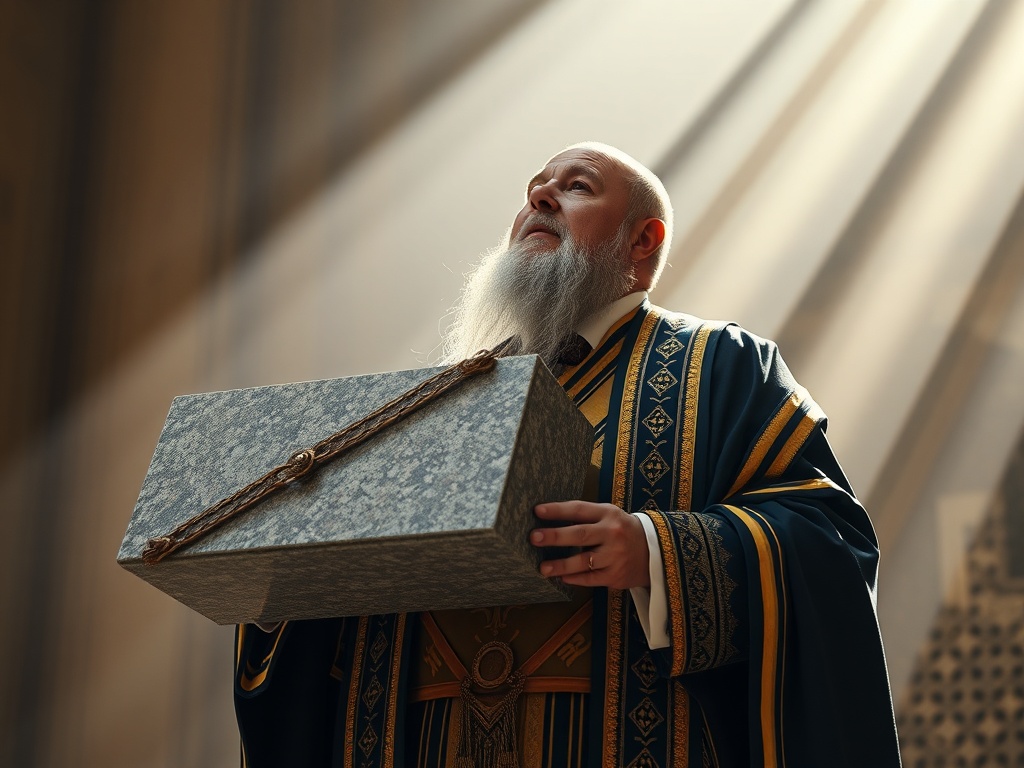
Central Themes of the Master Mason Degree
Mortality and Transcendence
The Master Mason degree deals directly with the reality of human mortality. Rather than avoiding this uncomfortable truth, Freemasonry teaches that understanding mortality leads to wisdom and helps us recognize what truly matters in life. The degree teaches that while the body is temporary, spiritual truth is eternal.
Eternal Truth
Through the Master Mason degree, the candidate discovers that the truths taught in Freemasonry transcend individual lives and circumstances. These truths are eternal, available to all seekers regardless of time or place. This understanding connects the individual Mason to an unbroken chain of seekers stretching back through history.
Resurrection and Renewal
The degree uses the symbolism of death and resurrection to represent spiritual transformation. Just as the candidate has metaphorically died to his old self in previous degrees, the Master Mason degree completes the process of transformation, representing the emergence of the new, enlightened self.
Perfect Ashlar
The perfect ashlar represents the completed work—the polished, refined stone ready to take its place in the great edifice of creation. It symbolizes the perfected Mason, one who has developed his talents, refined his character, and become a useful member of society and the brotherhood.
The Profound Mysteries
The Master Mason degree introduces the candidate to the deepest teachings of Freemasonry.
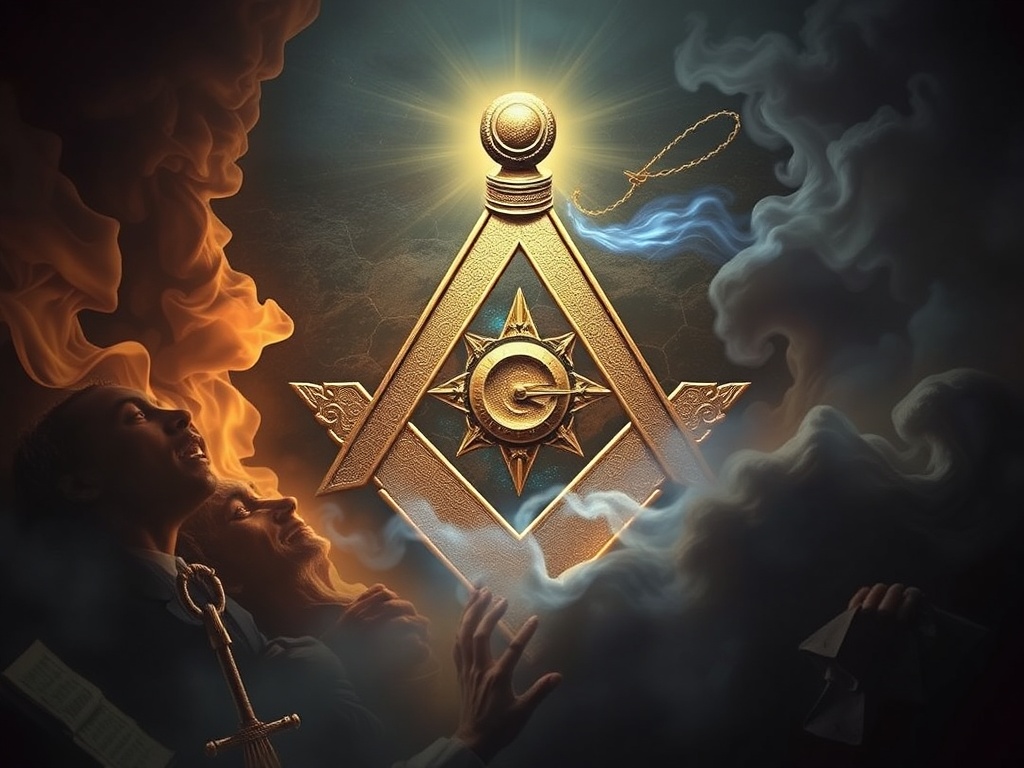
The Lost Word
A central element of the Master Mason degree is the teaching concerning "the Lost Word." This word, according to Masonic tradition, was known to the ancient architects and master masons and contained within it profound spiritual knowledge. The loss of the word represents the separation of humanity from divine wisdom, while the search for the word represents the eternal quest for truth and connection with the divine.
The degree teaches that while the original word may be lost, the truths it represents are available to all seekers who dedicate themselves to the work of self-improvement and spiritual development. The search for the word becomes a metaphor for the human journey toward enlightenment.
The Master Mason degree uses ritual drama to enact the search for the lost word, engaging the candidate emotionally and spiritually in the great themes of loss, search, and spiritual discovery. This ritual experience is often described by Master Masons as the most moving and profound experience of their Masonic journey.
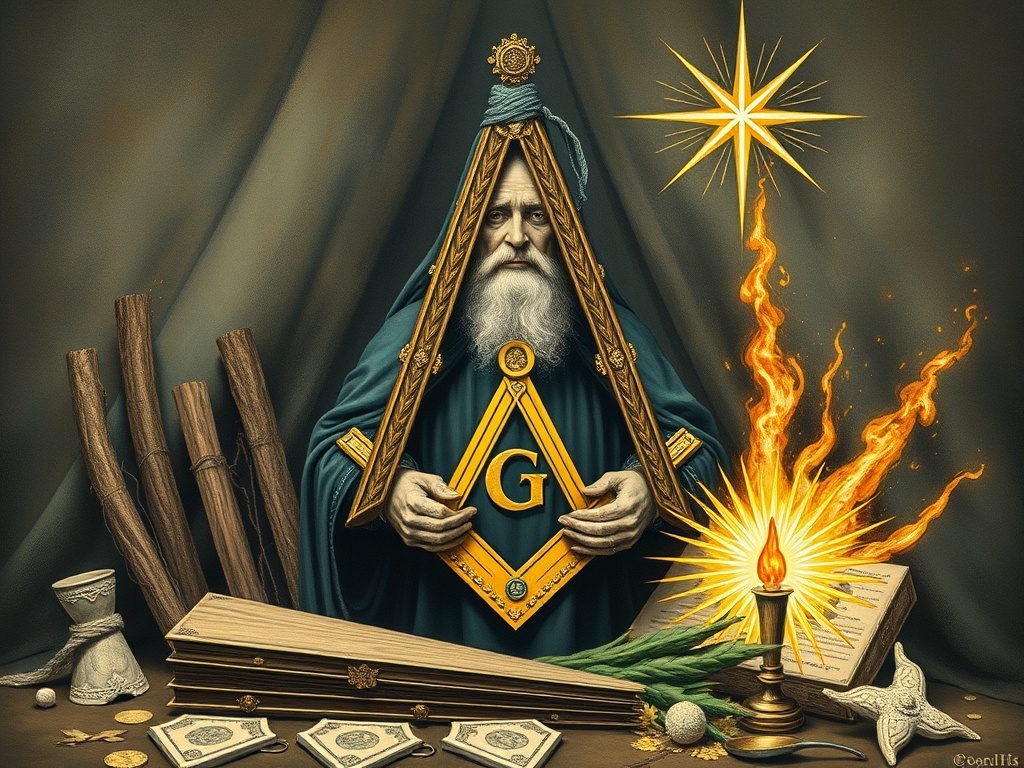
Immortality of the Soul
The Master Mason degree teaches the immortality of the soul and the continuity of spiritual consciousness beyond physical death. While respecting the diverse religious beliefs of its members, Freemasonry teaches that the spiritual essence of the individual continues beyond the dissolution of the physical body. This teaching provides comfort in the face of mortality and encourages focus on spiritual rather than material concerns.
The degree emphasizes that the true measure of a life is not its duration but its quality—not how long one lives but how well one lives. It encourages Master Masons to focus their energy on virtue, truth, and service to others, knowing that these are the only lasting contributions one can make.
Universal Brotherhood
The Master Mason degree reinforces the teaching that all humanity is bound together in brotherhood. The degree teaches that the Mason's responsibility extends beyond his immediate lodge and country to embrace all of humanity. This universal perspective is one of Freemasonry's most profound teachings and calls Master Masons to work toward justice, peace, and the elevation of all people.
The degree emphasizes that Masonic principles are not meant to be confined within the lodge but should be lived in the world, influencing how the Mason conducts his affairs, treats others, and contributes to society.
Key Symbols of the Master Mason Degree
The Master Mason degree employs the most profound and spiritually significant symbols of Freemasonry.
The Perfect Ashlar
The smooth, polished stone that has been refined and perfected through careful work. Represents the completed Mason—one whose character has been developed, whose talents have been cultivated, and who has become a useful and perfected member of the fraternity.
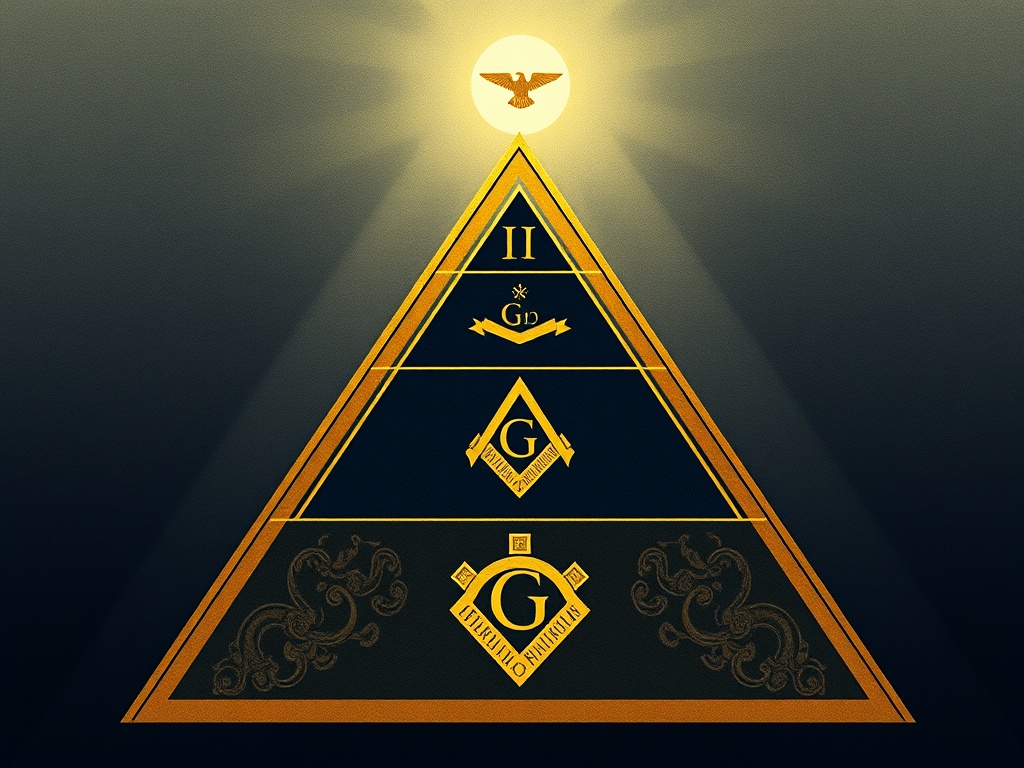
The Letter G
In the Master Mason degree, the letter G is understood to represent God or the Grand Architect of the Universe—the supreme creative principle underlying all existence. It represents divine wisdom and the ultimate source of all truth and knowledge.
The Square and Compass with the G
The square and compass, with the letter G at the center, represents the union of human knowledge (the square and compass) with divine wisdom (the letter G). It represents the complete understanding available to the Master Mason.
The Coffin and the Sprig of Acacia
These symbols represent mortality and the eternal nature of truth. The coffin represents human mortality; the sprig of acacia represents the eternal, imperishable nature of virtue and truth that survive beyond death.
The Blazing Star
Represents divine light and heavenly inspiration. It guides the Mason toward truth and reminds him that light comes from above, connecting earthly knowledge with celestial wisdom.
The Three Steps
In the Master Mason degree, the three steps represent the completion of the journey through the three degrees, and also the progression from youth through maturity to age—the full cycle of human life.
The Ritual Experience
The Master Mason degree is the most elaborate and emotionally powerful of the three degrees.
The Master Mason degree is widely recognized as the most profound and moving ritual experience in Freemasonry. It deals directly with the fundamental human concern of mortality and presents spiritual teachings on how to live meaningfully in the face of death. The ritual is far more than an intellectual exercise; it is an emotional and spiritual journey that leaves most Master Masons profoundly moved.
The ritual employs vivid imagery and symbolic action to convey teachings about loss, search, restoration, and spiritual transformation. The candidate is led through experiences that are not merely theatrical but genuinely transformative, engaging the whole person—body, mind, and spirit—in the act of learning.
Many Master Masons describe the Master Mason degree as a watershed experience—a moment after which their understanding of themselves, their place in the world, and the meaning of life has fundamentally changed. This degree represents the culmination of the Masonic journey and often launches Master Masons into deeper study and exploration of Masonic philosophy and higher degrees.
A Note on Masonic Secrecy
It is important to note that while we can speak generally about the themes and teachings of the Master Mason degree, the specific details of the ritual are known only to Master Masons. This tradition of protecting the details of the ritual is an important part of Freemasonry. The secrecy of the ritual is not intended to hide anything unethical or harmful, but rather to preserve the impact and meaning of the experience for those who undergo it. The discipline of not revealing the details of the ritual strengthens the bonds of brotherhood among Master Masons and ensures that each candidate experiences the degree with the emotional and spiritual freshness that it deserves.
Life as a Master Mason
Becoming a Master Mason is not an ending but a beginning—the start of a lifetime of Masonic engagement and development.
Continued Learning
Most Master Masons discover that receiving the three degrees is not a completion but a beginning. Many go on to study higher degrees in the York Rite, Scottish Rite, and other Masonic systems. Others focus their attention on deepening their understanding of the three degrees, which contain more wisdom than any individual can exhaust in a lifetime.
The study of Masonic philosophy, the meanings of symbols, the relationship between Freemasonry and history, science, and spirituality—all of these offer endless avenues for exploration and development.
Service and Leadership
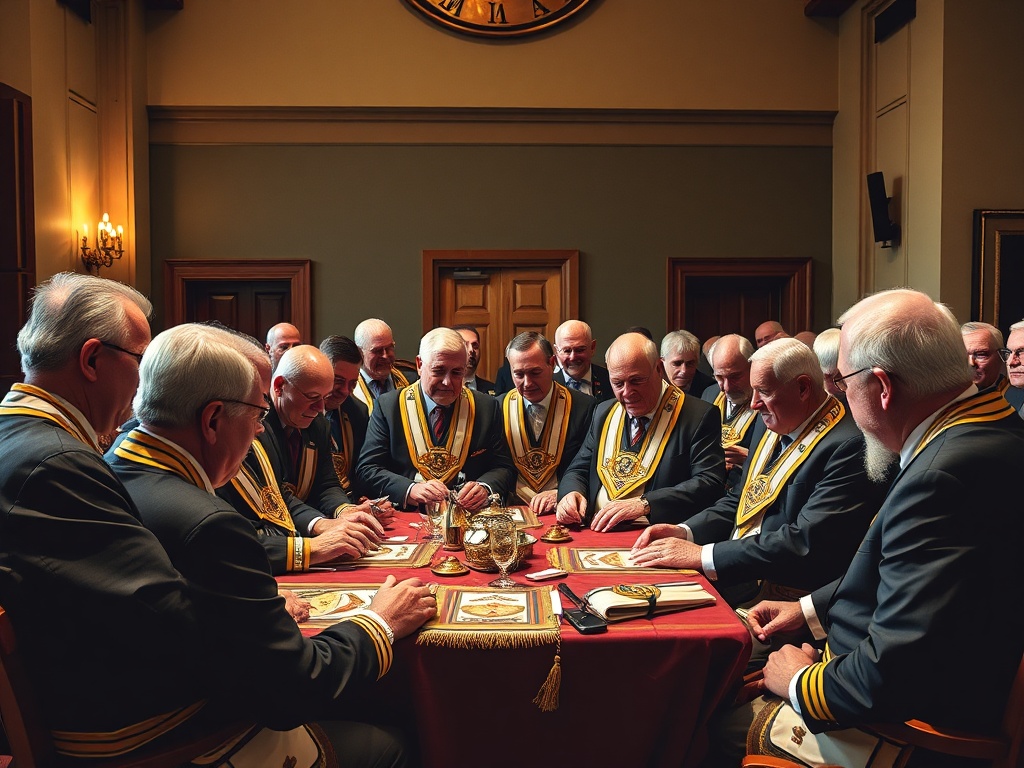
As a Master Mason, you become eligible for election to the offices of the lodge. Through these offices, you guide the lodge, oversee the conferring of degrees, and ensure that Masonic traditions are preserved and passed on to new generations. This leadership role is one of the great honors and responsibilities of Masonry.
Many Master Masons also engage in charitable work, community service, and educational projects that express the Masonic principles of relief and truth in concrete ways.
Brotherhood and Fellowship
As a Master Mason, you are part of a fraternity that extends across the world and throughout history. Master Masons share a common understanding and commitment that transcends differences of religion, politics, nationality, and social status. This brotherhood provides profound opportunities for friendship, mutual support, and shared purpose.
Many Master Masons report that some of their deepest friendships are with their Masonic brothers, formed through shared experience and common commitment to Masonic principles.
Personal Transformation
Perhaps most importantly, Master Masons report that Freemasonry has transformed their lives—deepening their character, broadening their understanding, and connecting them to something larger than themselves. The journey from rough stone to perfect ashlar is a real transformation that continues throughout the Mason's life.
Many Master Masons view their entrance into Freemasonry as a pivotal point in their lives, marking a before and after in their personal development and spiritual journey.
Complete Your Understanding
Explore the earlier degrees to understand the journey that leads to mastery.