The Entered Apprentice Degree
The foundation of Freemasonry: where the journey toward enlightenment begins and the candidate takes the first sacred step into the mysteries of the craft.
As an Entered Apprentice, you stand at the threshold of a profound transformation. This first degree introduces the fundamental principles of Freemasonry, the structure of the lodge, and the basic teachings that will guide your journey toward wisdom, virtue, and enlightenment. The Entered Apprentice degree is not merely an initiation into an organization, but an invitation to begin a sacred work of self-improvement and spiritual development.

Overview of the First Degree
The Entered Apprentice degree establishes the foundation upon which all subsequent Masonic instruction is built.
The Meaning of "Entered"
The term "Entered" means that the candidate has been formally admitted into the lodge and has taken the solemn oaths and obligations required of a Freemason. This is the official point of entry into the fraternity. Unlike many organizations where membership is awarded, in Freemasonry the candidate is actively "entered" through a ritual process that marks the beginning of his Masonic journey.
To be "entered" is to be initiated—to cross the threshold from the profane (non-Masonic) world into the sacred precincts of the lodge. This entrance is not taken lightly; it is preceded by careful examination and is followed by solemn obligations that bind the candidate to the principles and teachings of Freemasonry.
The State of the Candidate
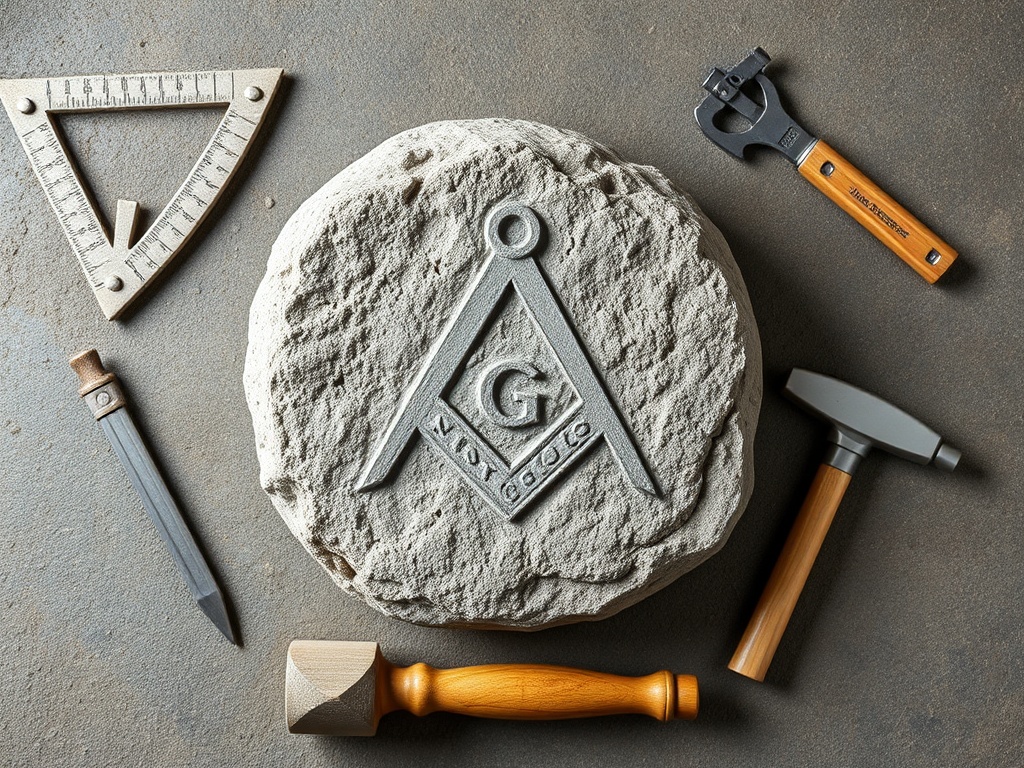
The Entered Apprentice degree uses the powerful symbol of the "rough ashlar" (rough, unpolished stone) to represent the candidate's state. Just as a rough stone fresh from the quarry must be shaped and polished by the mason's tools, so too must the candidate be refined through Masonic education, discipline, and spiritual practice.
The candidate enters as an unfinished stone—full of potential but requiring work. The degree teaches that this rough state is not shameful but rather the necessary beginning of all true development. It represents the raw human potential that, through dedication and effort, can be transformed into something refined and perfect.

Central Themes of the Entered Apprentice Degree
1. The Journey Begins
The Entered Apprentice degree marks the beginning of a sacred journey. The candidate is not presented with the entire path at once but rather invited to take the first step with faith and commitment. This degree teaches that all great achievements begin with a single step and that the first steps are the most formative.
2. The Three Great Lights
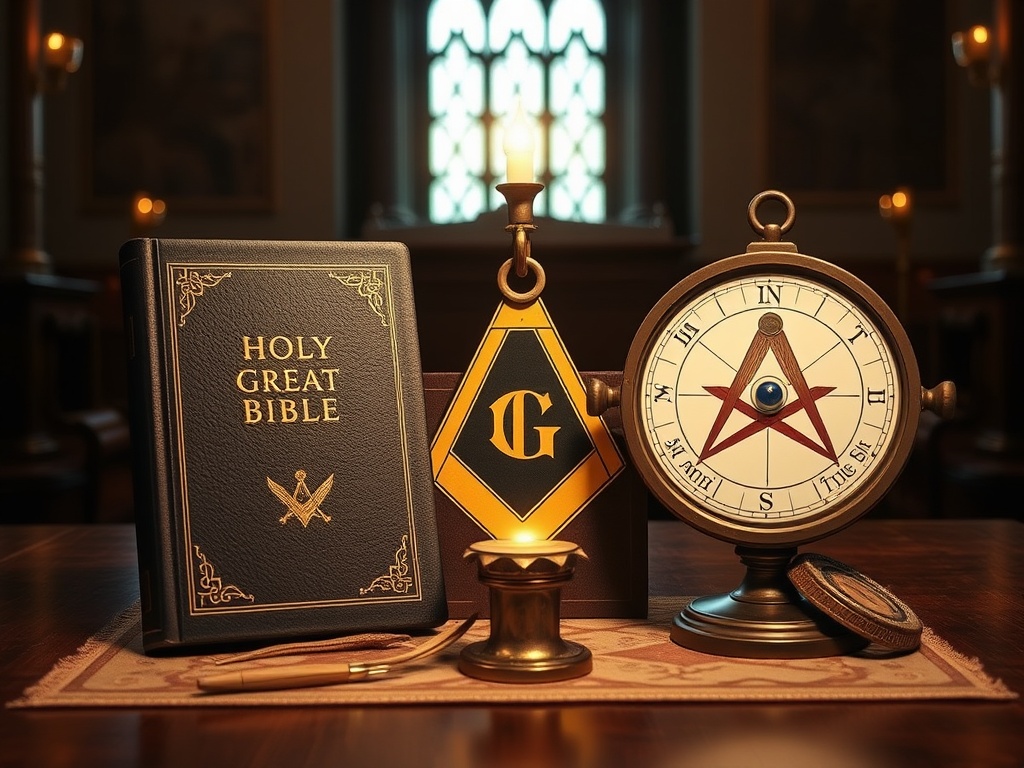
The candidate is introduced to the three great lights of Masonry: the Holy Bible (or sacred text of the candidate's faith), the Square, and the Compass. These represent the will of God, virtue, and universal truth. They illuminate the path of every Freemason and serve as the foundations of Masonic morality.
3. The Three Great Pillars
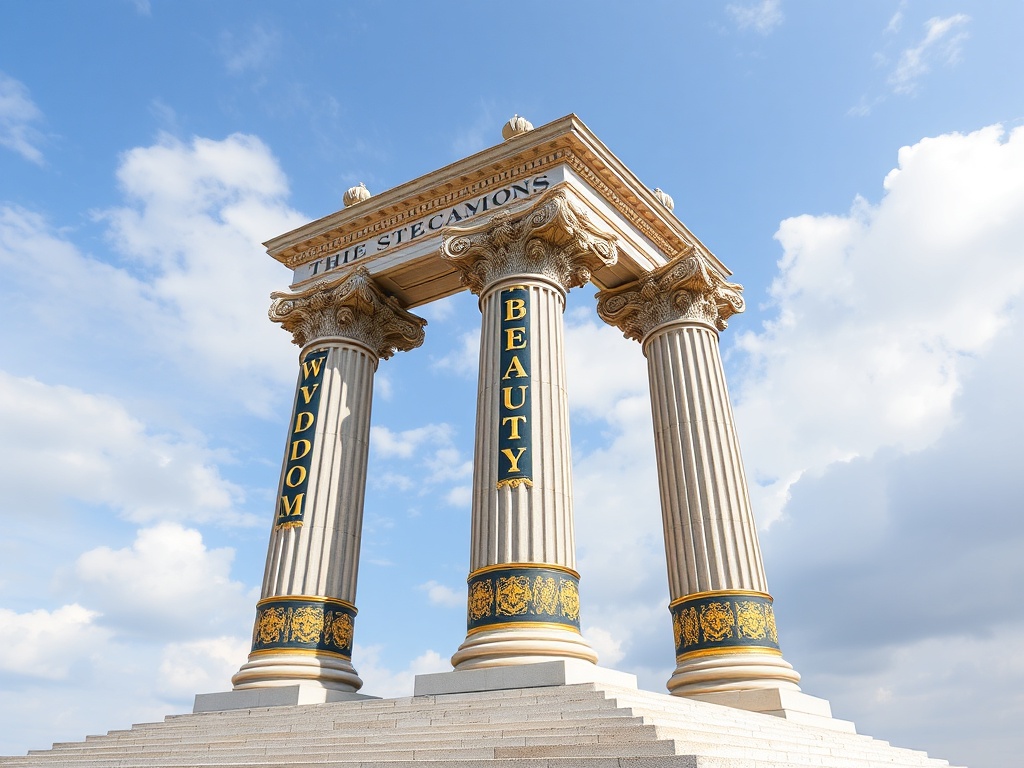
The candidate learns of the three great pillars of Freemasonry: Wisdom, Strength, and Beauty. These virtues are represented by symbolic figures and are essential to the candidate's understanding of Masonic principles. They represent the qualities necessary for both the construction of material buildings and the construction of a virtuous life.
4. Brotherly Love and Fellowship
The Entered Apprentice degree emphasizes the bond of brotherhood that unites all Freemasons. The candidate learns that Masonry transcends differences of religion, politics, wealth, and social status. All are brothers in the pursuit of virtue and enlightenment, and the lodge is a sanctuary where this brotherhood can flourish.
The Ritual Experience
The Entered Apprentice degree is conferred through an elaborate ceremony that engages the candidate emotionally, intellectually, and spiritually.

The Journey Through Darkness and Light
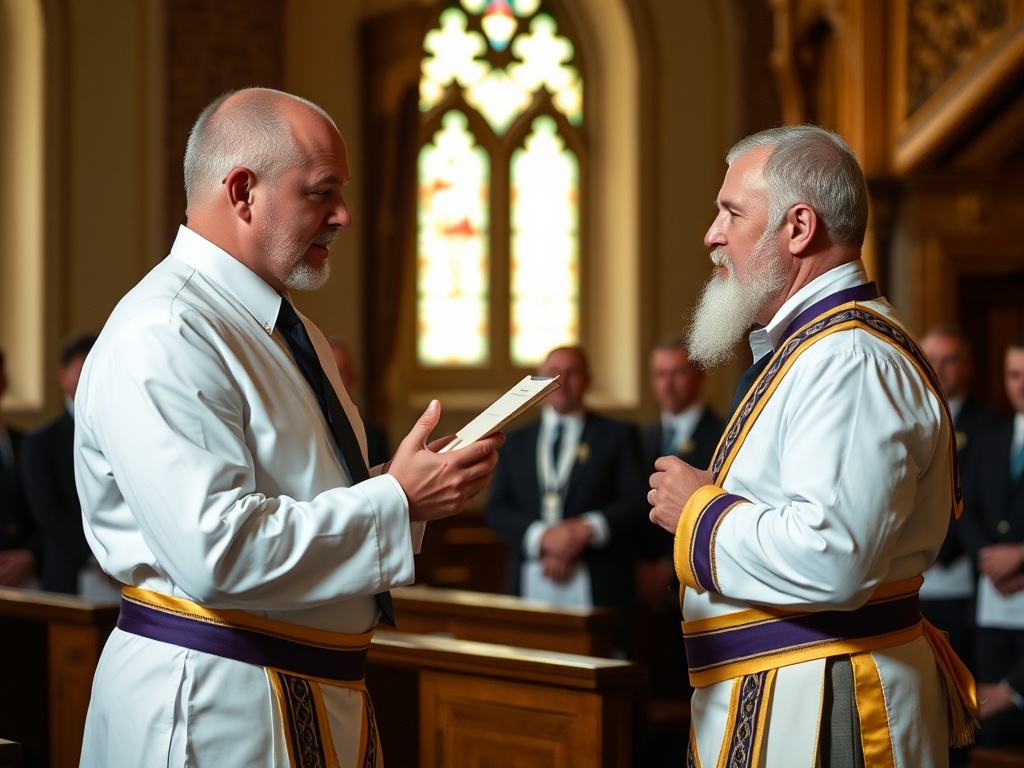
A central element of the Entered Apprentice degree is the candidate's symbolic journey through darkness toward light. The darkness represents ignorance and the profane state of the world. The journey represents the candidate's quest for truth and enlightenment. As the candidate progresses through the ritual, he gradually moves toward the light of the lodge, symbolizing the first glimmers of Masonic knowledge and understanding.
This journey is not merely symbolic; it is an intensely felt experience that changes the candidate's understanding of himself and his place in the world. By passing through darkness toward light, the candidate experiences the spiritual transformation that is at the heart of the Masonic mystery.
The Obligations and Oaths
During the Entered Apprentice degree, the candidate takes solemn oaths and obligations that bind him to the principles of Freemasonry. These oaths are not taken lightly; they represent a serious commitment to uphold the principles of the craft and to treat fellow Masons with respect, honor, and loyalty.
The obligations cover such matters as keeping the secrets of Freemasonry, treating brothers with kindness and support, maintaining the integrity of the lodge, and pursuing a life of virtue and personal development. By taking these oaths, the candidate becomes bound to a fraternity that stretches across the world and throughout history.
These obligations are not burdensome; rather, they represent the candidate's willing acceptance of responsibility for his own moral development and for his participation in the great work of Freemasonry.
Symbolic Tools and Instruments
The Entered Apprentice degree introduces the candidate to the primary working tool of the first degree: the gavel. The gavel represents the power to shape and refine, just as it is used by masons to shape stone. In the context of the degree, the gavel symbolizes the power of will and discipline that the candidate must cultivate in order to refine himself and overcome his rough edges.
The candidate also learns about other fundamental tools of Masonry: the square (representing morality and right angles), the compass (representing circumscription and the ability to set boundaries), and others. These tools are not merely symbolic; they represent actual implements of the craft that will be studied more deeply as the candidate advances.
Key Symbols of the Entered Apprentice Degree
These symbols carry profound meanings that the Entered Apprentice begins to understand.
The Rough Ashlar
The rough, unpolished stone represents the candidate in his unfinished state. It symbolizes raw potential, the rough edges of human nature that need to be refined, and the starting point of all Masonic work. As the candidate progresses, he moves from being a rough stone toward becoming a perfect, polished ashlar.
The Checkered Pavement
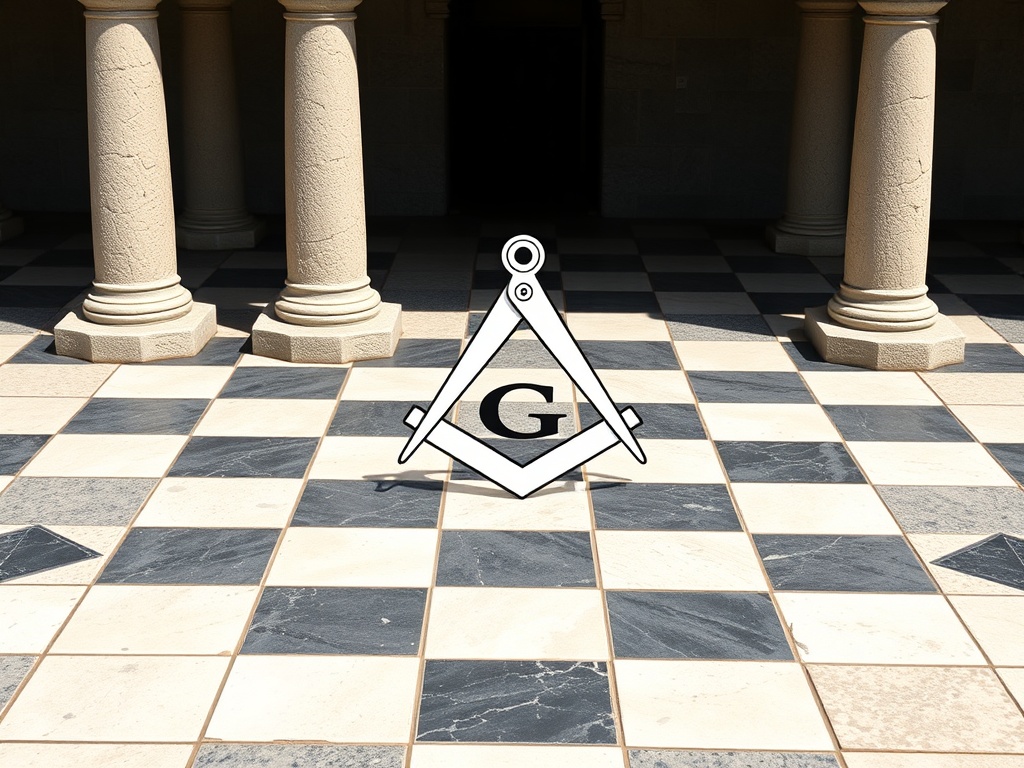
The floor of the lodge features a checkered pattern of black and white squares. This represents the duality of nature—light and darkness, good and evil, right and wrong. It reminds Masons that the world contains both light and darkness, and that wisdom lies in understanding and balancing these opposing forces.
The Pillars Jachin and Boaz
These two pillars stand at the entrance to the lodge and are named "Jachin" (He shall establish) and "Boaz" (In strength). Together, they represent the duality of creation and the strength and stability that support the spiritual temple. They also symbolize the balance of opposing forces necessary for order and harmony.
The Letter G
The letter G appears in the center of the square and compass and represents either God (as the creative principle) or Geometry (as the science of measurement and proportion). This dual meaning reflects the Masonic understanding that divine knowledge can be discovered through mathematical and geometric principles.
The Three Steps
A symbolic staircase with three steps represents the progression through youth, maturity, and age—or initiation, advancement, and completion. The candidate is reminded that progress requires time, effort, and dedication, and that each step must be taken before moving to the next.
Light and Darkness
The central journey of the degree involves movement from darkness (ignorance) toward light (knowledge and truth). This symbolizes the transformation of consciousness that occurs when the candidate embraces Masonic teachings and begins to see the world with new understanding.
What the Entered Apprentice Learns
The first degree provides essential knowledge and understanding that serves as the foundation for all future Masonic development.
The Principles of Freemasonry
The Entered Apprentice learns the three fundamental principles of Freemasonry: Brotherly Love (treating all with kindness and respect), Relief (helping those in need), and Truth (seeking and living according to truth). These principles are not merely ideals but practical guides for living a virtuous life and contributing to the welfare of others.
The Structure of the Lodge
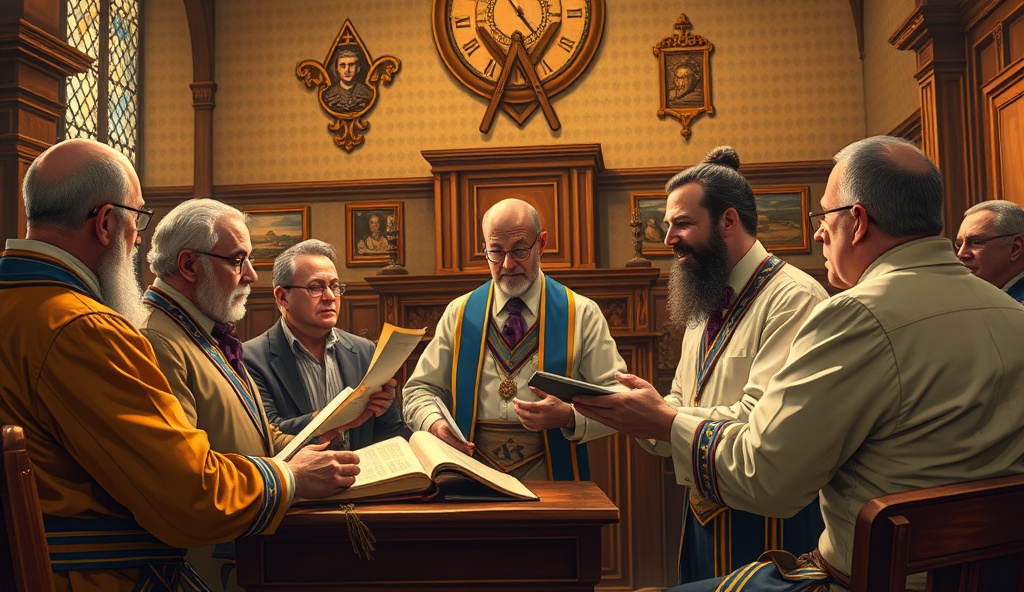
The candidate learns how the lodge is organized, the roles of various officers, and the proper conduct of lodge meetings. This knowledge is essential for understanding and participating in the work of Freemasonry. The structure of the lodge reflects principles of order, hierarchy, and mutual respect that characterize the fraternity.
Basic Masonic Geometry and Symbolism
The Entered Apprentice is introduced to the square and compass, the most fundamental Masonic symbols. He begins to understand how these geometric tools and the principles they represent apply to both the physical work of stonemasonry and the spiritual work of self-improvement. This introduction to geometric and symbolic thinking prepares the candidate for deeper studies to come.
The Responsibility of Brotherhood
Perhaps most importantly, the Entered Apprentice learns that he has entered into a brotherhood with obligations and responsibilities. He learns that being a Freemason is not a passive status but an active commitment to support his brothers, maintain the integrity of the lodge, and work toward his own moral and spiritual development. This understanding forms the foundation of the deep bonds that unite Freemasons across the world.
Continue Your Journey
After completing the Entered Apprentice degree, you are prepared to advance to the next stage of Masonic development.