The Junior Warden
The gateway to leadership: the Junior Warden serves as the second officer of the lodge, guides new initiates, and begins the sacred progression toward higher Masonic offices.
The Junior Warden stands as the second principal officer of every Masonic lodge, serving a role of vital importance to the lodge's educational mission and the development of new candidates. This position represents the beginning of the formal leadership progression known as "the line," where worthy Masons advance through increasingly responsible roles. The Junior Warden is both a ceremonial officer and a mentor—guiding the first-degree candidates through their initiation into Freemasonry while supporting the Senior Warden and Worshipful Master in the lodge's essential work.
The Role and Significance
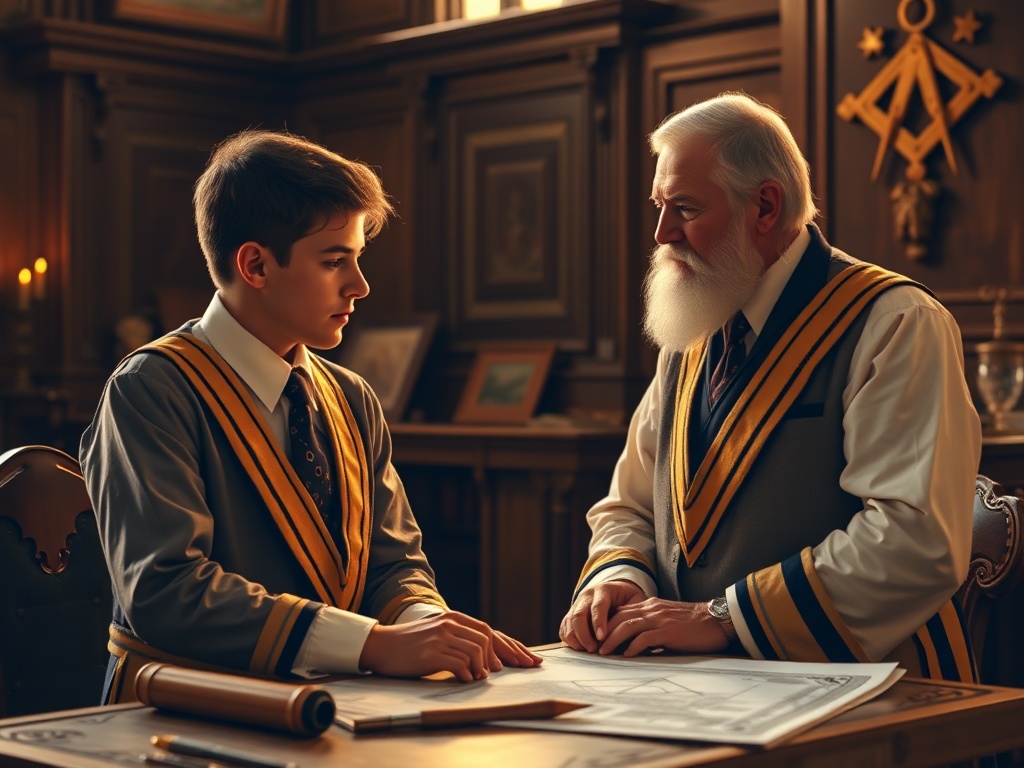
The Junior Warden occupies a unique position in lodge government—bearing ceremonial responsibilities while also serving as the principal guide for newly initiated Freemasons.
What Is a Junior Warden?
The Junior Warden is the second of the three principal officers of a Masonic lodge. Elected annually by the members, this officer presides over the first section of degree work and bears primary responsibility for the preparation and initiation of candidates into the Entered Apprentice degree. The position combines ceremonial importance with educational leadership.
In the symbolic structure of the lodge, the Junior Warden represents the beginning of the officer progression. Those who serve faithfully in this position gain the experience, knowledge, and demonstrated merit necessary to advance to the Senior Warden, and eventually to the highest office of Worshipful Master. The Junior Warden is not a position to be hastily assumed but rather one earned through proven dedication to Masonic principles.
Position in the Lodge Hierarchy
The Junior Warden occupies the station of the South in lodge meetings, a position of significant ceremonial and symbolic importance. From the South, the Junior Warden oversees the first section of degree work, presiding over the initial stages of the Entered Apprentice ceremony. This role establishes the quality of a candidate's first experience as a Freemason.
Standing below the Senior Warden and the Worshipful Master in the officer hierarchy, the Junior Warden reports directly to the Senior Warden and supports the Senior Warden in assuming the Master's duties when necessary. This positioning on the ladder of advancement makes the Junior Warden the natural successor to the Senior Warden position, creating a continuous chain of leadership development within the lodge.
The Sacred Trust of the Junior Warden
The election of a Mason to the Junior Warden position represents a significant acknowledgment from his brothers that he possesses the qualities necessary for leadership. This is not merely an administrative appointment but a sacred trust—the lodge is placing in his hands the formation of new initiates and the perpetuation of Masonic traditions. A Junior Warden who takes this responsibility seriously understands that he is shaping the future of Freemasonry through his guidance and example.
Character
Chosen for demonstrated integrity, devotion to Masonic principles, and exemplary conduct
Knowledge
Must thoroughly understand the ritual, symbolism, and teachings of the first degree
Dedication
Willing to invest considerable time and effort in lodge work and candidate preparation
Core Responsibilities and Duties
The Junior Warden carries out essential functions that directly impact the quality and continuity of Masonic education and practice within the lodge.
Conferring the Entered Apprentice Degree
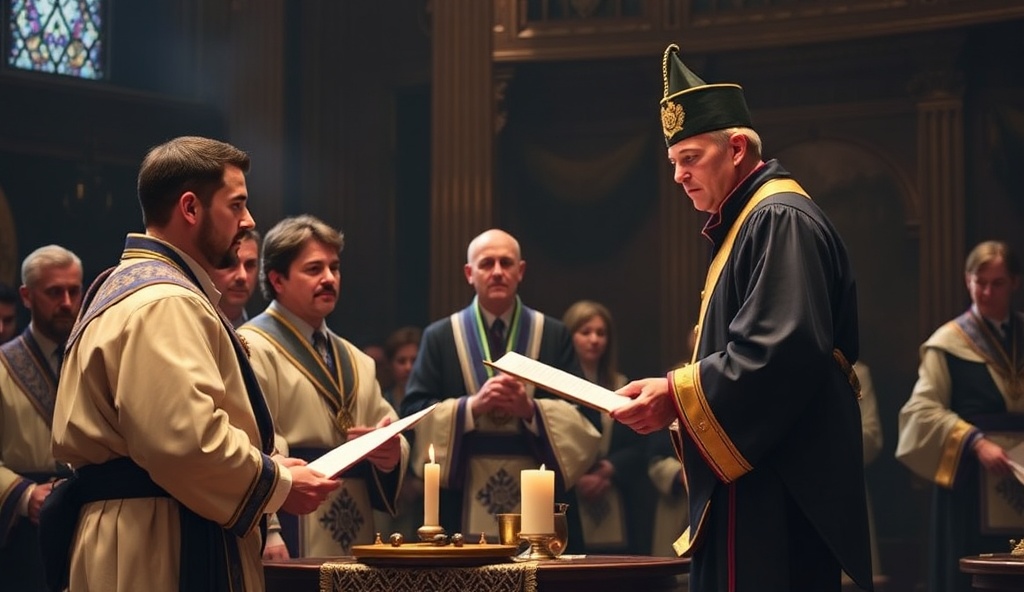
The primary ceremonial responsibility of the Junior Warden is presiding over the conferral of the Entered Apprentice degree. Working alongside the Worshipful Master and other lodge officers, the Junior Warden guides candidates through the ritual, explanations, and symbolic teachings of the first degree. This requires not only precise knowledge of the ritual but also the ability to create an atmosphere of solemnity, reverence, and enlightenment. A skilled Junior Warden understands that this degree ceremony should be a transformative experience that establishes the foundation for the candidate's entire Masonic journey.
Preparing and Supporting Candidates
Beyond the ceremony itself, the Junior Warden bears responsibility for the preparation and ongoing support of first-degree candidates. This includes meeting with candidates before their initiation, explaining what they can expect, answering their questions, and ensuring they are mentally and spiritually prepared for the experience. After initiation, the Junior Warden continues to guide these new Masons, helping them understand the meaning of the teachings and encouraging their continued participation in lodge activities.
Presiding Over Meetings and Maintaining Order
From the station of the South, the Junior Warden presides over the first section of lodge meetings—typically the opening portion where the lodge is called to order and the degrees are conferred. The Junior Warden is responsible for maintaining proper order, ensuring that all present conduct themselves according to Masonic decorum, and carrying out the instructions of the Worshipful Master. This requires vigilance, attention to detail, and the ability to command respect without harshness.
Deputizing in the Absence of the Senior Warden
Should the Senior Warden be unable to fulfill his duties, the Junior Warden assumes the Senior Warden's station and responsibilities. This requires readiness to step into a higher role at any moment, possessing sufficient knowledge and capability to manage the affairs of the lodge at the second officer level. This succession responsibility ensures that lodge work continues smoothly regardless of circumstances and provides valuable experience that prepares the Junior Warden for future advancement.
Supporting Lodge Administration
The Junior Warden works closely with the lodge secretary, treasurer, and other officers to ensure the smooth functioning of lodge operations. This may include assisting with candidate records, attending officer meetings, participating in committees, and supporting the overall administrative structure of the lodge. The willingness to support the broader work of the lodge demonstrates the character expected of one preparing for higher office.
Mentoring Newer Officers and Members
As the most recently advanced officer in "the line," the Junior Warden often has the most recent memory of the developmental experience and the challenges of learning officer responsibilities. Many Junior Wardens take on the role of mentor to newer members, stewards, and deacons—helping them understand the pathway of advancement and encouraging their continued participation. This teaching role itself becomes preparation for the greater teaching responsibilities that come with higher office.
Leadership Development and Growth
Serving as Junior Warden is fundamentally an educational experience that develops the knowledge, skills, and character necessary for advancement to higher office.
Building Masonic Knowledge
The Junior Warden year (or years, as many serve multiple years) is a period of intensive study of Masonic ritual, symbolism, and history. To effectively confer the Entered Apprentice degree and guide candidates, the Junior Warden must deepen his understanding of the teachings of that degree far beyond what the initiate himself learns. This knowledge becomes the foundation upon which all future officer work is built.
Many Junior Wardens spend considerable time studying the ritualistic work, memorizing the proper words and movements, understanding the symbolic meanings, and learning the rationales behind each element. This dedicated study honors the traditions of Freemasonry and demonstrates respect for the responsibility that has been entrusted to him.
Developing Leadership Skills
Serving as Junior Warden requires and develops numerous leadership competencies: the ability to command attention and respect, the skill to teach and explain complex ideas, the judgment to make appropriate decisions, the wisdom to handle difficult situations with grace, and the humility to serve rather than to dominate. These skills are not automatically possessed but are developed through experience and reflection.
The Junior Warden who approaches his work with intention—seeking to understand not just the "how" of his duties but the "why" behind them—emerges from the experience with enhanced leadership capabilities that serve him both within Masonry and in his professional and personal life.
The Foundation for Higher Office
The Junior Warden position serves as the essential foundation for advancement to the Senior Warden and ultimately to the Worshipful Master. The knowledge acquired, the skills developed, and the demonstrated character established during the Junior Warden years directly determine a Mason's readiness for greater responsibilities. Brothers who serve faithfully and effectively as Junior Wardens earn the respect and confidence necessary for election to higher office.
Knowledge and Competence
- • Complete mastery of ritual and ceremony
- • Deep understanding of symbolism and meaning
- • Familiarity with Masonic law and procedure
- • Experience in managing meetings and people
Character and Qualities
- • Proven dedication to Masonic work
- • Respect and confidence of the lodge
- • Sound judgment and good character
- • Vision for the future of the lodge
The Path Forward
The Junior Warden position is a beginning, not an ending—a step on the path toward greater responsibility and deeper service within Freemasonry.
Progressing to Senior Warden
After serving faithfully as Junior Warden, the natural progression is advancement to the Senior Warden position. This advancement represents the lodge's recognition that the Mason has successfully developed the knowledge, character, and capabilities necessary for the first officer position. The transition from Junior to Senior Warden brings expanded responsibilities, deeper involvement in all degrees of work, and greater influence in lodge governance. The experience gained as Junior Warden becomes the foundation upon which Senior Warden work is built.
Preparing for the Master's Chair
After serving as Senior Warden, many worthy Masons are elected to the position of Worshipful Master, the highest office within the lodge. The progression through Junior Warden and Senior Warden positions provides the essential preparation for this supreme responsibility. A Worshipful Master who has previously served faithfully in the lower offices comes to that position with deep understanding of the work, established relationships with the membership, and demonstrated ability to handle the responsibilities of leadership.
Extended Masonic Service
Many Masons continue their advancement and service beyond the Worshipful Master's chair. They may take on roles within the Grand Lodge, serve as district leaders, participate in appendant bodies (Scottish Rite, York Rite, Shrine, etc.), or focus on mentoring and developing future lodge leaders. The Junior Warden position, though it may seem like a beginning, often leads to a lifetime of deepening involvement in Masonic service and the perpetuation of Masonic traditions.
Explore Other Lodge Officers
Learn about other officers and roles within the Masonic lodge structure.
Worshipful Master
The principal leader and executive of the lodge, responsible for all aspects of lodge work and governance.
Learn More →Senior Warden
The deputy to the Worshipful Master and principal officer responsible for the second degree and lodge governance.
Learn More →Senior Master of Ceremonies
The principal coordinator of all lodge ceremonial work.
Learn More →Junior Master of Ceremonies
The skilled conductor of lodge ceremonial procedures.
Learn More →Tyler
The guardian and protector of the lodge entrance and sacred work.
Learn More →Pursuivant
The ceremonial officer and usher who guides members through lodge ceremonies.
Learn More →