History of the United Grand Lodge of England
Discover how the United Grand Lodge of England became the cornerstone of modern Freemasonry and the foundation upon which thousands of lodges worldwide are built.
The United Grand Lodge of England (UGLE) stands as the oldest surviving Grand Lodge in the world and the mother organization of modern Freemasonry. Since its founding in 1717, UGLE has shaped Masonic practice, philosophy, and governance across the globe. The fraternity's commitment to ritual excellence, scholarly advancement, and charitable service established the template that Freemasonry follows to this day. Understanding UGLE's history is essential to understanding Freemasonry itself and its evolution from a craft guild to a worldwide fraternal movement.
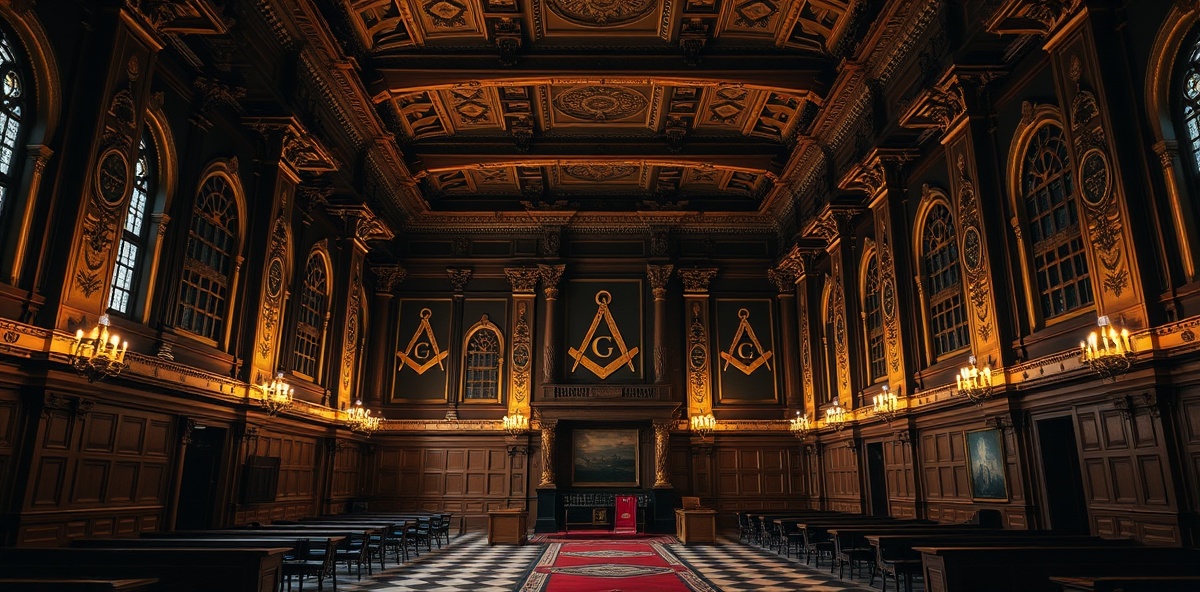
The Founding Era: 1717-1750s
The establishment of the Grand Lodge of England in 1717 marked the beginning of modern Freemasonry.
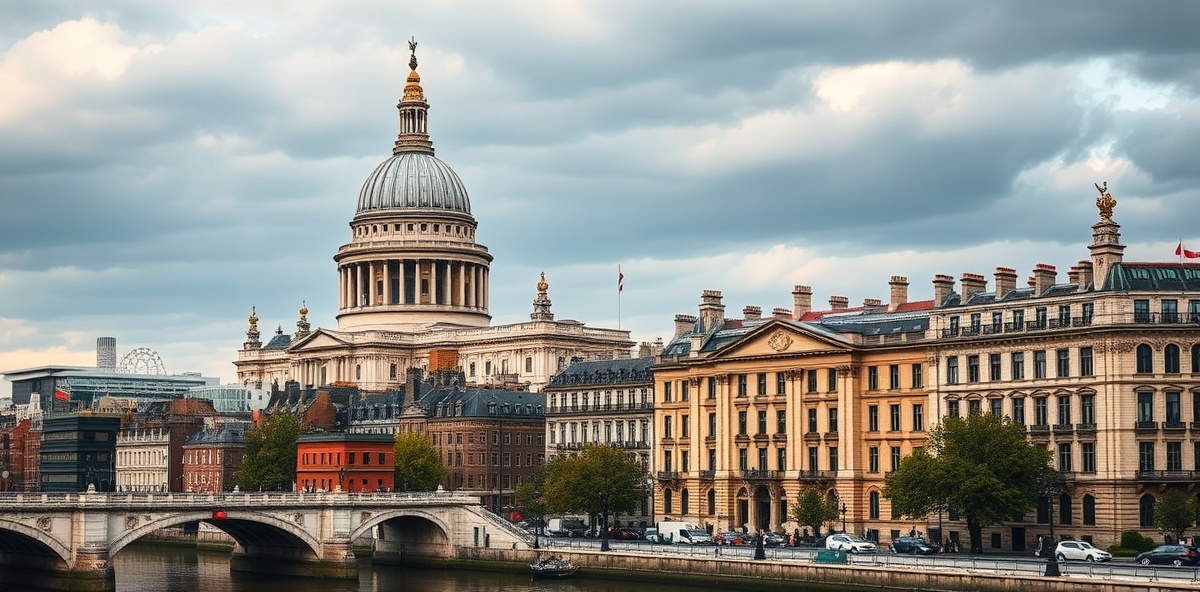
The Transition from Operative to Speculative Masonry
In 1717, four lodges meeting in London—the Goose and Gridiron, the Crown, the Apple Tree, and the Rummer and Grapes—formally united to establish the Grand Lodge of England. This organization transformed Freemasonry from a craft of operative stonemasons into a speculative fraternity centered on philosophical principles, moral development, and fellowship. The transition was revolutionary: membership was no longer limited to those engaged in the masonry trade but opened to men of all professions who sought enlightenment and brotherhood.
Under the leadership of Grand Masters like Anthony Sayer and Jean Theophile Desaguliers, the Grand Lodge established formal structure, defined ritual practices, and created a system of governance that became the model for Freemasonry worldwide. The establishment of a Grand Lodge provided organization, legitimacy, and unity to an organization that had previously existed as scattered, autonomous lodges.
Early Masonic Constitutions and Regulations
In 1723, the Grand Lodge of England published the Constitutions of the Freemasons, compiled by Rev. James Anderson. These constitutions became the foundation of Masonic law and governance, establishing principles that remain central to Freemasonry today. The constitutions outlined membership qualifications, lodge procedures, ritual standards, and ethical obligations that gave structure and coherence to the fraternity.
The constitutions emphasized that Freemasonry transcended religious and political divisions, welcoming men of all faiths and professions united by shared values of morality, brotherhood, and enlightenment. This inclusive approach, combined with rigorous ritual and philosophical teaching, made Freemasonry attractive to educated men throughout England and beyond.
Early Expansion Across Britain
During the 1720s and 1730s, the Grand Lodge of England rapidly established its authority over Masonic practice throughout England, Scotland, and Wales. The Grand Lodge worked to standardize ritual practices, establish uniform degrees, and create hierarchical governance structures. By the middle of the 18th century, the Grand Lodge of England had established itself as the preeminent Masonic authority in the British Isles and had begun exporting its practices and principles to colonies and distant lands through emigrating members and deliberate organizational efforts.
Global Expansion and Influence: 1750s-1900s
The Grand Lodge of England's principles spread throughout the world, establishing Freemasonry as a global fraternity.
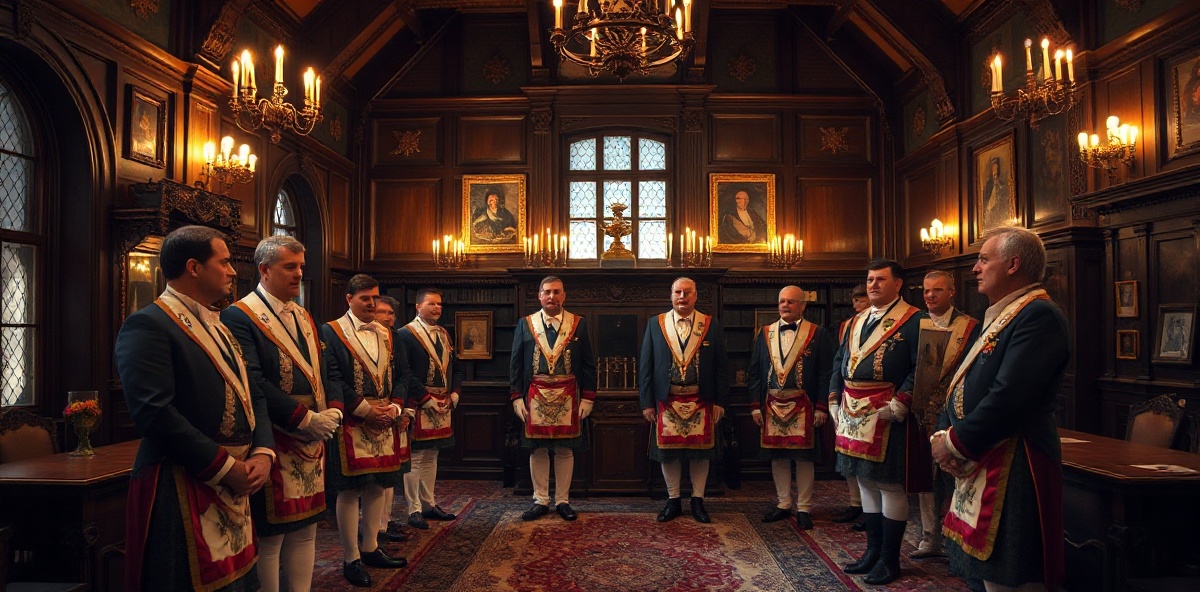
Colonial Masonry and American Independence
British colonists carried English Freemasonry to America, establishing lodges throughout the thirteen colonies under the authority of the Grand Lodge of England. Many of America's founding fathers, including George Washington, Benjamin Franklin, and Paul Revere, were Masons who drew inspiration from English Masonic principles of liberty and enlightenment. The Grand Lodge of England's emphasis on universal values and rational governance resonated deeply with revolutionary ideals, influencing the Declaration of Independence and the U.S. Constitution.
After American independence, American lodges established their own Grand Lodges, but they maintained the ritual traditions, governance structures, and philosophical principles established by the Grand Lodge of England. This continuity ensured that American Freemasonry remained part of a global fraternal network even as it developed its own identity.
The Rise of Multiple Grand Lodges
The success of the Grand Lodge of England led to the establishment of similar Grand Lodge organizations throughout the world. Grand Lodges were established in Scotland (1736), Ireland (1725), France, Germany, and eventually in every nation and territory where Freemasonry took root. While each Grand Lodge developed its own distinct characteristics and practices, all were founded on the fundamental principles, ritual structure, and governance models established by the English Grand Lodge.
The creation of multiple Grand Lodges created both opportunities and challenges. The Grand Lodge of England worked to maintain recognition, fraternal relations, and ritual consistency across the various jurisdictions. The establishment of the concept of "regularity" and "recognition" between Grand Lodges became central to Masonic governance and continues to be important today.
UGLE's Charitable Work and Social Impact
Throughout its history, the United Grand Lodge of England has been deeply committed to charitable work and social improvement. UGLE established hospitals, schools, homes for the elderly, and orphanages. The Royal Masonic Trust for Girls and Boys, established through UGLE's charitable work, became one of the world's major charitable organizations providing educational opportunities to thousands. This tradition of using Masonic resources and brotherhood to improve society became a defining characteristic of English Freemasonry and was replicated by Masonic organizations worldwide. The principle that Freemasonry's ultimate purpose is to improve society through member philanthropy and community service originated in and was reinforced by UGLE's example.
The Modern Era: 1900s-Present
UGLE adapts to contemporary challenges while maintaining its historical mission and principles.
World Wars and Leadership
The twentieth century presented unprecedented challenges to UGLE and world Freemasonry. During both World Wars, the United Grand Lodge of England continued to function and served as a unifying force for the British nation and its allies. Freemasonry's emphasis on universal brotherhood transcended national boundaries, with British Masons maintaining fraternal relations with Masons in allied nations. UGLE's leadership during wartime demonstrated the resilience and relevance of Masonic principles during periods of profound crisis.
In the post-war period, UGLE played a crucial role in rebuilding the international Masonic community and re-establishing recognition and fraternal relations among Grand Lodges that had been separated by war. The Grand Lodge of England's historical prominence and moral authority made it a natural leader in this reconstruction effort.
Contemporary UGLE Leadership and Vision
In the modern era, the United Grand Lodge of England continues to adapt to contemporary society while maintaining its historical mission. UGLE has embraced technological advances, established educational programs, and worked to address issues of diversity and inclusion within Freemasonry. The organization remains committed to the three pillars of Freemasonry: Brotherly Love, Relief, and Truth.
UGLE's charitable work continues to impact thousands of lives through the Masonic Charitable Foundation, which supports education, health, and social welfare initiatives. The Grand Lodge remains engaged with contemporary society, demonstrating that ancient principles of fellowship, moral development, and community service remain vital in the modern world.
UGLE's Role in Global Freemasonry
As the oldest surviving Grand Lodge in the world, UGLE holds a unique position in global Freemasonry. The organization serves as the guardian of Masonic tradition, the arbiter of recognition between Grand Lodges, and a model for Masonic excellence. UGLE's authority is based not on political power but on the universal respect granted by the global Masonic community due to its historical role in establishing the principles and practices that define modern Freemasonry. Today, UGLE oversees hundreds of lodges throughout England, Wales, and the Channel Islands, and maintains fraternal relations with Grand Lodges in over 150 countries. The United Grand Lodge of England remains the foundation upon which the global Masonic fraternity stands.
Frequently Asked Questions
Learn more about the United Grand Lodge of England with answers to common questions.